By Seun Ibiyemi
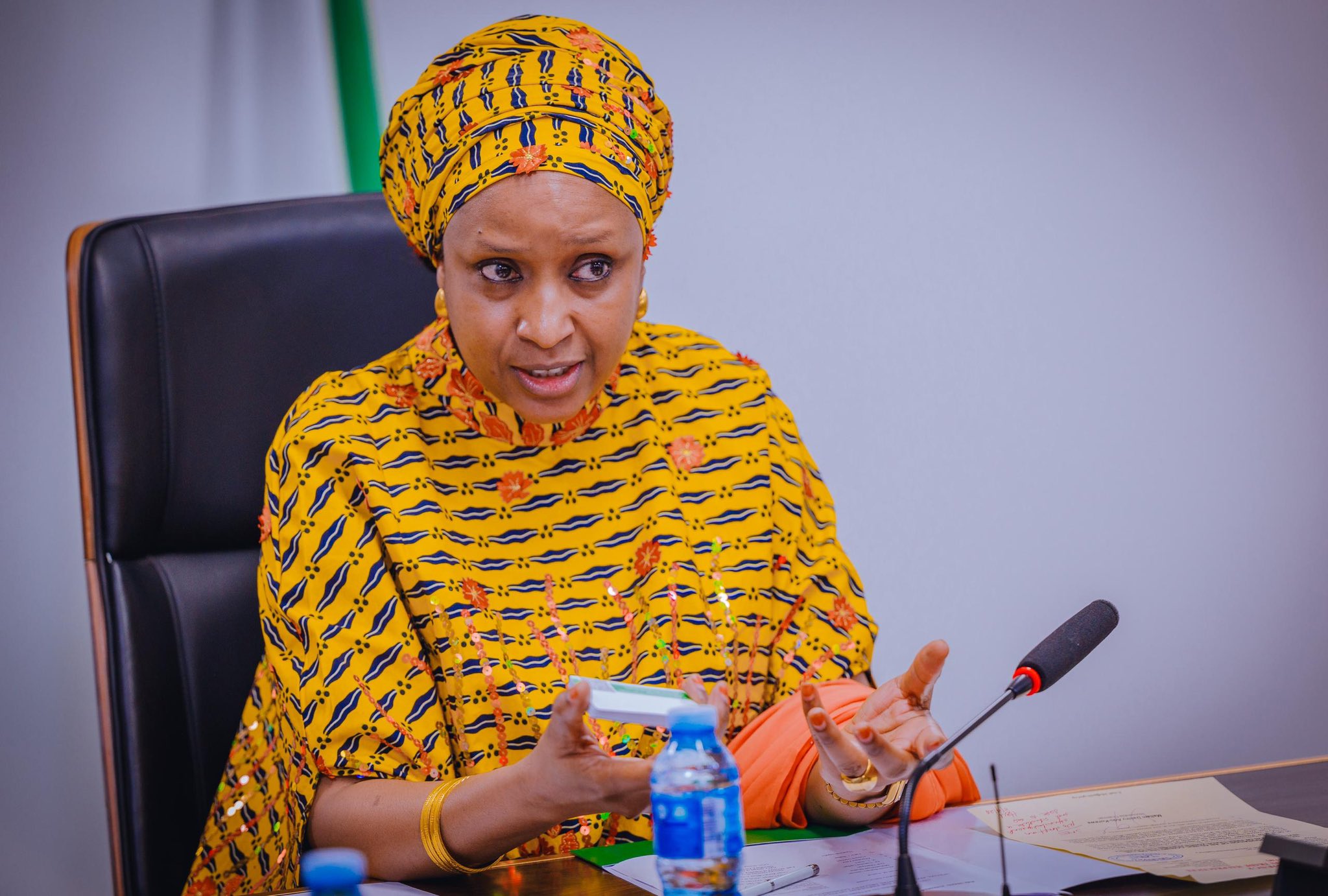
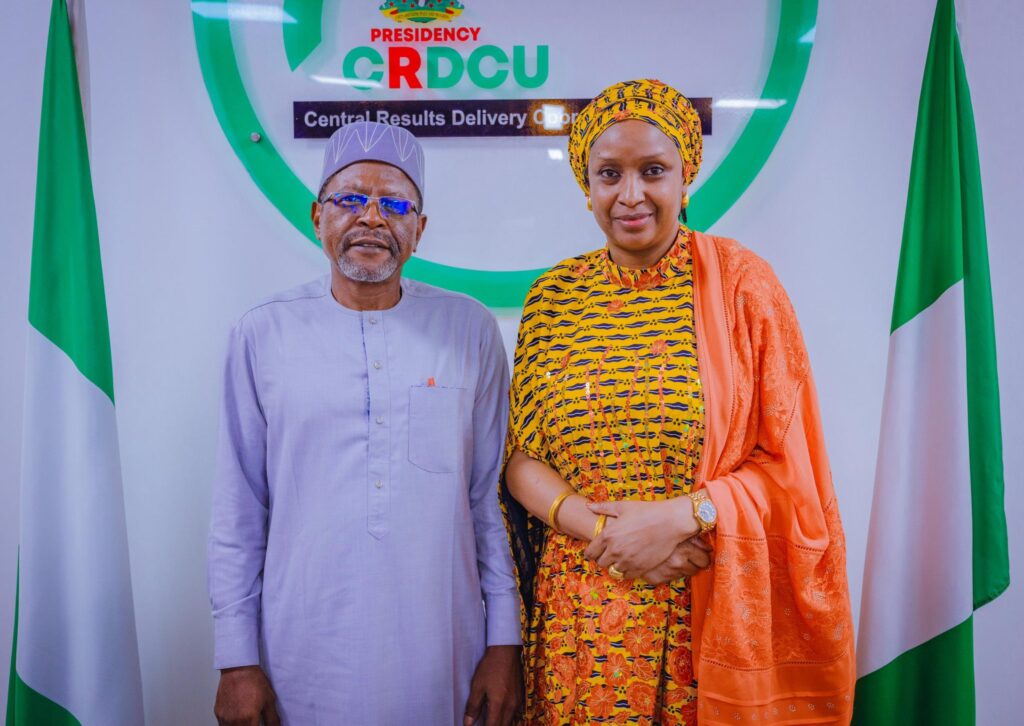
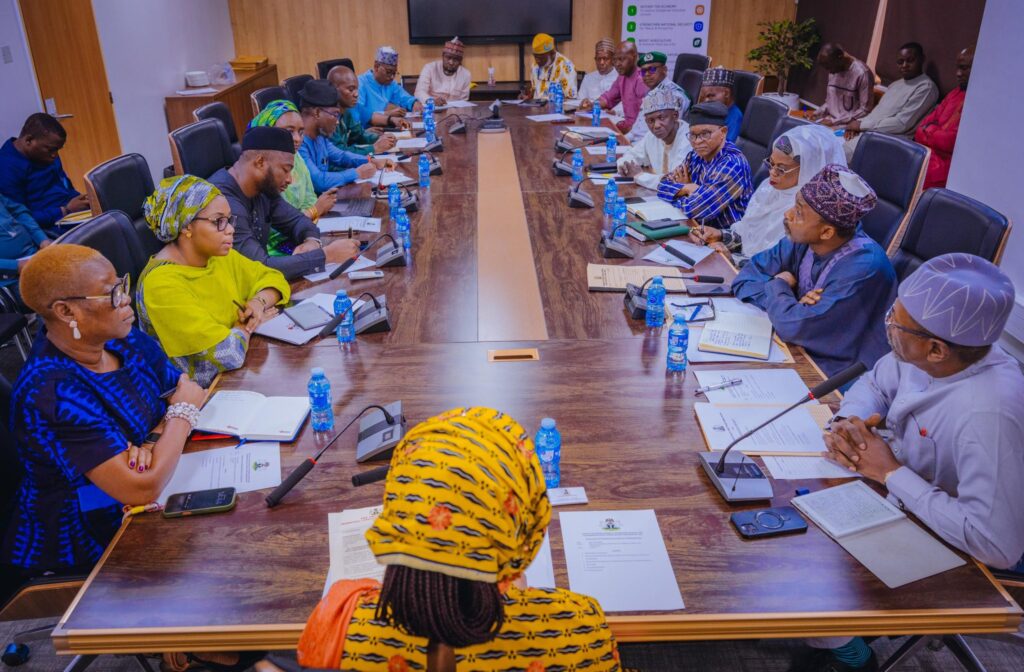
The Special Adviser to the President on Policy and Coordination, Hadiza Bala Usman, on Monday convened a high-level meeting with the Presidential Committee on Trade Malpractices (PCTM) to review Nigeria’s trade ecosystem, with a focus on Free Trade Zones.
The meeting, led by the Committee’s Chairman, Dahiru-Ado Kurawa, provided a platform for deliberations on the structure and operations of Free Trade Zones and their alignment with national economic objectives.
In her opening remarks, Usman emphasised the need for trust, policy coherence, and sustained collaboration across government institutions.
She noted that the committee’s ongoing review of Free Trade Zone activities was critical to ensuring that policy frameworks remain effective and responsive across Ministries, Departments, and Agencies.
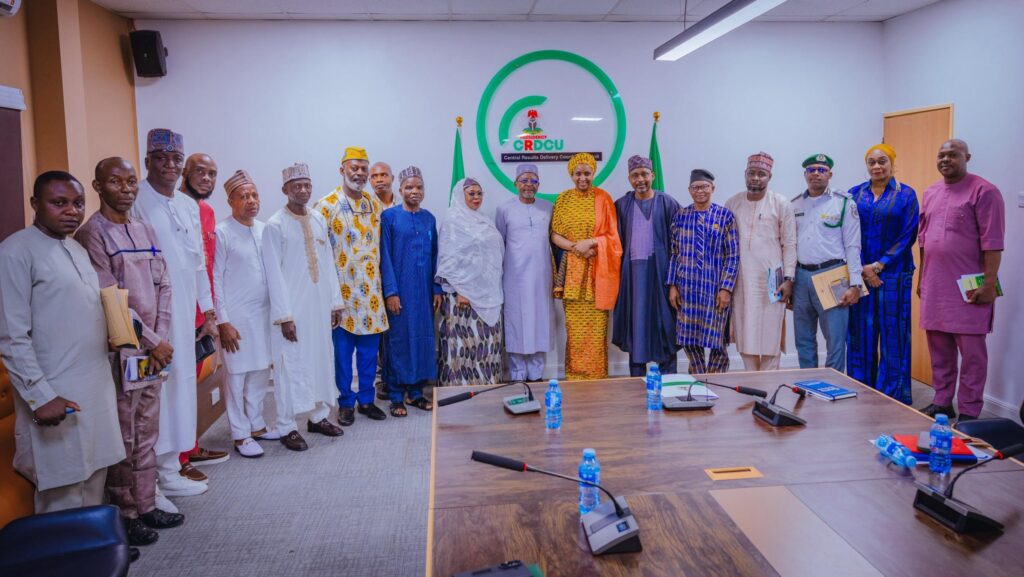
Members of the committee shared insights from their ongoing work, highlighting concerns over the operational models of companies within Free Trade Zones, particularly those under the Nigeria Export Processing Zones Authority.
The discussions also drew comparisons with global best practices, including industrial clustering models in China, with participants exploring how such strategies could be adapted to strengthen Nigeria’s domestic economy.
Attention was further given to balancing incentives offered within Free Trade Zones with the need to protect local manufacturers from unfair competition.
A major issue raised was the longstanding disagreement between the Manufacturers Association of Nigeria and NEPZA, particularly regarding the movement of goods from Free Trade Zones into the domestic market.
The committee referenced previous policy measures aimed at regulating such inflows, noting that reforms must be carefully implemented to avoid unintended disruptions.
Read Also:WAHO convenes Liaison officers in Freetown to set 2026 regional health priorities
Participants acknowledged that while addressing these issues may be complex, the reforms are both necessary and urgent to ensure a fair and competitive trade environment.
In her closing remarks, Usman reaffirmed her office’s commitment to strengthening regulatory oversight, enhancing inter-agency coordination, and advancing policies that promote fair competition while safeguarding Nigeria’s economic interests.
The meeting ended with a renewed commitment by stakeholders to sustain collaboration in addressing trade malpractices and ensuring that Nigeria’s trade framework supports inclusive and sustainable economic growth