By Seun Ibiyemi
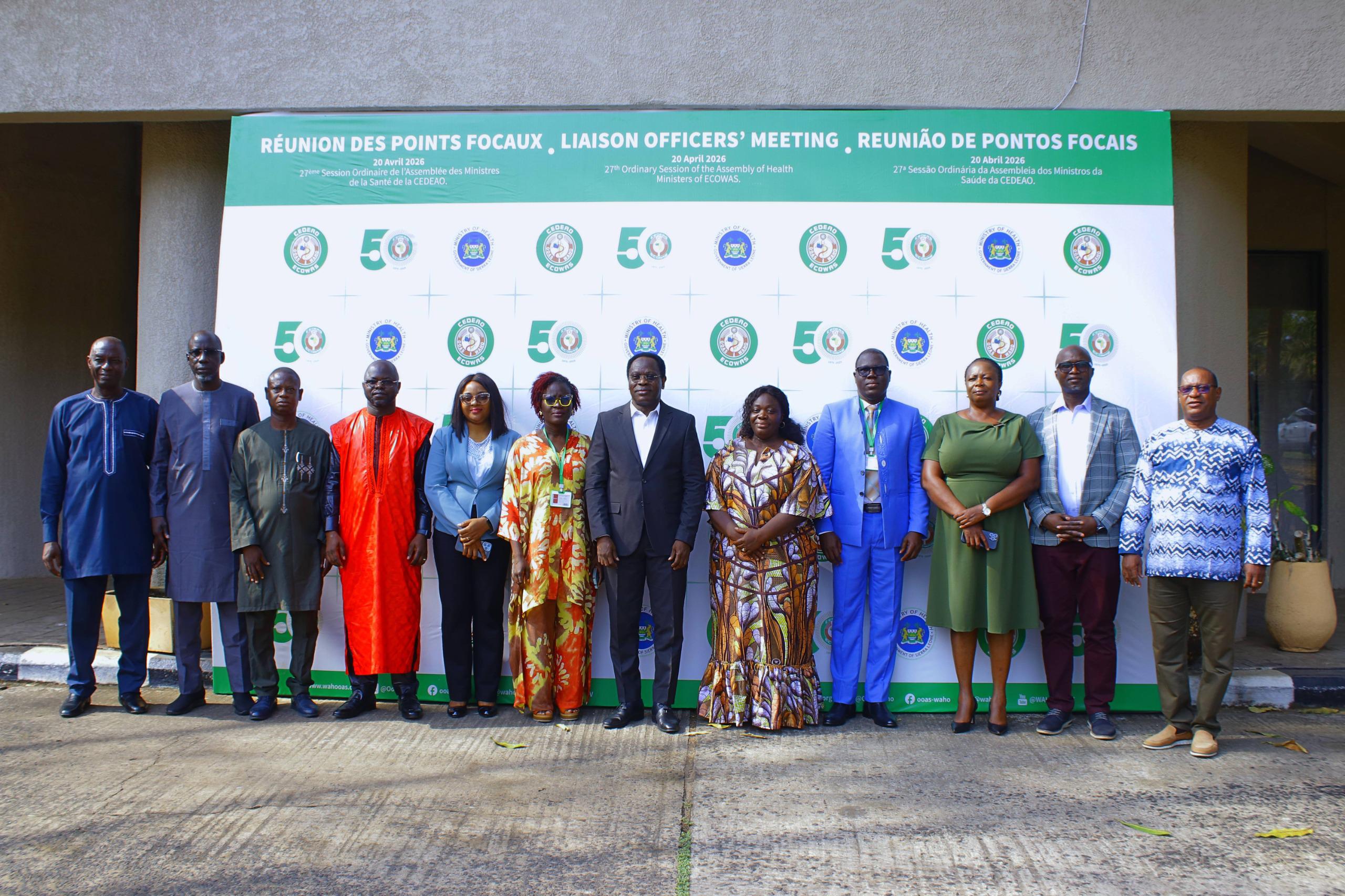
The West African Health Organisation (WAHO) on Monday convened its Liaison Officers in Freetown, Sierra Leone, as part of activities marking the 27th Ordinary Session of the Assembly of Health Ministers of the Economic Community of West African States.
The meeting, which is the first in a series of statutory engagements for the Assembly, brings together WAHO Liaison Officers—senior officials from Ministries of Health across ECOWAS Member States—and WAHO Programme Officers.
Participants are expected to assess progress made in 2025, share country experiences, and define strategic priorities for 2026, with the aim of strengthening coordination of public health interventions across the region.
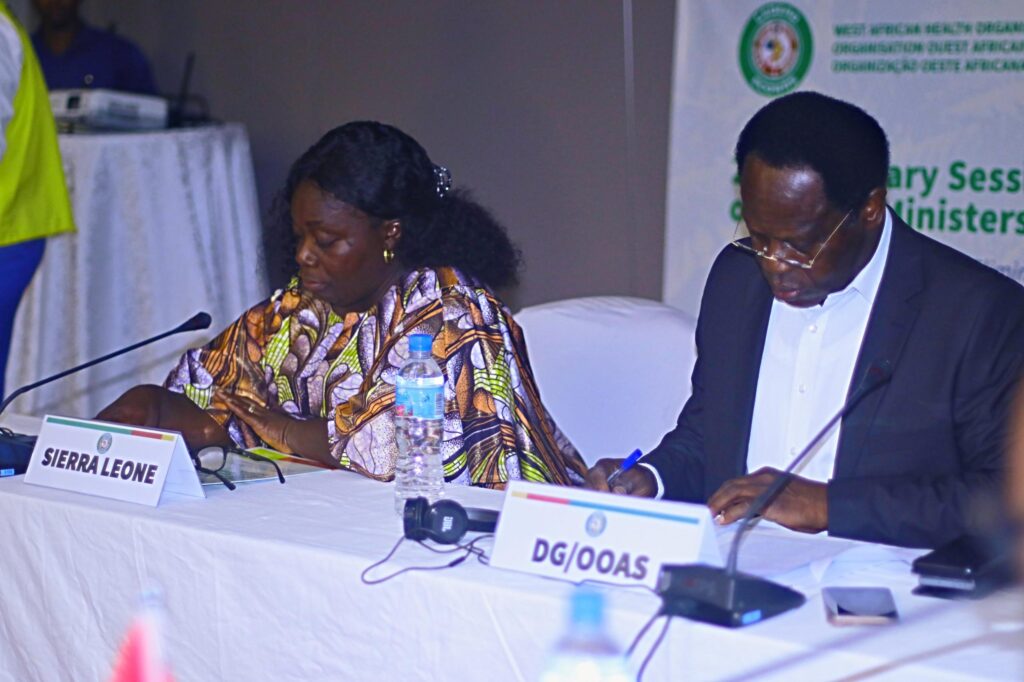
WAHO Liaison Officers play a critical role in implementing the organisation’s activities at the national level by coordinating with Ministries of Health and monitoring the execution of regional decisions.
In her welcome address, the Chairperson of WAHO Liaison Officers, Magdalene Harding, commended members for their dedication and emphasised the importance of open dialogue, regional solidarity, and sustained collaboration in tackling public health challenges in West Africa.
Speaking at the meeting, the Director General of WAHO, Melchior Athanase J. C. Aïssi, acknowledged progress made in the region but highlighted persistent structural challenges.
These include inequalities in access to essential health interventions, limited sustainable financing, and emerging threats such as treatment resistance.
He called for a more coordinated and integrated regional approach, stressing the need for harmonised policies, strengthened epidemiological surveillance, improved data sharing, and enhanced cross-border collaboration.
Aïssi also praised Liaison Officers for their contributions in 2025, particularly in finalising key strategic documents for community health and supporting the rollout of the regional community health policy and its implementation guidelines.
Read Also:Police launch investigation as three die in hotel in stampede
He noted the strong connection between the theme of this year’s Assembly and the effective implementation of the regional community health policy, adding that malaria elimination efforts must be intensified at community and household levels.
The Director General urged the officers to remain innovative and fully engaged in supporting national health systems to align with regional policies, with a view to reducing morbidity and mortality from malaria and other diseases.
The meeting is expected to review the implementation status of 2025 recommendations, present annual country reports, and outline joint priorities and actions for 2026 across the ECOWAS region.