By Seun Ibiyemi
The Nigerian Midstream and Downstream Petroleum Regulatory Authority (NMDPRA) has uncovered an illegal refinery operating on more than three hectares of land in Ogere Remo, Ikenne Local Government Area of Ogun State, with an underground storage tank estimated to have a capacity of over 90,000 litres.
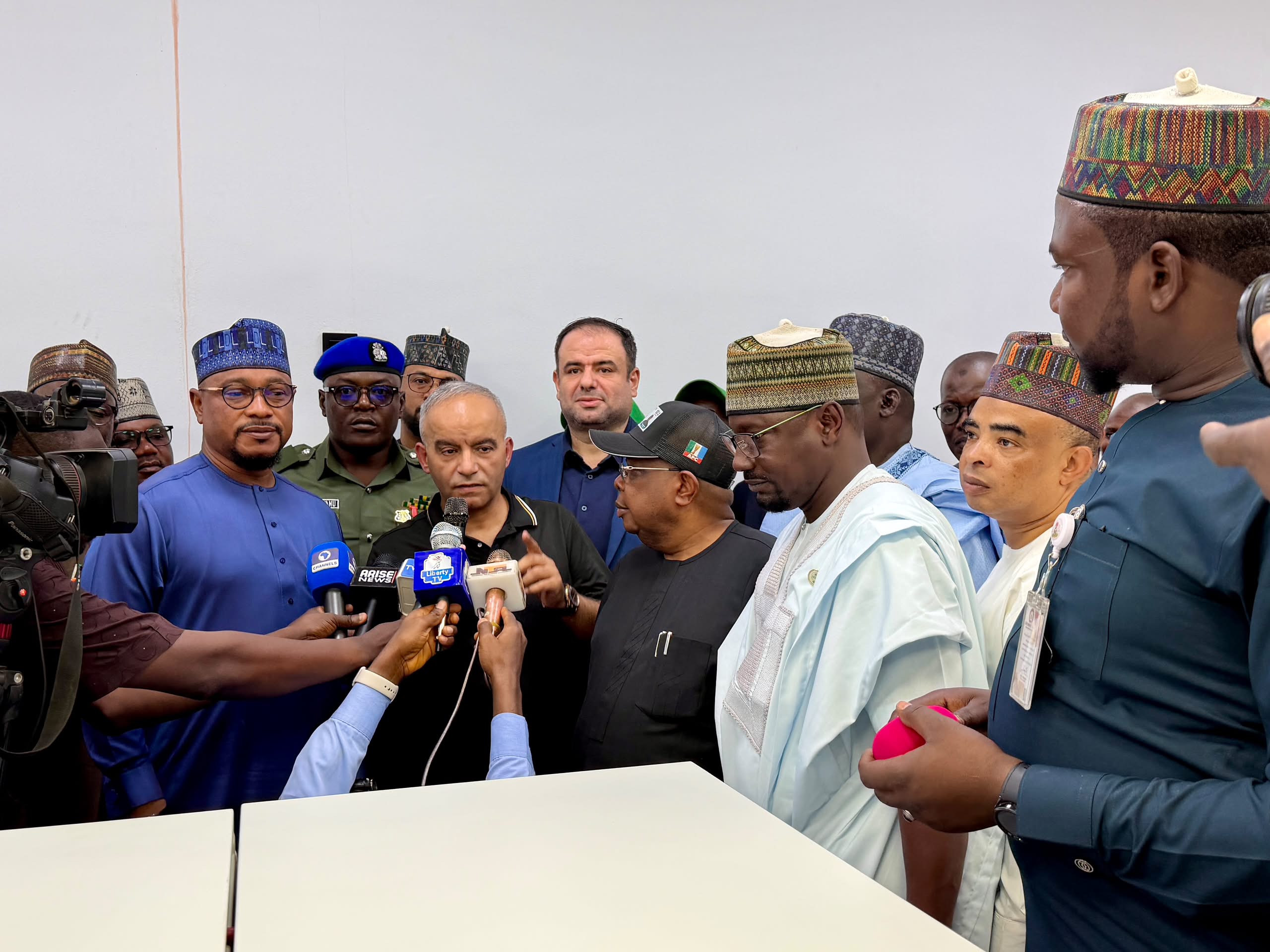
The discovery was made during a joint inspection by officials of the NMDPRA and the Economic and Financial Crimes Commission (EFCC), following intelligence gathering and surveillance.
The State Coordinator of NMDPRA, Dr Atilola Akinyemi, disclosed this on Wednesday, describing the facility as a crude and completely illegal operation that had no approval from any regulatory authority.
Akinyemi said the discovery underscored the importance of intelligence gathering and collaboration among regulatory and law enforcement agencies in tackling illegal petroleum activities.
He explained that the facility contained underground storage tanks, locally fabricated tanks, separation silos, underground heating systems and hydrants installed for cooling purposes.
According to him, the operators appeared to possess technical knowledge and had deliberately designed the facility to replicate the operations of a standard refinery while circumventing established government regulations.
“This is not a refinery by any standard. This facility does not have a permit from any regulatory authority, and its operations are unknown to the relevant authorities,” he said.
The NMDPRA coordinator likened the operation to illegal refining activities that were prevalent in the Niger Delta during the 1990s and early 2000s, questioning the source of the feedstock used by the operators.
He, however, cautioned against identifying the recovered petroleum products as diesel, also known as Automotive Gas Oil, AGO, before laboratory tests establish their actual composition.
Akinyemi warned that releasing unverified products into the market could pose serious risks to vehicles and automobile engines.
He added that all products and materials recovered from the facility had been confiscated and placed under the authority of the Federal Government pending laboratory analysis and verification.
The coordinator assured that the authority would not tolerate illegal refining activities in Ogun State, promising continued collaboration with security agencies to identify and dismantle similar operations.
Meanwhile, the EFCC Zonal Director, Lagos Zonal Directorate 2, Bawa Usman Kaltungo, said the commission uncovered the facility through information supplied by a Nigerian whistleblower.
Kaltungo explained that the commission first conducted surveillance to authenticate the information before launching a sting operation that led to the discovery.
He said the intelligence followed an appeal by the EFCC Executive Chairman, who had encouraged Nigerians to report suspicious activities under the commission’s whistleblowing policy.
According to him, the whistleblower initially provided information about an illegal mining site, prompting the commission to investigate and subsequently uncover the operation.
He disclosed that the EFCC was close to discovering another location linked to similar activities.
The EFCC director also raised concerns over the immigration status of some foreign nationals arrested in connection with the operation.
He said some of the suspects could not produce their passports, while others were allegedly found with visas that had expired about three months earlier.
Kaltungo added that investigations were ongoing into the ownership structure of companies allegedly connected to the operation, noting that some of the ultimate beneficial owners were based in China.
Also speaking, the Director of the Department of Proceeds of Crime Management at the EFCC, Gbolahan Latona, warned that illegal petroleum operations could undermine legitimate investments in Nigeria’s refining industry and deprive the government of revenue.
Latona said the commission would ensure that assets established to be proceeds of crime were recovered and put to productive use in accordance with the law.
He cited the conversion of Nok University, following its forfeiture to the government, into the Federal University of Applied Sciences, Kachia, as an example of the commission’s asset recovery and social reuse initiative.
According to him, the newly discovered facility could also be considered for recovery and productive reuse, subject to the outcome of investigations and the necessary legal processes.
He warned that illegal operators must not be allowed to undermine investments by legitimate players in the petroleum industry, particularly major domestic refining projects.
Latona assured that the suspects would be prosecuted if sufficient evidence was established against them, adding that the commission would investigate individuals and interests allegedly financing the operation from outside Nigeria.