
By Seun Ibiyemi
Electricity supply across Nigeria has remained unstable, with industry operators blaming the situation on persistent gas shortages and unresolved payment issues within the power sector.
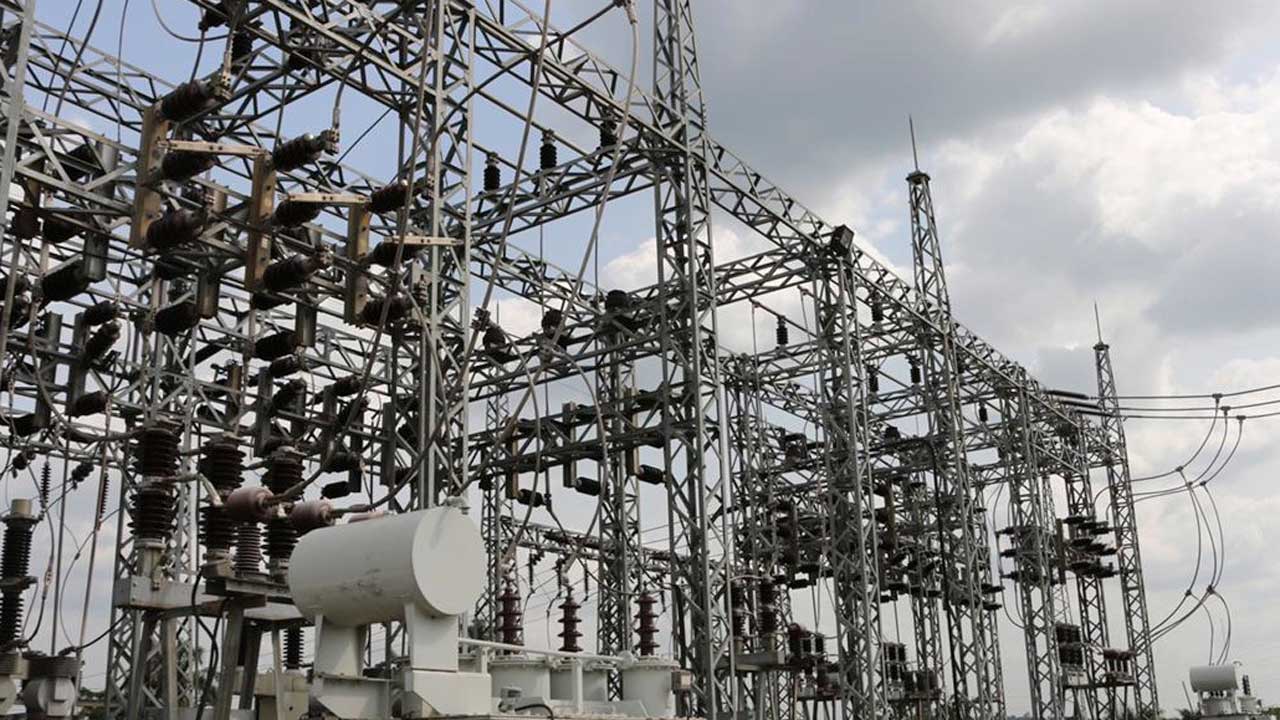
Power generation companies (GenCos) said inadequate gas supply has significantly reduced their ability to generate electricity, resulting in frequent outages and load shedding across many parts of the country.
Sector sources noted that Nigeria’s power plants rely heavily on gas-fired turbines, making gas availability critical to stable electricity.
Thermal plants account for over 70 per cent and in some periods more than 80 per cent of total electricity generation.
However, constraints in gas production, pipeline vandalism, and financial challenges have disrupted steady supply to generation companies.
Read also:Osun 2026: Oyebamiji greets Muslims at Eid
A GenCo executive, who spoke on condition of anonymity, attributed the dispute between GenCos and gas suppliers primarily to payment issues.
“Payment,” he said when asked about the root of the disagreement, explaining that outstanding debts are forcing suppliers to cut back on gas deliveries.
He added that a significant portion of GenCos’ revenue goes directly to gas suppliers.
“For every N100 invoiced by a thermal GenCo, between N60 and N70 goes directly to gas suppliers,” he said.
The executive also highlighted inefficiencies within the system, noting that grid instability leads to gas losses.
“The grid is not stable. Up and down — that consumes about 15 to 25 per cent gas that nobody is paying for but must be paid by the GenCos,” he explained.
He further pointed to foreign exchange challenges, stating that gas is priced in dollars while GenCos earn in naira, creating losses due to exchange rate disparities.
“Gas is priced in dollars, but we pay in naira. The difference between the CBN rate and the black market rate is our loss,” he added.
The Association of Power Generation Companies (APGC), in an earlier statement by its Chief Executive Officer, Joy Ogaji, also dismissed claims that N2.8 trillion represents a settled backlog of legacy debts, underscoring ongoing financial concerns in the sector.
Data from the Nigerian Independent System Operator shows that power generation dropped below 4,000 megawatts in recent weeks, largely due to gas constraints affecting thermal plants, making reliable electricity supply difficult across their franchise areas.
Meanwhile, the Minister of Power, Adebayo Adelabu, has assured Nigerians that electricity supply will improve as the Federal Government intensifies efforts to address gas shortages.
Adelabu made the assurance in his message marking Eid-el-Fitr, stating that recent government interventions are beginning to ease supply constraints.
“Concrete measures are being implemented to ensure more reliable and sustainable electricity for homes, businesses, and industries.
The reforms initiated by President Bola Tinubu are beginning to take root, and Nigerians will soon witness the full benefits,” he said.
The minister expressed optimism that ongoing reforms would soon translate into noticeable improvements, stressing that resolving gas supply issues remains central to stabilising the power sector.
Despite the assurances, consumers across various supply bands continue to decry erratic electricity, worsened by rising fuel prices and extreme heat.
Adelabu, however, urged patience, describing current challenges as part of a transition toward a more sustainable and efficient power system.
“The challenges we face today are, without doubt, the building blocks of a more prosperous tomorrow,” he said.
He also called on Nigerians to sustain the discipline and sacrifice cultivated during Ramadan, while noting that ongoing engagements by the president, including recent meetings in the United Kingdom, are expected to attract investment into critical sectors such as power.
Adelabu reaffirmed the government’s commitment to delivering stable electricity, expressing confidence that sustained reforms will yield lasting improvements in power supply.