
By Seun Ibiyemi
Industry experts in Nigeria’s energy sector have called on the Federal Government to prioritise bold privatisation over bureaucratic committees as the only sustainable solution to the country’s chronic power challenges and broader economic stagnation.
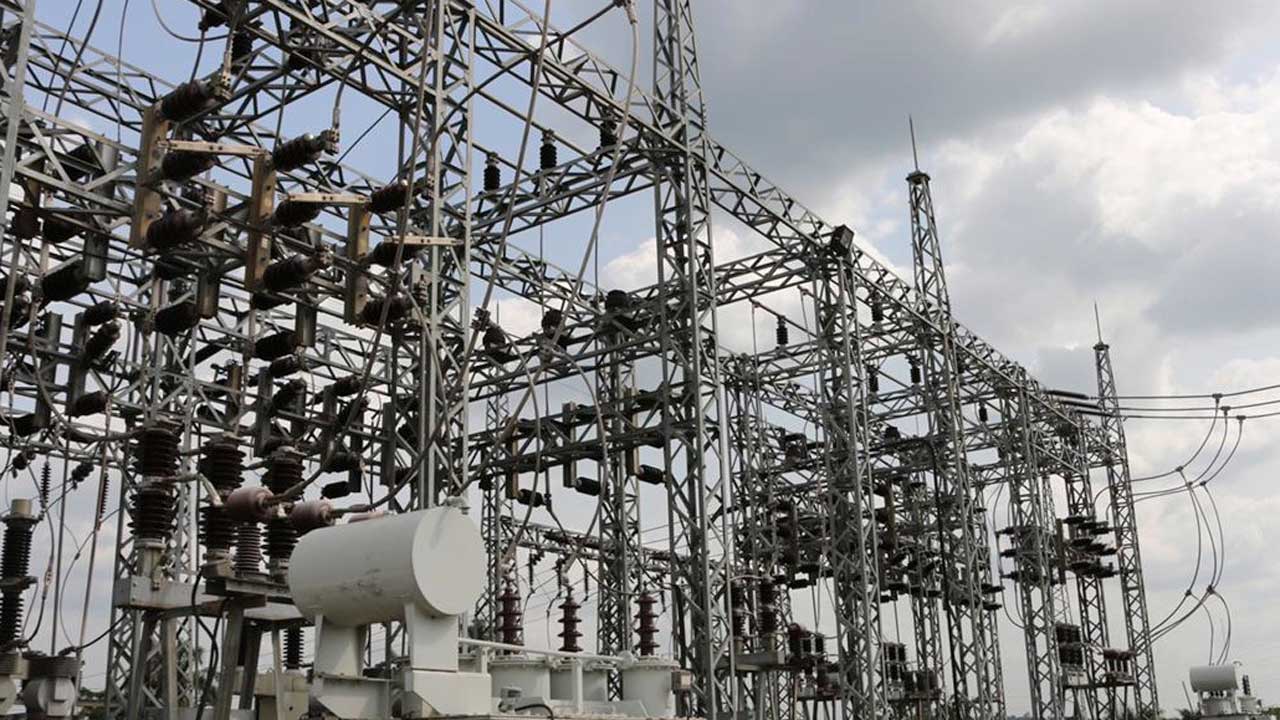
In an interview with BusinessPointer, Engineer Eleojo Joseph stressed that while the generation and distribution segments of Nigeria’s power sector have been privatised, the transmission network remains under government control.
He argued that this arrangement has hampered efficiency, limited infrastructure development, and contributed to persistent power shortages.
Read also:Epileptic power: Tinubu moves to establish Grid Asset Management Company
“Generation and distribution have been privatised, but the transmission arm is still in the hands of the Federal Government,” Joseph said.
He noted that government management of the transmission network, operated by the Transmission Company of Nigeria (TCN), suffers from corruption and lacks the technical, technological, and financial capacity needed to modernise the national grid.
Joseph added that private-sector participation in transmission could unlock investment, accelerate infrastructure upgrades, and improve electricity delivery across the country.
Analysts have consistently identified transmission bottlenecks as a major constraint in Nigeria’s electricity supply chain, often preventing generated power from reaching consumers.
Energy expert Nick Agule also weighed in following the inauguration of the Grid Asset Management Company (GAMCO) incorporation committee by President Bola Tinubu.
GAMCO was established to manage national grid assets, improve transmission efficiency, and unlock stranded power, with an 11-member committee drawn from senior officials across government agencies and TCN.
While acknowledging GAMCO’s potential, Agule said the initiative does not address the core issue.
“The dominant constraint in the power sector is not operational inefficiency; it is capital inadequacy,” he explained, adding that government ownership has historically limited investment capacity.
Agule called for transferring operational control of TCN and potentially other key utilities to financially robust and technically competent private operators.
“What matters is operational control, investment capacity, and performance accountability, not the ownership label,” he said.
He further argued that privatisation in other sectors, including the national oil company (NNPCL), steel plants like Ajaokuta, and railways, could drive industrial growth and economic development.
Citing the telecoms sector and Dangote refinery as examples, Agule stressed that private-sector-led development consistently outperforms government-run initiatives.
“Nigeria does not lack committees, agencies, or special-purpose vehicles; it lacks the capital, discipline, and private-sector dynamism required to build and operate modern infrastructure at scale,” Agule concluded, warning that without decisive privatisation, chronic power deficits, rising tariffs, and systemic instability will continue to hinder the nation’s growth.