
By Seun Ibiyemi
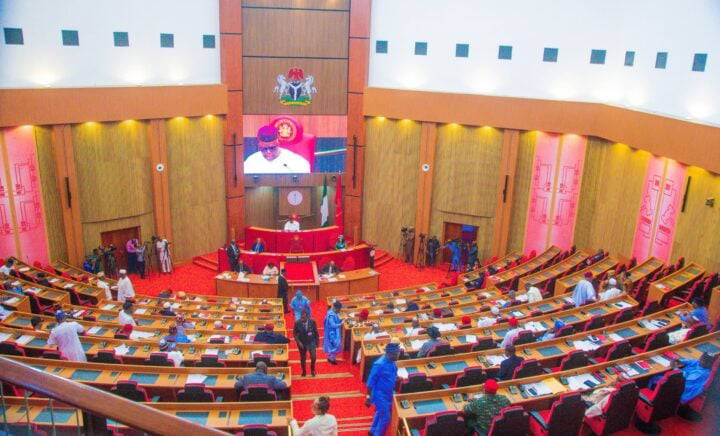
The Nigerian Senate has approved the N68.3 trillion Appropriation Bill for the 2026 fiscal year, marking a significant step in the country’s budgetary process aimed at strengthening economic stability and development.
The approval followed the consideration and adoption of the report of the Senate Committee on Appropriations during Tuesday’s plenary session. The report was presented by the committee’s chairman, Olamilekan Adeola.
Adeola recalled that Bola Tinubu had presented the 2026 budget proposal before a joint session of the National Assembly on Dec. 19, 2025.
He said the budget, themed “Budget of Consolidation, Renewed Resilience and Shared Prosperity,” underscores the Federal Government’s commitment to sustaining macroeconomic stability.
A breakdown of the approved budget shows that N4.7 trillion is allocated for statutory transfers, N15.8 trillion for debt servicing, and N15 trillion for recurrent (non-debt) expenditure.
Additionally, N32 trillion is earmarked for capital expenditure through the development fund.
Adeola stressed the need to address bureaucratic bottlenecks that affected timely fund releases in the 2025 fiscal year, urging closer collaboration between the legislature and the executive to ensure effective implementation of the 2026 budget.
He also noted that the capital expenditure component reflects the administration’s strong focus on infrastructure development, while the substantial allocation for debt servicing highlights ongoing fiscal pressures.
The lawmaker further disclosed that the budget includes adjustments requested by the president, such as N5.71 trillion in legacy capital obligations carried over from 2025 and N2 trillion designated for priority projects across key sectors.
In his remarks, Senate President, Godswill Akpabio, commended the appropriation committee for its dedication to the legislative process.
Read also:NAFDAC raises alarm over fake cerelac in Lagos, warns of health risks to infants
Akpabio expressed optimism that with approved loans and expected revenue from tax reforms, the budget would be realistic and impactful.
He added that the coordinated efforts of the Senate and the House of Representatives ensured swift passage of the bill without the need for a conference committee.
The Senate President also expressed confidence that the budget would help drive national development and support the administration’s policy objectives, ultimately delivering economic benefits to Nigerians.