
Nigeria’s electricity sector remains one of the deepest scars on the nation’s development landscape, a chronic failure that blights households, cripples industries, and drains public finances.
Despite successive government promises and eye‑watering budget allocations, the power grid continues to sputter, leaving citizens and businesses to pay the price for something that ought to be basic public infrastructure.
In the 2026 federal budget, the government proposed a staggering N1.107 trillion for the power sector, with N1.096 trillion earmarked for capital projects under the Federal Ministry of Power dwarfing allocations to many other ministries and agencies.
Of this, the Ministry itself received roughly N416.748 billion, largely intended for grid expansion, rural electrification and related infrastructure.
Read also:Gas supply constraints drive Nigeria’s electricity generation down – NISO
Yet, this massive budgetary commitment has delivered minimal improvements in grid reliability.
Millions of Nigerians still endure prolonged blackouts, while businesses confront crippling generation costs, and public institutions regularly budget for generator fuel to keep lights on.
In 2026 alone, federal ministries and agencies planned to spend N92.9 billion on electricity and diesel, a symptom of the grid’s persistent failure to supply dependable power.
For all the reported capital allocations, the national grid’s performance tells a different story: frequent collapses, inadequate transmission infrastructure, and rampant vandalism continue to undermine generation and evacuation of electricity across the country.
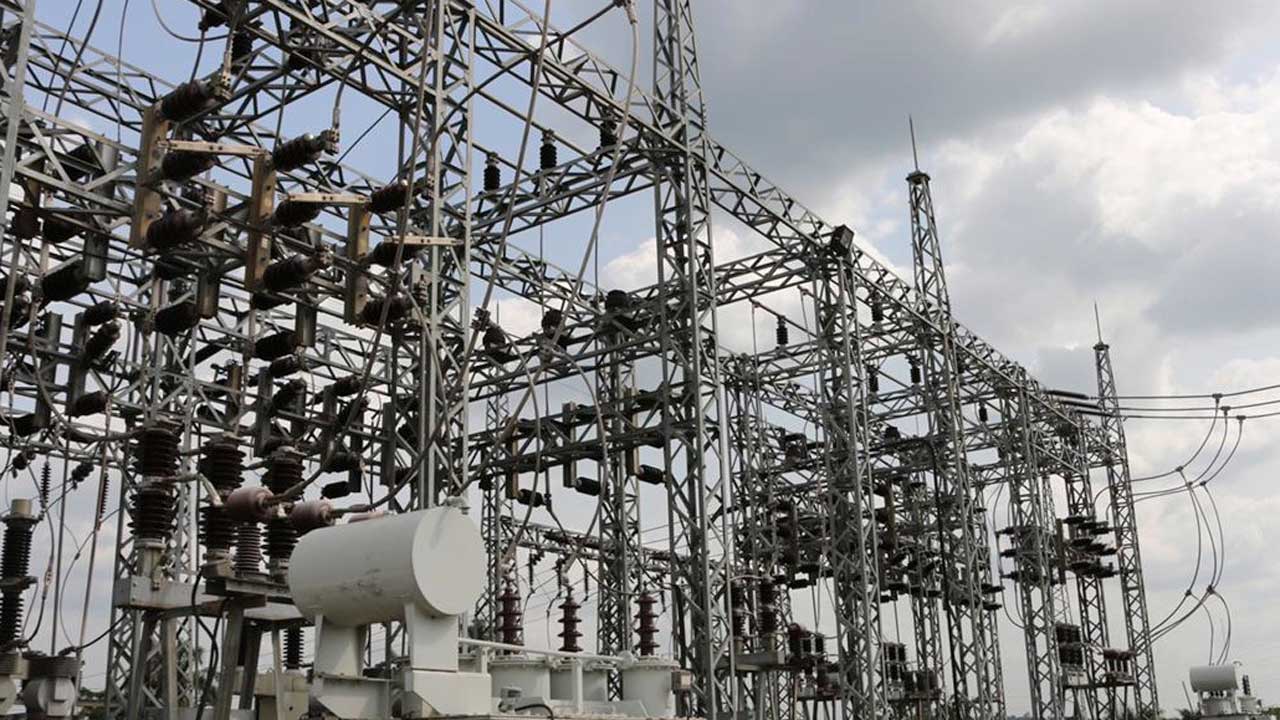
The needed upgrades to substations, transmission towers and distribution networks vital for any meaningful improvement have been slow, delayed or only partially implemented despite projected investments.
Critics argue that budget figures can be misleading if funds allocated to the sector do not translate into tangible results on the ground.
Observers note that major electrification projects often fall victim to bureaucratic inertia, procurement challenges, and poor oversight.
Even with a proposed trillion‑naira budget, lack of clear implementation frameworks means Nigeria’s grid remains unreliable, prompting continued reliance on expensive diesel generators, which further inflate business costs and contribute to pollution.
The human cost is immense. Ordinary Nigerians bear the burden of unstable power with limited recourse.
Small businesses operate at reduced capacity or shut down; hospitals struggle to maintain critical services without uninterrupted back‑up power; students lose precious study hours; and households redirect shrinking incomes toward alternative energy sources. In contrast to the resources poured into the sector, the lights flicker, if they come on at all.
Electricity is not a luxury, it is the lifeblood of a modern economy. But in Nigeria, the mismatch between budgetary allocation and service delivery is stark.
Whether through poor prioritisation, weak execution, or lack of accountability, the nation’s electricity infrastructure remains in crisis even as rhetoric and budget figures soar.
Until the Federal Government can convert budgetary commitment into operational effectiveness expanding generation capacity, strengthening transmission lines, and making the grid dependable Nigerians will continue to pay the high cost of power failure: in lost productivity, stunted growth, and dimmed hopes for a future powered by more than just generators and goodwill.
Nigeria’s power challenge demands not just larger numbers on paper, but real power flowing across its cities and villages. Without that, billions spent risk becoming little more than another political headline.