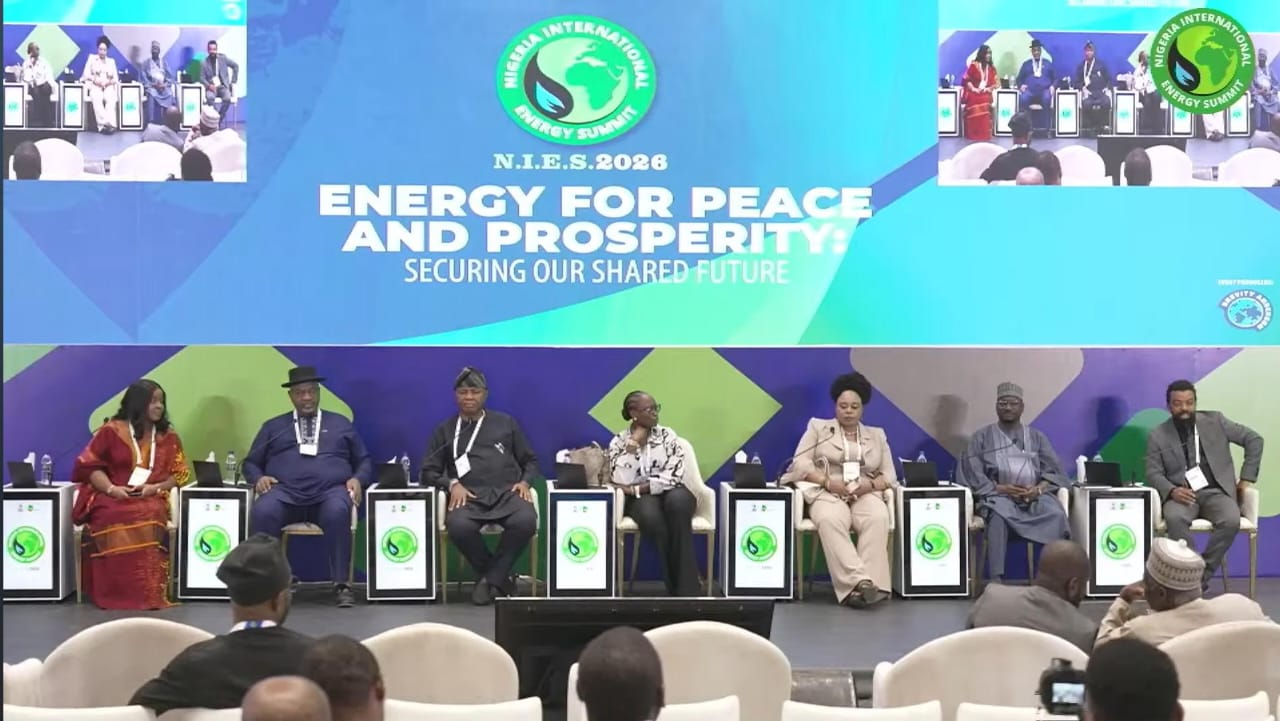
The Managing Director of the Rural Electrification Agency (REA), Abba Abubakar Aliyu, has described Nigeria’s electricity access programme as one of the most ambitious infrastructure projects currently underway globally.
Aliyu made the remark during a panel session at the Nigeria International Energy Summit (NIES) titled “Reliable, Sustainable & Inclusive Power for Africa’s Future,” where discussions underscored the scale and urgency of Nigeria’s electrification drive and the growing importance of mini-grids in enhancing national energy resilience.
He explained that the country’s electricity access initiative has evolved into one of the largest structured programmes worldwide, comparable in ambition and scope to leading international efforts such as India’s.
According to Aliyu, the REA has transitioned from policy design to large-scale implementation, with more than 1,000 mini-grids currently at various stages of development across the country, targeting electricity connections for over 17.5 million Nigerians.
The deployment strategy, he said, includes isolated mini-grids for entirely unserved communities as well as interconnected systems for underserved areas. These installations are supported by integrated battery storage to improve reliability and provide backup during grid disruptions.
Aliyu emphasized that mini-grids are increasingly being positioned as resilience infrastructure capable of powering economic clusters, social services, and other critical zones while reinforcing the broader national power ecosystem.
Highlighting progress in public institutions, the REA boss cited several flagship projects, including an 8-megawatt floating solar power project at the University of Lagos and hybrid energy projects at the University of Port Harcourt, University of Maiduguri, Obafemi Awolowo University, and Ahmadu Bello University.
He noted that the interventions are not only expanding electricity access but also boosting productivity, supporting education and healthcare delivery, and promoting institutional sustainability nationwide.