By Seun Ibiyemi
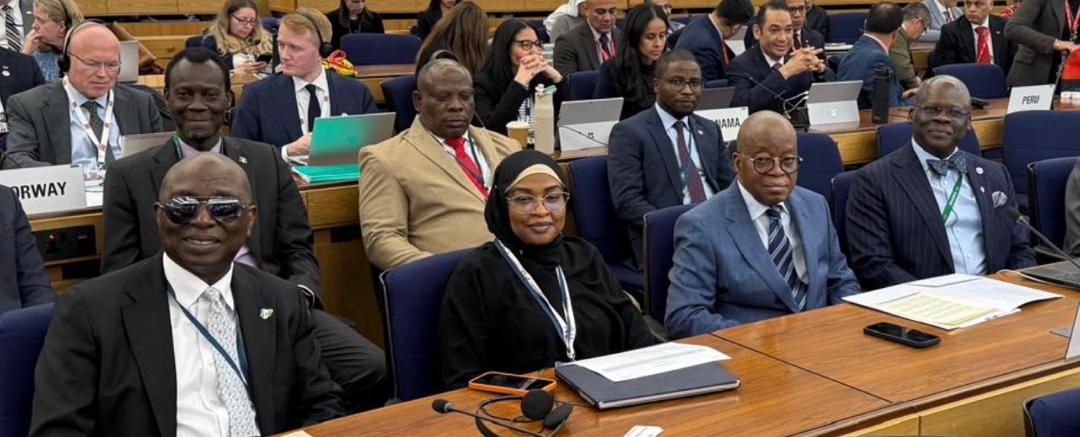
Nigeria’s Minister of Marine and Blue Economy, Adegboyega Oyetola, is leading a high-level Nigerian delegation to the 138th session of the International Maritime Organization (IMO) Council in London, United Kingdom, as the country seeks to strengthen its influence in global maritime governance.
The five-day meeting, which began on November 2 and ends November 6, 2026, at the IMO headquarters, brings together member states to deliberate on critical issues affecting international shipping, maritime security, seafarer welfare and the sustainability of the global maritime industry.
Nigeria’s participation under its Category C membership of the 40-member IMO Council underscores the country’s commitment to shaping international maritime policies and advancing the interests of developing maritime nations.
Oyetola’s participation comes as the Council considers measures to protect strategic international shipping routes, improve seafarers’ welfare, strengthen institutional governance and promote sustainable shipping.
Speaking on Nigeria’s participation, the minister said the country was committed to working with other maritime nations to ensure safe, secure and sustainable international shipping.
He said Nigeria would use the platform to advance its national maritime interests while contributing to solutions to challenges confronting the global shipping industry.
“Nigeria recognises that the challenges confronting the global maritime industry require collective action, stronger international cooperation and effective regulatory frameworks.
We are at the IMO Council to ensure that Nigeria’s interests are represented while contributing meaningfully to solutions that will strengthen maritime security, protect seafarers and promote sustainable shipping,” Oyetola said.
A major issue before the Council is the protection of vital international shipping routes amid rising security concerns and threats to commercial vessels in high-risk maritime zones.
Under Agenda Item 11, which addresses the protection of vital shipping lanes, Nigeria is expected to draw on its experience in tackling piracy and maritime crimes in the Gulf of Guinea to support stronger international cooperation and coordinated security responses.
Oyetola said Nigeria’s progress in improving maritime security demonstrated the importance of sustained collaboration among coastal states, international organisations and industry stakeholders.
He maintained that the country’s experience in the Gulf of Guinea had shown that maritime insecurity could be addressed through political commitment, effective coordination and cooperation among regional and international partners.
The minister added that Nigeria would continue to support initiatives aimed at securing shipping routes and protecting seafarers and maritime assets.
Seafarer welfare is another major issue featuring prominently at the meeting, following IMO Secretary-General Arsenio Dominguez’s condemnation of the use of seafarers as pawns in geopolitical disputes.
Nigeria is supporting measures to prevent the arbitrary detention and abandonment of seafarers while promoting their fair treatment, safe repatriation and mental well-being.
READ ALSO:FG commissions 1.6MW solar mini-grid at Federal University Lafia, saves ₦30m monthly
Oyetola stressed that seafarers remained indispensable to international trade and deserved adequate protection irrespective of geopolitical tensions affecting the waters in which they operate.
“Seafarers are the lifeblood of international shipping. Their safety, dignity and welfare must never be compromised by geopolitical tensions. Nigeria supports stronger international measures to protect maritime workers and ensure that their rights are respected,” he said.
The Council is also reviewing financial allocations for the 2026–2027 biennium and strategic priorities for 2028–2029, providing Nigeria with an opportunity to advocate increased technical cooperation and capacity-building support for developing maritime countries.
According to Oyetola, Nigeria is committed to building a competitive and sustainable blue economy through international partnerships that will provide developing maritime nations with access to technical expertise, institutional support and investment opportunities.
He said such cooperation was necessary to ensure that developing countries participated meaningfully in the evolving global shipping industry.
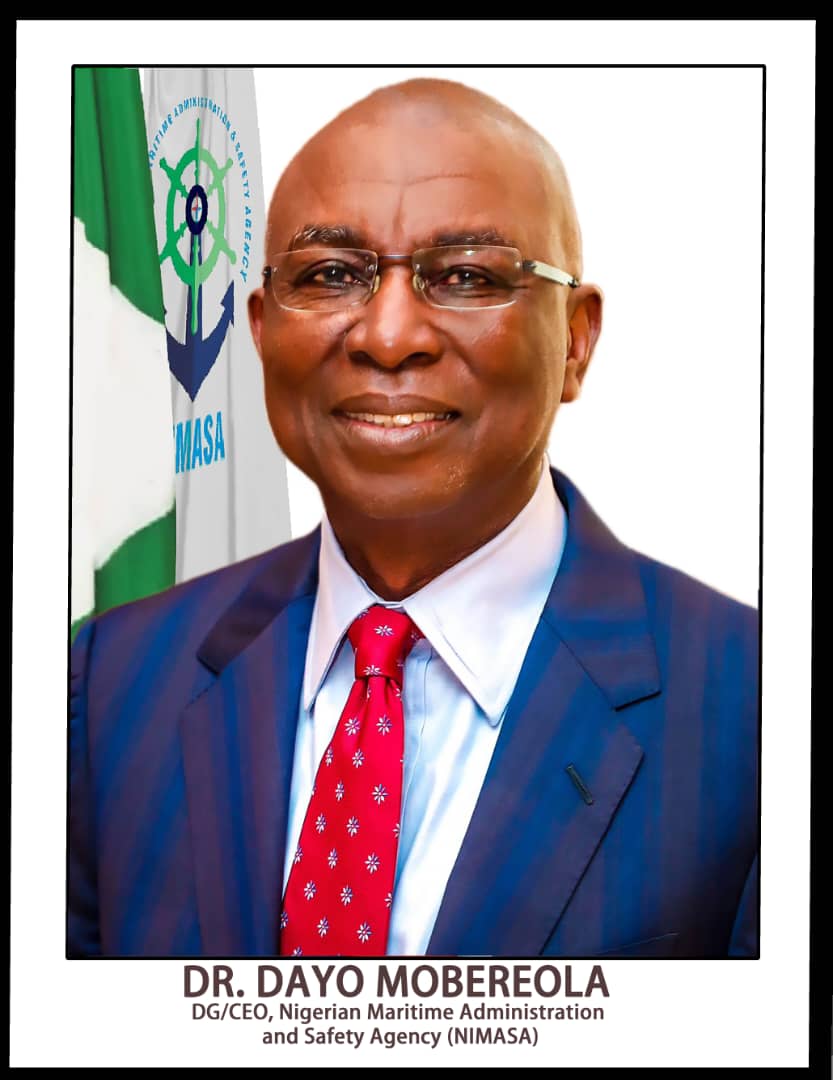
The minister is accompanied by the Permanent Secretary of the Federal Ministry of Marine and Blue Economy, Fatima Mahmood; Director-General of the Nigerian Maritime Administration and Safety Agency (NIMASA), Dayo Mobereola; Director of Maritime Services, Oyinloye Adeola Meshack; and Nigeria’s Alternate Permanent Representative to the IMO, William Bwala.