For more than four decades, the Ajaokuta Steel Company Limited has remained Nigeria’s most enduring symbol of policy failure, wasteful spending, and misplaced national priorities.
Conceived in the late 1970s as the bedrock of Nigeria’s industrialisation, the steel complex has instead become a recurring drain on public finances, surviving not on productivity but on annual budgetary allocations.
The 2026 federal budget once again tells a troubling story. Billions of naira have been earmarked for Ajaokuta, with the overwhelming majority allocated to personnel costs rather than production, expansion, or revival.
This means the Nigerian taxpayer continues to fund salaries for a company that produces no steel, contributes nothing to GDP, and offers no tangible return on investment. In any rational economic system, such an arrangement would be indefensible.
Successive governments have blamed Ajaokuta’s paralysis on a familiar list of excuses: incomplete infrastructure, contractual disputes, funding gaps, and legal entanglements with past concessionaires. Yet these explanations have worn thin.
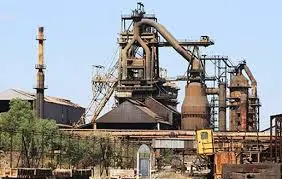
What has endured is a lack of political will to take hard decisions, whether to complete, concession, privatise, or finally shut down the plant. Instead, the government has chosen the path of least resistance: keeping Ajaokuta on life support while avoiding accountability.
The irony is stark. Nigeria spends scarce public resources sustaining a dormant steel plant while simultaneously importing steel products worth billions of dollars annually.
This dependence on imports weakens the naira, erodes foreign exchange reserves, and undermines local industries that could have thrived around a functional steel value chain.
Ajaokuta was meant to anchor industrial clusters, create thousands of skilled jobs, and support sectors such as construction, manufacturing, and defence. Today, it does none of these.
Worse still, the continued funding of Ajaokuta crowds out investment in sectors that deliver real economic and social returns.
At a time when public universities are underfunded, hospitals are overstretched, and infrastructure gaps widen, pouring money into a non-performing asset reflects poor prioritisation. It also raises ethical questions about governance and fiscal responsibility.
Defenders of Ajaokuta argue that abandoning the project would amount to conceding defeat after decades of investment.
But refusing to admit failure can be far more costly than acknowledging it. Nations progress not by clinging to sunk costs, but by making pragmatic choices informed by current realities.
If Ajaokuta is to have any future, it must be through a transparent, time-bound strategy, one that involves credible private sector participation, clear milestones, and zero tolerance for further waste.
If such a pathway is no longer feasible, then the honest option is to stop pretending. Shutting down or repurposing the facility, painful as it may be, would free resources for more productive use and send a strong signal that inefficiency will no longer be rewarded.
Ajaokuta Steel has lingered too long as a monument to unfulfilled promises. Nigeria can no longer afford the luxury of nostalgia or indecision.
The real cost of keeping a dead asset alive is not just measured in billions of naira, but in lost opportunities, weakened institutions, and a future perpetually deferred.