
By Seun Ibiyemi
The Federal Government through the Ministry of Finance has dismissed recent media reports alleging that a significant portion of Nigeria’s federation earnings is being diverted or concealed, describing such interpretations as a misrepresentation of findings in the latest Nigeria Development Update by the World Bank.
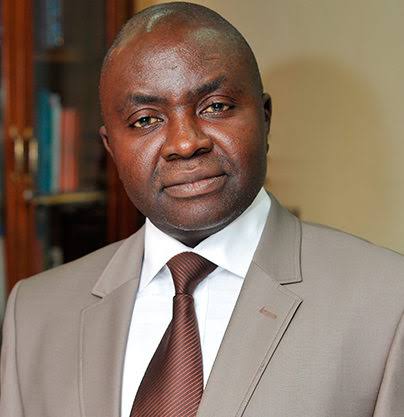
In a statement issued, the Honourable Minister of State for Finance, Taiwo Oyedele, said the reports reflect a misunderstanding of the country’s fiscal framework and the structure of allocations under the Federation Account Allocation Committee (FAAC).
Oyedele clarified that deductions referenced in the World Bank report were wrongly labelled as “waste” or missing funds.
He explained that FAAC deductions cover legitimate fiscal components such as statutory transfers, savings and investments, security-related expenditures, cost-of-collection charges, refunds to Ministries, Departments and Agencies (MDAs), as well as transfers and interventions benefiting subnational governments.
He stressed that refunds and transfers to states and other tiers of government are not leakages but lawful financial obligations and allocations backed by statute.
Oyedele also faulted what it described as the selective use of outdated data by some commentators, noting that such analyses ignore recent reforms aimed at strengthening public financial management.
According to the statement, the World Bank report acknowledges reforms introduced in early 2026, including a new Executive Order to safeguard petroleum revenue remittances.
These measures, it said, are expected to boost transparency and increase distributable revenue to all tiers of government by about 0.4 percent of Gross Domestic Product annually.
Highlighting the broader context of the report, the ministry said Nigeria’s macroeconomic outlook remains positive.
He noted that economic growth is becoming more diversified, inflation is gradually easing due to policy interventions, and the country’s external position has improved, supported by stronger reserves and a current account surplus.
Oyedele further pointed to improvements in debt indicators, including a decline in the debt-to-GDP ratio—the first recorded in over a decade.
Read Also:REA boss Aliyu bags Energy Times award for transparency in renewable projects
“The World Bank does not conclude that Nigeria’s fiscal system is collapsing or that reforms have failed,” the minister stated, adding that the report instead underscores the need to sustain and deepen ongoing reforms to translate macroeconomic gains into inclusive growth.
Reaffirming the Federal Government’s commitment to fiscal discipline, the ministry said it would continue to enhance transparency, improve revenue mobilisation, and ensure efficient public spending.
He also urged stakeholders, media organisations, and the public to engage responsibly with fiscal information to avoid misinterpretations that could undermine confidence in Nigeria’s economic reform agenda.