By Seun Ibiyemi
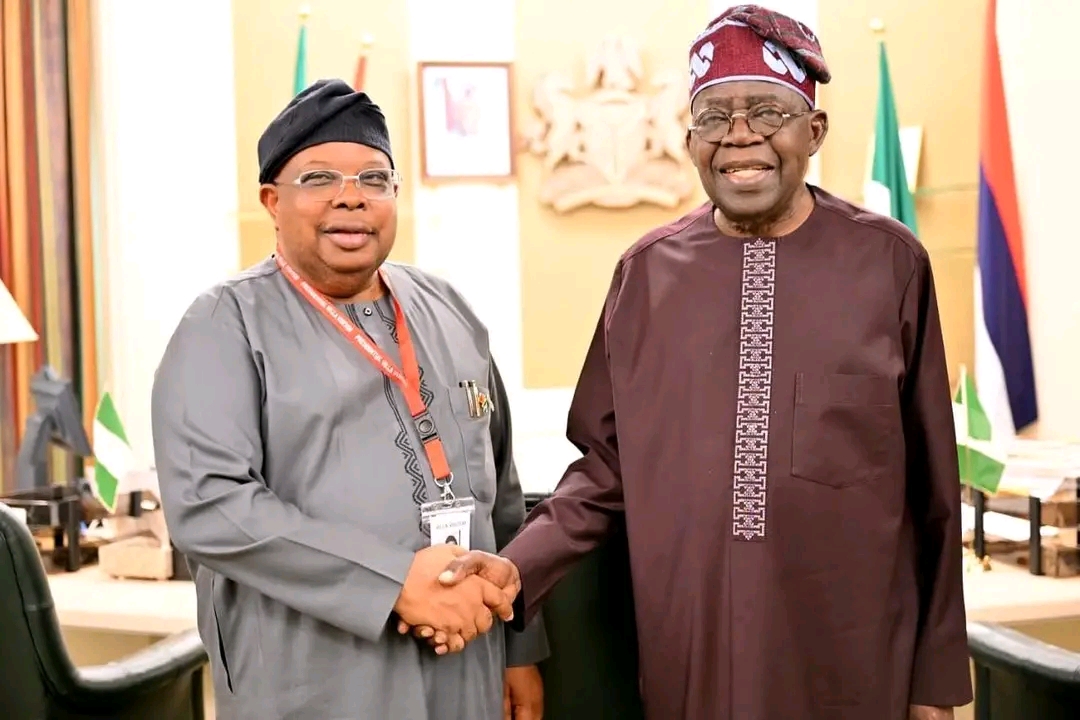
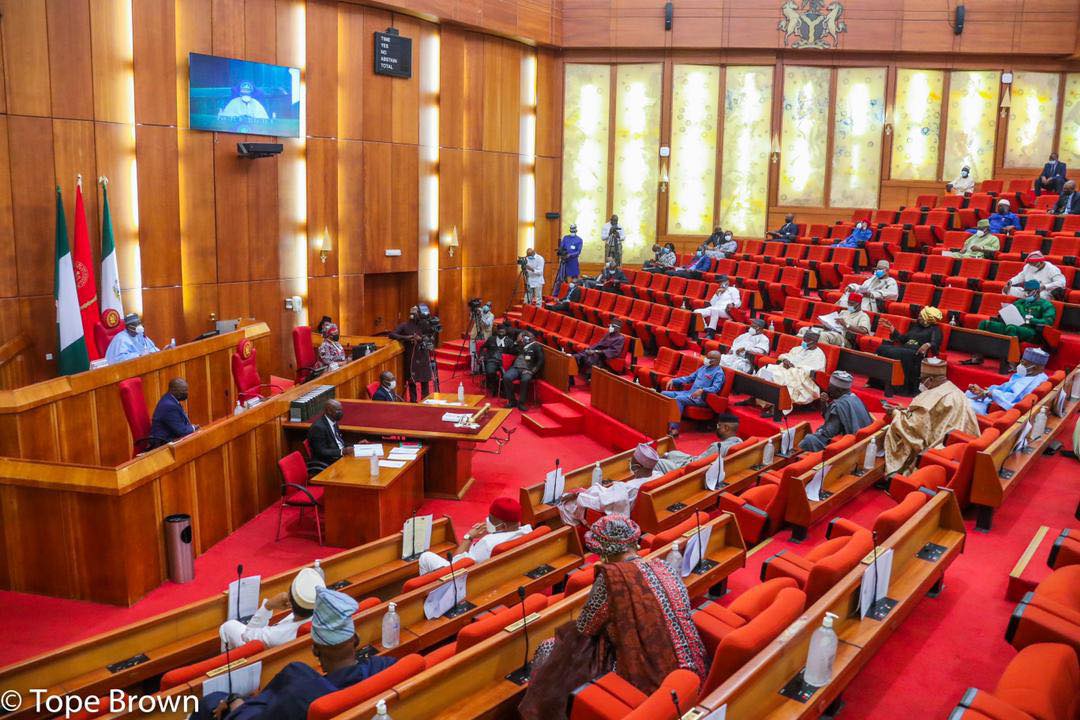
The Chairman of the Senate Committee on Public Accounts, Aliyu Wadada, has acknowledged that unraveling the alleged ₦210 trillion discrepancies in the financial records of the Nigerian National Petroleum Company Limited (NNPCL) is proving to be a difficult and complex task.
Wadada, however, stressed that the Senate’s ongoing probe is focused on ensuring accountability and clarification of figures rather than accusing anyone of stealing public funds.
Speaking during an interview on Politics Today on Channels Television, the lawmaker explained that the committee’s investigation is based on figures contained in reports from the Office of the Auditor-General for the Federation and the company’s audited financial statements.
According to him, the Senate panel is seeking explanations for entries it considers discrepancies in the records and expects the national oil company to submit reconciled responses.
“We are not accusing anybody of stealing money,” Wadada said during the interview. “What we are asking for is accountability and clarification of figures that appear in the company’s financial statements.”
Read also:SERAP sues NNPCL over missing oil funds
The senator’s comments come amid growing public debate following earlier reports suggesting that about ₦210 trillion was either “missing” or “unaccounted for” in NNPCL’s books, a claim that has drawn sharp scrutiny from analysts and industry observers.
Critics argue that the figure appears unrealistic when compared with Nigeria’s national finances.
Nigeria’s combined federal budgets between 2018 and 2020 were estimated at roughly ₦28.5 trillion, raising questions about how discrepancies amounting to ₦210 trillion could appear in the company’s financial records.
During the television interview with anchor Seun Okinbaloye, Wadada maintained that the figures referenced by the committee were taken directly from NNPCL’s financial statements and the auditor-general’s report.
He nonetheless admitted that the committee had not yet completed a comprehensive review of the company’s responses to its queries.
The discussion also raised questions about whether the debated figures represent actual missing funds or complex accounting entries typical in large corporations.
Okinbaloye noted that such numbers might reflect financial classifications such as receivables, liabilities, or multi-year accruals rather than cash that has disappeared.
Wadada also pointed to certain items in the records that he said required clarification, including legal fees and expenses linked to the company’s rebranding.
He further questioned how the oil company could report ₦103 trillion in accrued expenses for 2023 when its total revenue over the previous five years stood at about ₦24 trillion.
Observers say the disparity could reflect a misunderstanding between lawmakers and technical accounting interpretations, particularly in the oil and gas sector where consolidated statements often include large non-cash obligations and joint venture liabilities.
Read also:Senate summons Kyari, NNPCL over N210trn financial discrepancies
Reacting to the controversy, the chairman of the Nigerian Oil Professionals Vanguard Group, Bassey Chinedu, urged caution in interpreting the figures cited by lawmakers.
Chinedu explained that large financial entries are common in petroleum industry accounts and often represent obligations tied to joint ventures, cost recoveries or long-term operational liabilities.
“Those who understand oil and gas accounting know that large figures such as joint venture obligations, receivables, and cost recoveries can appear enormous in consolidated financial statements. It does not automatically translate to missing money,” he said.
He also defended reforms introduced during the tenure of former NNPCL Group Chief Executive Officer Mele Kyari, noting that the company began publishing audited financial statements consistently during that period.
“Under Kyari, NNPCL published audited financial statements consistently for the first time in decades. That alone shows a commitment to transparency,” Chinedu added.
He further advised the Senate committee to engage independent financial and petroleum accounting experts to properly analyse the disputed figures before reaching conclusions.
The Senate panel has yet to announce the next phase of its investigation, but analysts say the outcome of the probe could significantly influence public perception of financial transparency within Nigeria’s state-owned oil company.