By Seun Ibiyemi
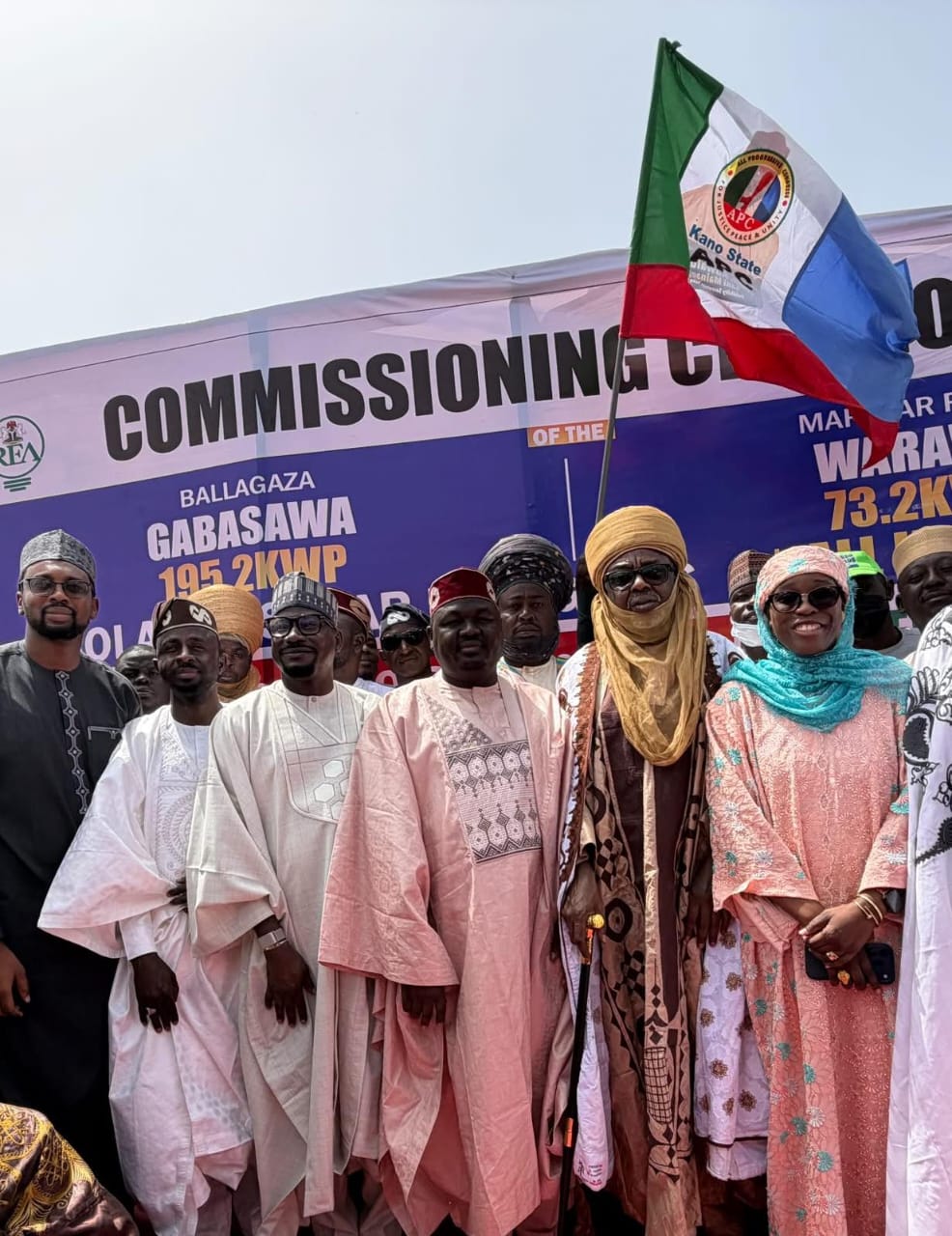
The Rural Electrification Agency (REA) has commissioned two solar mini-grid projects in Kano State, bringing electricity to 2,222 households and ending more than 16 years without power in the beneficiary communities.
The projects, located in Ballagaza and Marayar Rogo in Warawa Local Government Area, comprise a 195-kilowatt-peak (kWp) mini-grid in Ballagaza and a 70kWp system in Marayar Rogo.
The initiative is part of the Federal Government’s efforts to expand electricity access to underserved communities through renewable energy solutions and public-private partnerships.
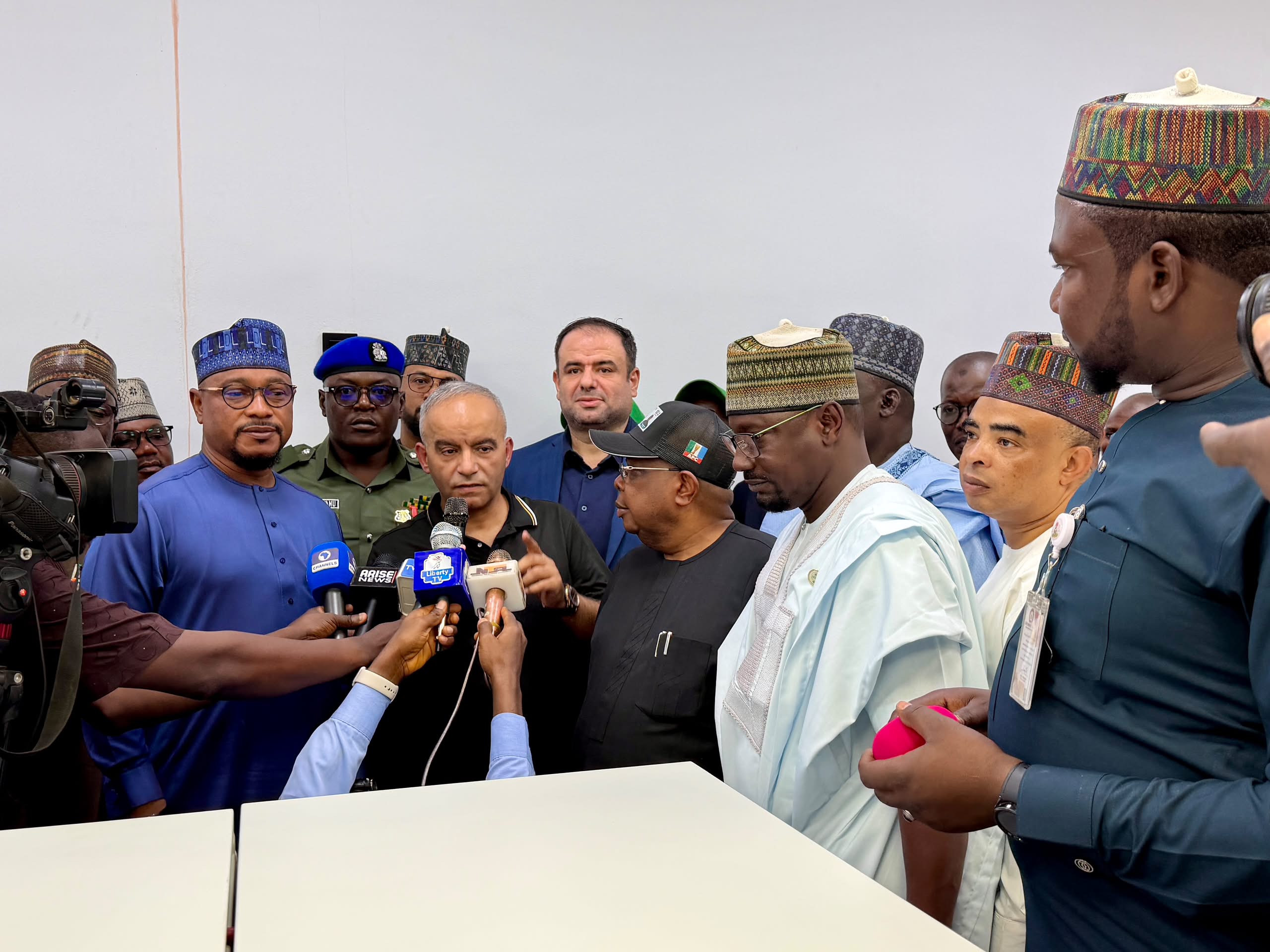
Speaking at the commissioning ceremony, the Managing Director of the REA, Abba Aliyu, said the projects represented another step towards achieving the Renewed Hope Agenda’s target of providing electricity access to more than 17 million Nigerians.
Aliyu described the projects as evidence of the potential of collaboration between government and private investors in addressing Nigeria’s electricity access challenges.
He commended Kano State Governor Abba Kabir Yusuf for prioritising electricity access and providing an enabling environment for the implementation of the projects.
According to the REA chief, the mini-grids were developed and financed by Alfuttaim Nigeria Limited, which will own and operate the facilities, while the government provided partial financial support through the Distributed Access through Renewable Energy Scale-up (DARES) programme.
“The Federal Government did not build these mini-grids and hand them over. Alfuttaim Nigeria Limited invested its own money, built them, and will own and operate them for many years,” Aliyu said.
He explained that the government’s intervention through the DARES programme, implemented by the REA with support from the World Bank, was designed to reduce project costs and make electricity more affordable for residents.
Aliyu disclosed that Nigeria was working towards deploying 1,350 mini-grids under the programme, which he said had already delivered new or improved electricity access to more than five million Nigerians.
He, however, acknowledged that the country continued to face a significant electricity access deficit, stressing that the challenge required sustained collaboration among government agencies, private investors and beneficiary communities.
According to him, expanding electricity access would depend on implementing projects at the community level, attracting private investment and ensuring that residents take responsibility for protecting the infrastructure.
“The government’s job is to keep its word to both,” he said, referring to private investors and beneficiary communities.
Beyond providing electricity to households, the projects are expected to stimulate economic activities, particularly agriculture and small-scale businesses in the beneficiary communities.
Gabazawa, known for producing groundnuts, millet, sorghum and soya beans, as well as its blacksmithing, weaving and dyeing activities, is expected to benefit from improved access to reliable electricity.
With power available, local processors will be better positioned to use electric machinery to process groundnuts into oil and kuli-kuli, potentially improving productivity, reducing manual labour and enabling producers to secure better prices for their products.
The projects are also expected to support local enterprises that depend on electricity for production, preservation and other commercial activities.
In addition, the mini-grid initiative will provide electricity to the primary healthcare centre serving the Gabazawa community, which previously operated without power.
Access to electricity at the facility is expected to improve the delivery of healthcare services and support essential activities requiring a reliable power supply.
READ ALSO:Lagos Blue Rail to add 3 stations by February 2027, red line services to rise to 20
The Co-founder of Alfuttaim Nigeria Limited, Dr Nabilah Sani, expressed satisfaction with the completion of the projects, saying the intervention would benefit households while strengthening agricultural production and other economic activities.
She thanked the Federal Government for facilitating the funding support that helped bring the projects to completion.
Sani also disclosed that the two commissioned sites were part of a broader programme involving 10 locations currently under development in Kano State.
She urged residents to protect the mini-grid infrastructure and regard the facilities as community assets, warning against vandalism that could undermine the sustainability of the projects.
The commissioning highlights the growing role of decentralised renewable energy systems in extending electricity access to communities that remain underserved by Nigeria’s national grid.
For the beneficiary households and businesses, the projects are expected to create opportunities for improved living standards, stronger commercial activity and better access to essential services, while contributing to the country’s wider rural electrification drive.