By Seun Ibiyemi
Lagos State is set to expand its rail and bus transportation infrastructure, with three additional stations on the Blue Line expected to become operational by the end of February 2027.
The planned stations are Alakija, Festac and Trade Fair, as the state government intensifies efforts to establish a coordinated and regulated public transportation system across the state.
The state also plans to increase services on the Red Line from nine to 20 following the expected deployment of three new eight-car train coaches in November 2026.
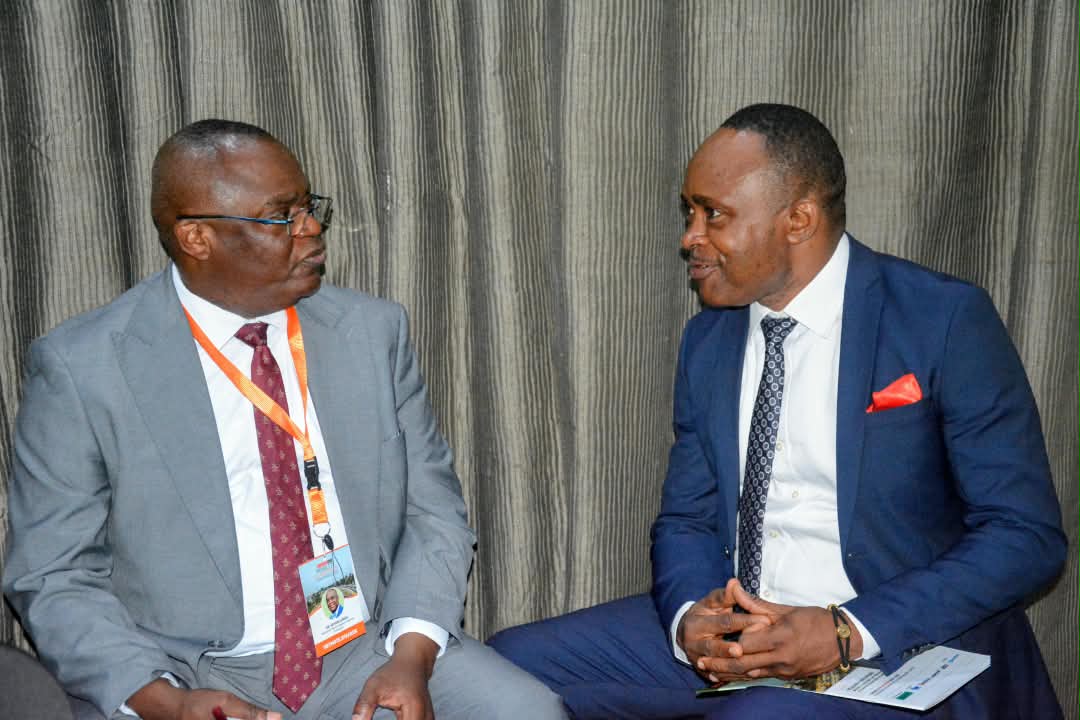
Speaking at the ministry of transportation media parley, the Managing Director of the Lagos Metropolitan Area Transport Authority (LAMATA), Engr. (Mrs.) Abimbola Akinajo disclosed these plans while outlining ongoing investments in rail, bus and other transport infrastructure.
According to her, the Blue Line currently operates to Marina, while the long-term vision is to extend the corridor to Ojo and Maiko, with expansion to be implemented in phases.
Abimbola said the introduction of the three additional stations would mark the next phase of the Blue Line’s expansion, improving connectivity for commuters along the corridor.
On the Red Line, the official said the arrival of three new eight-car coaches would enable the state to increase the number of train services from nine to 20 in the coming months.
The target is to further raise the number of services to 28 before the end of 2027, following a gradual expansion strategy similar to the one adopted on the Blue Line.
She explained that the Blue Line’s services had increased from 12 to 19, adding that the state intended to replicate the approach on the Red Line to accommodate growing passenger demand.
READ ALSO:Ember months: Demystifying the myth, embracing safety
Beyond rail transportation, the state is also developing four major quality bus corridors, including associated terminals and depots, which are expected to be ready by February 2027.
The projects form part of broader efforts to improve public transportation infrastructure, streamline passenger movement and integrate different transport services into a unified system.
The state is also shifting away from diesel-powered buses, with future acquisitions expected to focus on compressed natural gas (CNG) and electric buses.
The move aligns with the broader objective of reducing emissions from public transportation and supporting Nigeria’s ambition to achieve net-zero emissions by 2050.
She disclosed that an additional 20 buses were expected to be introduced within the next five to six months, alongside buses already added to the fleet.
The state has also received 15 buses donated by a transport union in recent weeks, a development the official described as evidence of growing cooperation between the government and transport operators.
She said the partnership between the state and transport unions was aimed at bringing public transportation operations under a single, regulated framework.
The initiative is expected to support better coordination among transport operators while expanding the availability of rail and bus services across Lagos.
With the planned expansion of the Blue and Red rail lines, the completion of four quality bus corridors and the introduction of cleaner-energy buses, the state is pursuing a broader strategy to improve public transport capacity and coordination.
However, the impact of the projects will depend on their timely delivery, operational reliability and ability to meet the mobility needs of Lagos residents.