

By Seun Ibiyemi
The 27th Ordinary Session of the Assembly of Health Ministers of the Economic Community of West African States (ECOWAS) with member states reaffirming their commitment to a coordinated regional strategy aimed at eliminating malaria across West Africa.
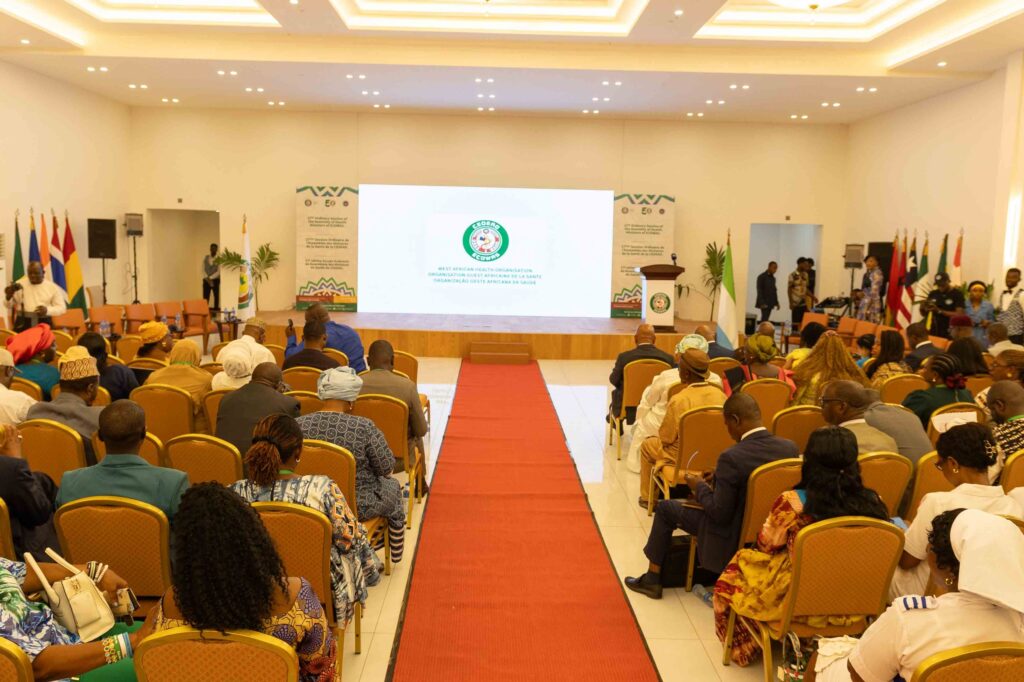
The two-day high-level meeting, organised by the West African Health Organisation (WAHO) in collaboration with Sierra Leone’s Ministry of Health, is being held under the theme, “Advancing Malaria Elimination Through an Integrated Regional Strategy.”
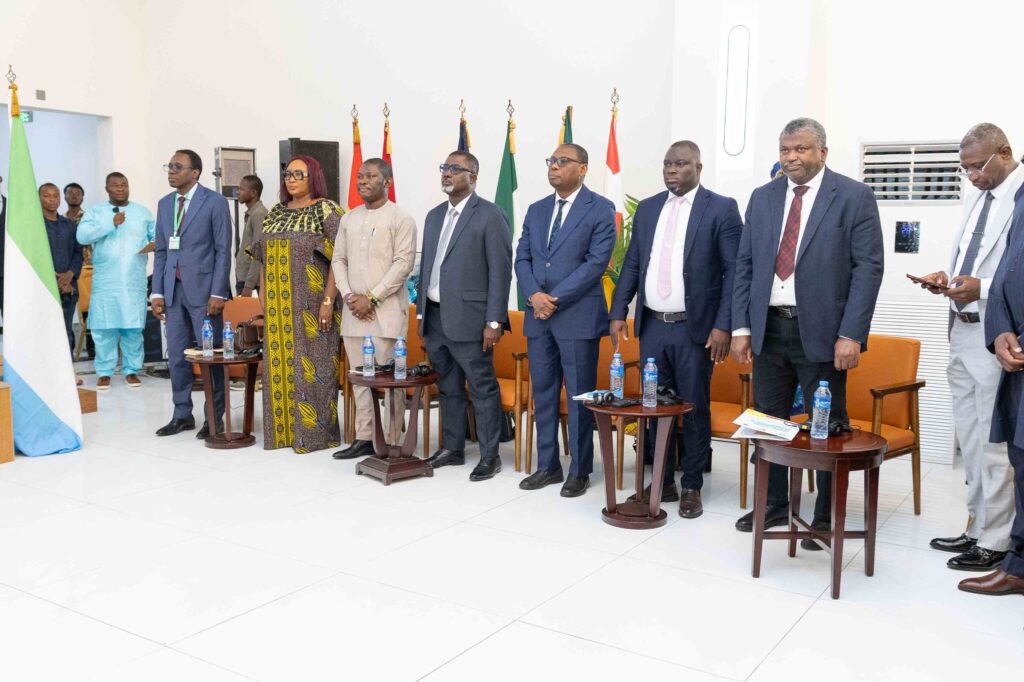
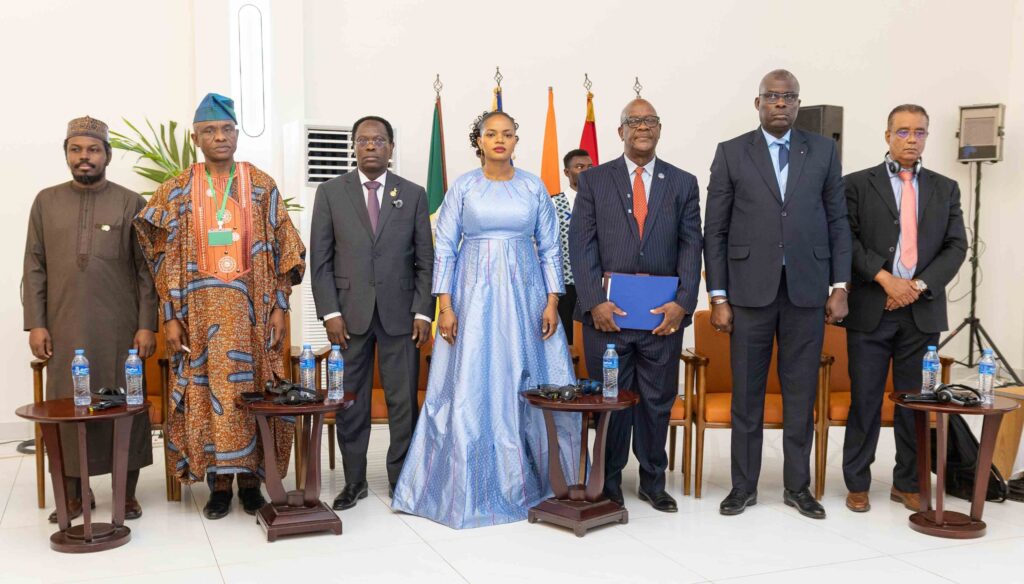
The session brought together Health Ministers from ECOWAS member states, senior government officials, technical and financial partners, and regional health experts to strengthen collective action against one of the region’s most persistent public health challenges.
The event was officially inaugurated by Sierra Leone’s President, Julius Maada Bio, Chairman of the Authority of Heads of State and Government of ECOWAS, who was represented by the Chief Minister, David Moinina Sengeh.
In his address, President Bio described the Assembly as a critical platform for decisive regional action, stressing that population health remains a major indicator of governments’ ability to fulfill their responsibilities to citizens.
He called for concrete and measurable outcomes, urging member states to move faster from malaria control to complete elimination through stronger, data-driven and innovative health systems.
He subsequently declared the session officially open.
Speaking during the opening ceremony, Sierra Leone’s Minister of Health and Chair of the 27th Ordinary Session, Dr. Austin Demby, said the region was witnessing renewed political commitment to placing health at the centre of sustainable development.
He noted that malaria elimination efforts must be intensified due to stalled global progress since 2015, shrinking external funding, and the increasing impact of climate change on malaria transmission patterns.
Demby called for increased domestic investment, stronger innovation, and the transformation of health systems into more resilient and responsive platforms capable of addressing emerging health threats.
Also speaking, the Director General of WAHO, Dr. Melchior Athanase J.C. Aïssi, said malaria elimination could not be achieved by any country acting alone.
He advocated for a coordinated regional strategy built on solidarity, harmonised interventions, and stronger sharing of data and resources among member states.
Read Also:FG moves to expand deep blue project, boost fish production to end imports
While acknowledging major progress, including Cabo Verde’s malaria-free certification, Aïssi warned that sustaining such achievements would require stronger political commitment, technical discipline, and sustained domestic financing.
He also presented the regional strategic framework for malaria elimination, which prioritises stronger health governance, digital transformation, effective data utilisation, local innovation, and deeper community engagement.
According to him, ECOWAS remains committed to eliminating malaria across the region within the next decade.
Speaking on behalf of technical and financial partners, Mr. Dionke Fofana reaffirmed their continued support for strengthening health systems across West Africa.
He stressed the importance of the Assembly in defining shared priorities and called for stronger regional cooperation through domestic financing, innovation, data-driven decision-making, and greater private sector participation.

