By Seun Ibiyemi
The Nigerian Railway Corporation (NRC) has unveiled plans to expand Nigeria’s railway network from approximately 4,000 kilometres to 10,000 kilometres within five years, with a long-term target of 20,000 kilometres, as part of efforts to reduce logistics costs and strengthen the country’s economic competitiveness.
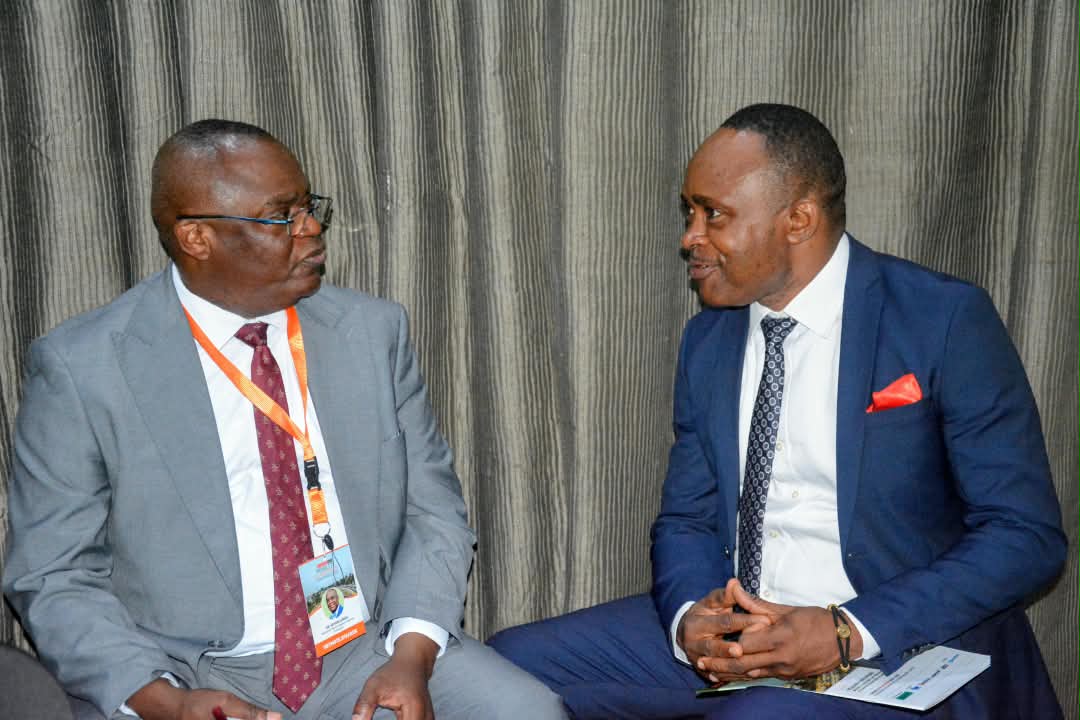
The Managing Director of the NRC, Dr Kayode Opeifa, disclosed this while speaking on the theme, “Scaling the Future: Building a Resilient and Efficient Mobility and Logistics Ecosystem in Nigeria,” at the BusinessDay Mobility and Logistics Conference held at Four Points by Sheraton, Victoria Island, Lagos.
Opeifa said the expansion targets formed part of the corporation’s Vision 2:5:10:20, which focuses on optimising existing railway assets, reviving viable dormant corridors, expanding freight operations, strengthening private-sector participation and progressively extending the national rail network.
He stressed that achieving the targets would require sustained investment, effective implementation and stronger integration between rail, road, maritime and air transportation.
The NRC chief identified an integrated transportation and logistics system that supports production, trade and mobility as a critical driver of Nigeria’s economic resilience and competitiveness.
According to him, inefficiencies across the transportation network contribute to congestion, higher logistics costs, delayed deliveries, reduced productivity and rising prices of goods and services.
He said rail transportation could help address these challenges by providing high-capacity movement for passengers and freight over long distances, reducing pressure on highways and connecting seaports, industrial clusters, inland terminals and urban centres.
Opeifa maintained that the various transport modes should complement one another rather than compete.
“Rail should not be viewed as a competitor to road, maritime or air transportation, but each should continue to develop as complementary components of an effective integrated transport system,” he said.
He explained that road transport remained essential for cargo collection and last-mile delivery, while maritime transportation connected Nigeria to international markets.
Inland terminals, he added, supported cargo handling and distribution, with rail providing a high-capacity link between these facilities and centres of production and consumption.
According to him, seamless coordination among the different modes would reduce avoidable costs, improve market access, promote regional trade and enhance the competitiveness of Nigerian products.
Opeifa said the corporation’s track access policy was designed to create opportunities for private investors to operate passenger and freight services along the country’s railway corridors.
He identified greater private-sector participation as one of the measures expected to improve railway asset utilisation, expand freight operations and support the development of a more efficient transport network.
The NRC’s immediate priorities, he said, included improving the utilisation of its two legacy narrow-gauge lines and three standard-gauge lines, restoring operational capacity and strengthening connections between railway infrastructure, seaports and inland terminals.
He added that making better use of existing assets would help maximise their economic value while providing a foundation for future expansion.
The NRC managing director also highlighted ongoing and planned railway infrastructure projects under President Bola Tinubu’s administration.
He said efforts were being made to extend standard-gauge railway services to Apapa Port and establish a connection to Tin Can Island Port to improve freight movement and strengthen links between the national railway network and maritime facilities.
Opeifa further said the Kano–Maradi railway line was expected to be completed in 2027, while plans were underway for a central railway corridor linking the Warri–Itakpe line to Abuja.
According to him, the government also plans to commence construction of the Marina–Lekki railway line.
He added that efforts were being made to support the Kaduna–Kano inter-state train service and the Kano State Government’s proposed intra-state rail services.
The projects, he said, were intended to expand rail connectivity, improve passenger mobility and facilitate the movement of goods across the country.
Meanwhile, the Director-General of the Africa Centre for Supply Chain (ACSC), Dr Obiora Madu, estimated that Nigeria loses more than N3.6 trillion to inefficiencies and distortions in the transportation and logistics sector.
READ ALSO:250 Youths from 125 Lagos riverine communities seek government intervention
Madu warned that small-scale businesses would continue to struggle if the country failed to establish effective connections across its transportation and logistics networks.
He argued that improving the sector required more than developing individual infrastructure projects, stressing the need for systems that work together efficiently.
“If we don’t get the logistics right, the small-scale businesses would not be optimised. We do not need digital islands, we do not need superlative infrastructure, what we need is connected systems,” he said.
Madu maintained that a resilient logistics ecosystem depended on coordination, connectivity and the capacity of the entire network to withstand disruptions.
Similarly, the Managing Director of JanksMay Global Services Ltd., Ifeanyi Onwuachu, said infrastructure deficits continued to undermine the operations of small-scale logistics businesses.
He called attention to the need for improved infrastructure and more efficient transport connections to support business activities.
Earlier, the Deputy Editor-in-Chief of BusinessDay, Dr Innocent Nna, described the conference as a platform for examining persistent gaps in Nigeria’s logistics sector.
Nna urged industry stakeholders to engage in frank discussions about the challenges confronting the country’s transportation systems and identify practical solutions to improve efficiency.
The conference brought together stakeholders from across the mobility and logistics industry to explore strategies for building a more integrated and resilient transport ecosystem capable of supporting economic growth and improving the competitiveness of Nigerian businesses.