By Seun Ibiyemi
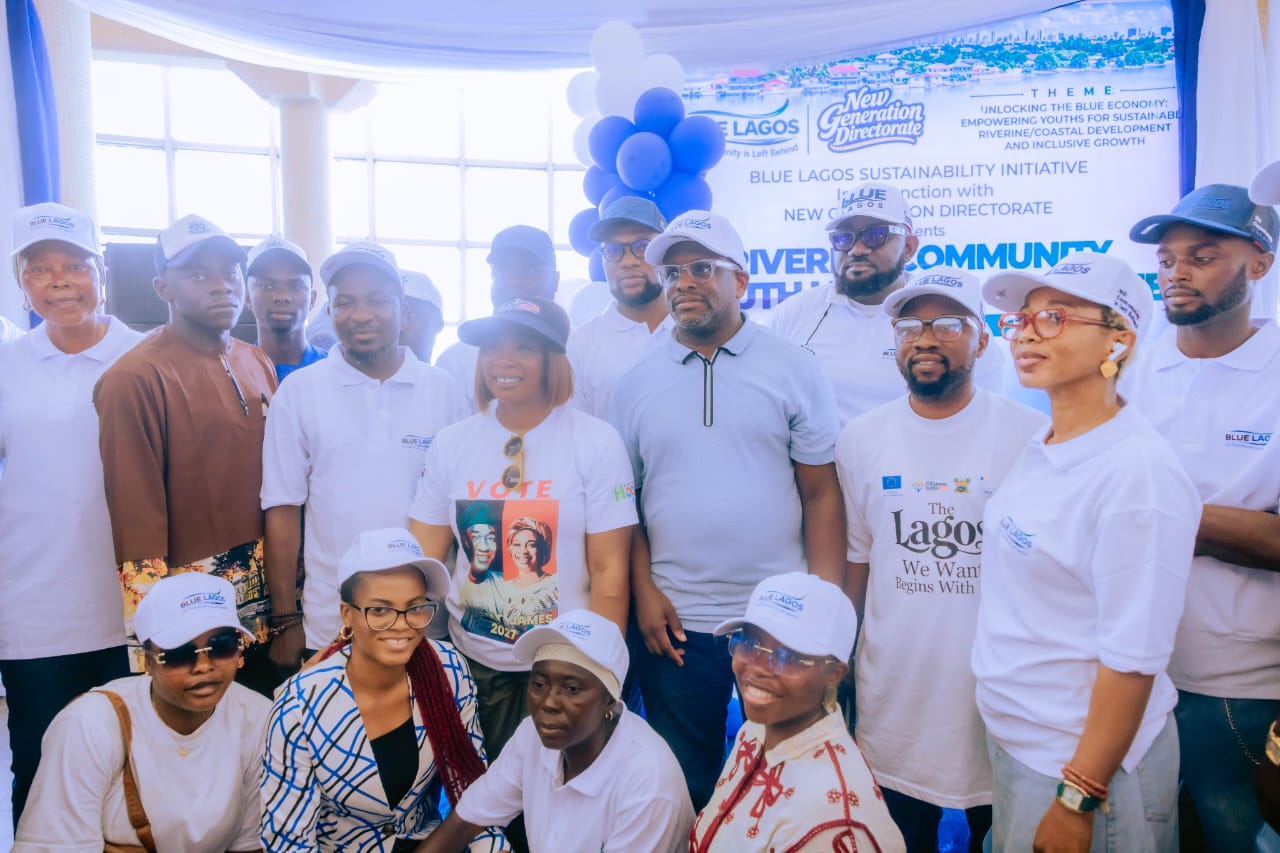
The Blue Lagos Sustainability Initiative, in collaboration with the New Generation Directorate, has brought together 250 youths representing 125 riverine and coastal communities in Lagos State to discuss development challenges and seek improved access to government services.
The Lagos Riverine Community Youth Leaders Dialogue, held at the Badore Ferry Terminal in Ajah, provided a platform for young people to present community needs and make recommendations on education, healthcare, employment, transportation, infrastructure and environmental sustainability.
The initiative aimed to strengthen communication between government institutions and grassroots communities while ensuring that young people in underserved and hard-to-reach settlements participate in decisions affecting their welfare and future.
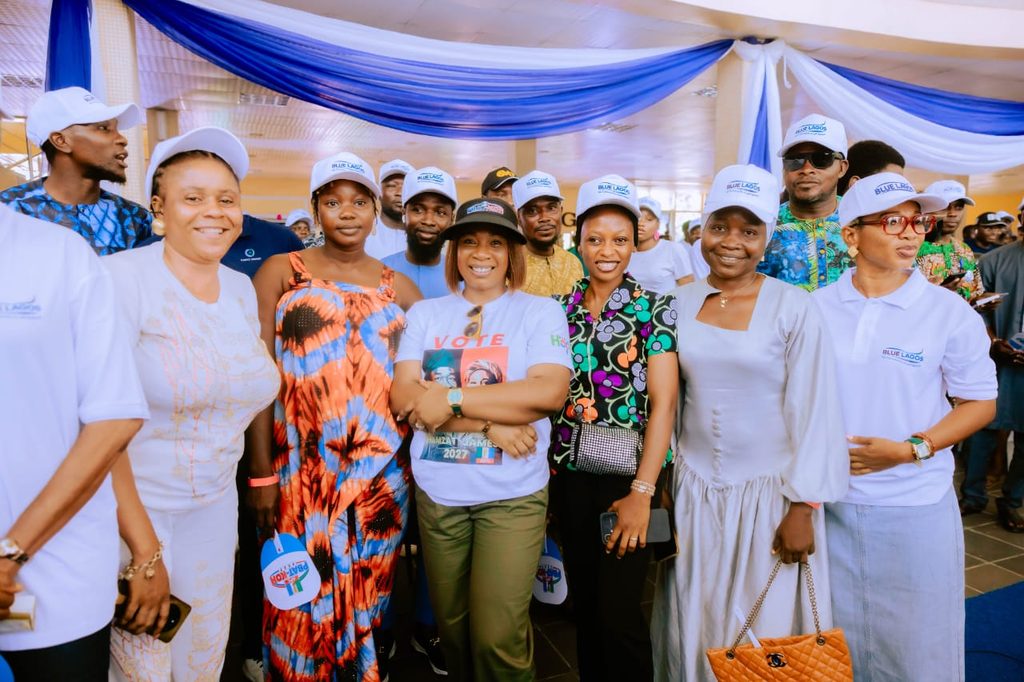
Speaking at the event, the host, Oluwadamilola Emmanuel, Special Adviser to the Lagos State Governor on Blue Economy, stressed the importance of engaging young people as partners in governance and the development of the state’s riverine and coastal communities.
Emmanuel called for effective communication channels between government and grassroots communities, noting that sustainable development required authorities to listen to residents, understand their needs and incorporate their perspectives into planning and implementation.
During the interactive session, youth leaders outlined challenges facing their communities, particularly geographical barriers and inadequate access to essential services.
The issues raised included poor access to education and healthcare, limited employment opportunities, transportation difficulties, infrastructure deficits, environmental concerns and inadequate access to youth empowerment programmes.
Emmanuel acknowledged the concerns and assured participants that their requests and recommendations would be presented to the appropriate government authorities for consideration and necessary action.
In her goodwill message, Princess Damilola Sonayon James, the APC deputy governorship candidate in Lagos State and Director of the New Generation Directorate, urged young people from riverine and coastal communities to take an active role in governance and community development.
She said youth participation should extend beyond expressing grievances or criticising government policies to include constructive engagement with leaders, proposing solutions and contributing to decision-making at the grassroots and state levels.
James noted that young people possessed the creativity, innovation and local knowledge needed to support development, calling on participants to remain organised, united and committed to improving their communities.
She also encouraged them to see themselves not merely as beneficiaries of government programmes but as active contributors to governance and the future of Lagos State.
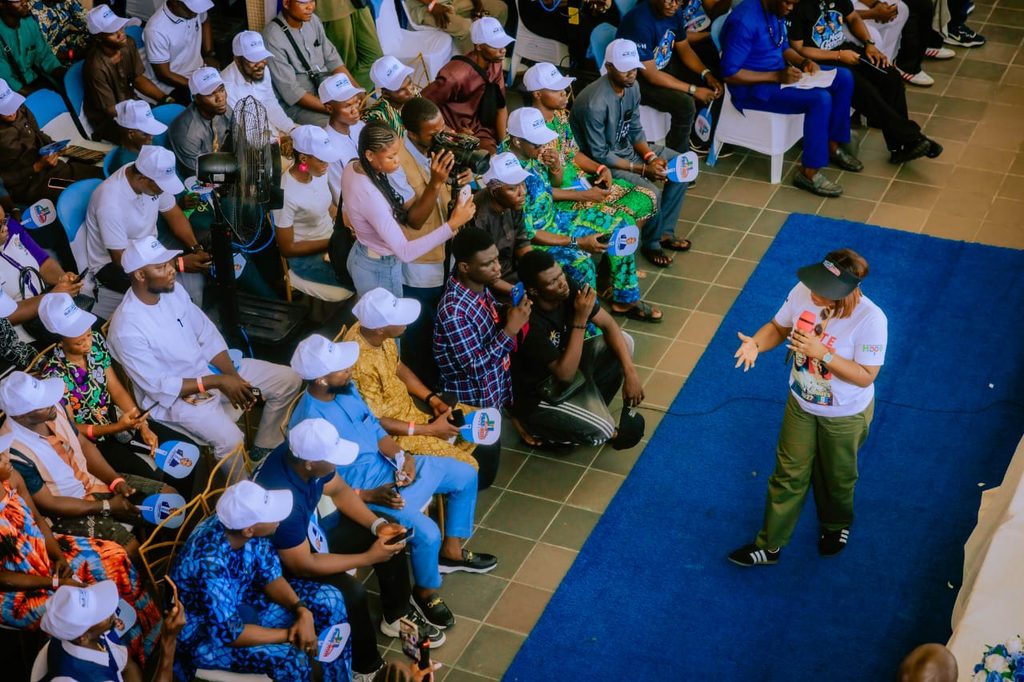
The dialogue also featured the participation of Mobolaji Ogunlende, Commissioner for Youth and Social Development, alongside other stakeholders from the New Generation Directorate.
READ ALSO: Nigeria seeks stronger global maritime cooperation at IMO in South Korea
The engagement provided an opportunity to discuss issues affecting riverine communities and explore ways to improve service delivery, youth development and inclusive growth.
Participants called for stronger communication between communities and public institutions, improved access to government initiatives and greater representation of young people in development planning.
They also emphasised the need for interventions tailored to the distinct geographical and socioeconomic challenges facing coastal and riverine settlements.
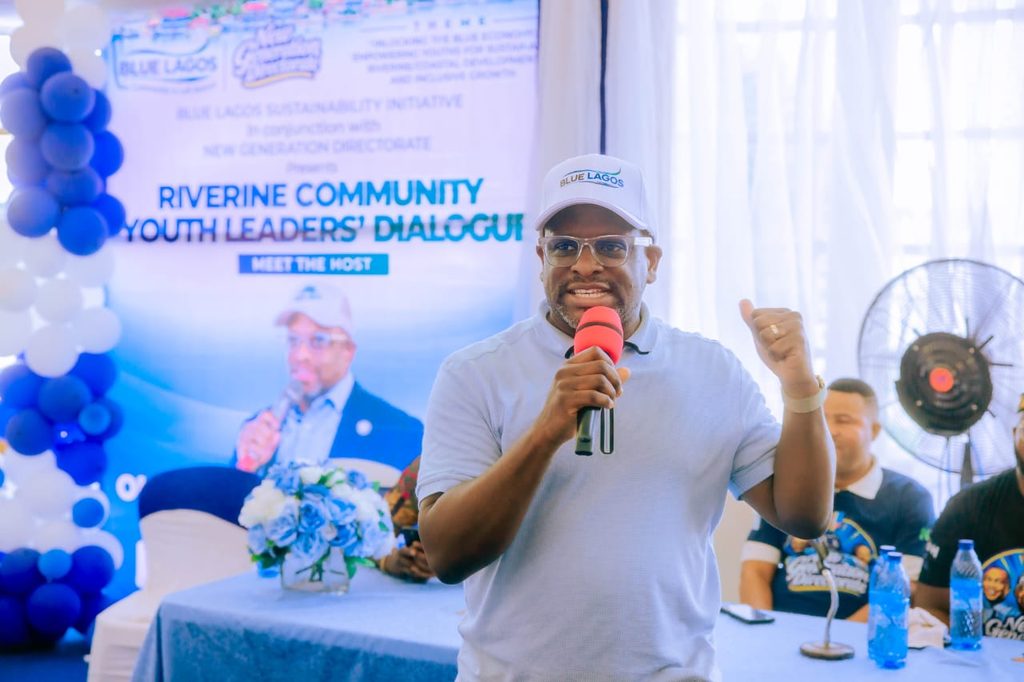
With 250 participants representing 125 communities, the dialogue sought to expand grassroots participation and bring the concerns of underserved communities into broader discussions on governance and development.
The organisers said collaboration among government institutions, community leaders, youth organisations, civil society groups and other stakeholders was essential to addressing the challenges facing Lagos State’s riverine communities.
For the Blue Lagos Sustainability Initiative, the engagement represents part of its efforts to strengthen grassroots participation, promote inclusive governance and expand development opportunities within the state’s blue economy.