A major cultural collaboration between Nigeria and the Benin Republic is set to take centre stage as organisers of the Festival International des Arts du Benin (FInAB) unveil plans for a dedicated “Nigeria Day” during the festival’s fourth edition in Cotonou.
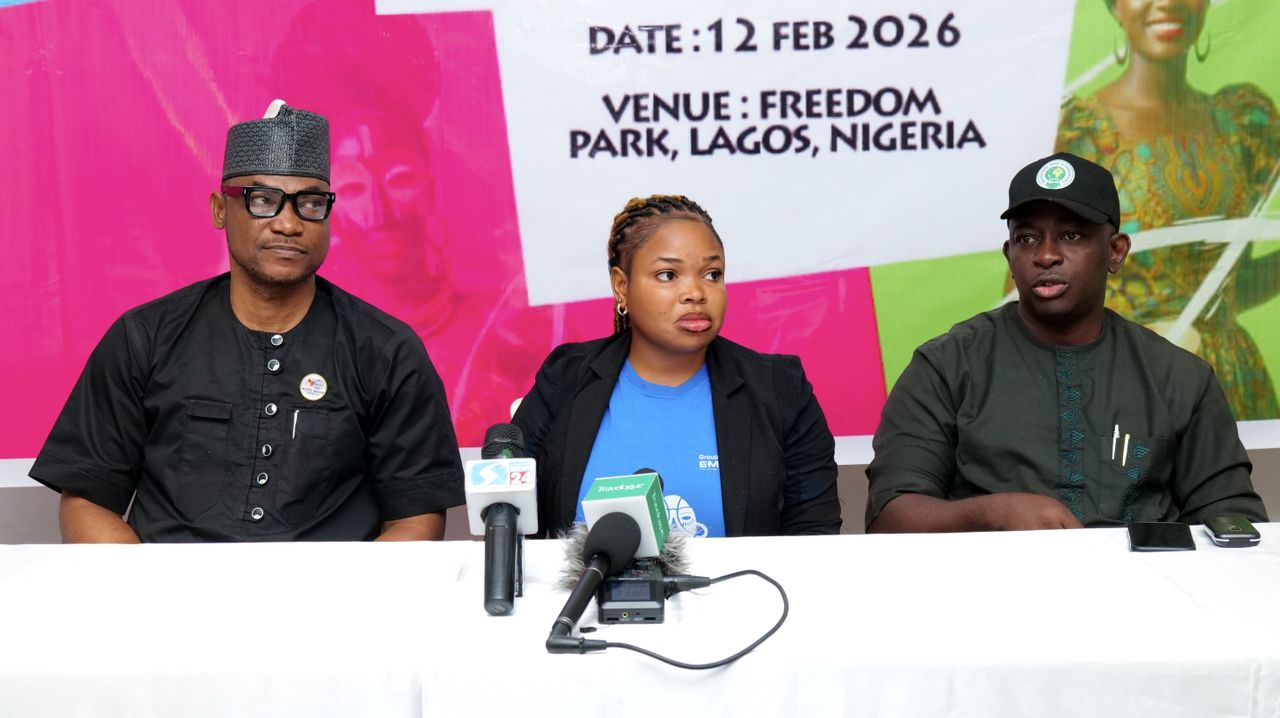
The announcement was made at a high-profile press conference held on February 12, 2026, at Freedom Park in Lagos, where Ulrich Adjovi, President of Empire Group, represented by Project Manager Victory Francis, formally briefed Nigerian media on the initiative.
Scheduled for February 21 at Family Beach in Cotonou, “Nigeria Day” will form part of the broader festival running from February 20 to March 1, positioning the event as a platform for cross-border cultural diplomacy between two of West Africa’s most historically connected nations.
Themed “Benin-Nigeria: Creativity, Cultural Power, and Regional Unity,” the initiative is expected to draw prominent Nigerian cultural figures, artistic troupes, VIP guests, and representatives from the Nigerian Embassy.
Convener of the press conference and CEO of Kalo Africa Media, Ambassador Kazeem Balogun, described the collaboration as timely, noting that President Bola Ahmed Tinubu recently reopened the border between both countries to facilitate the movement of goods and people.
Also present was Ayo Omotoso, CEO of Travelogue and one of the festival’s media partners.
In a presidential address delivered by Francis, Adjovi said FInAB has grown from a bold concept into what he described as a continental movement aimed at providing African artists with a structured platform to connect with international buyers, gallerists, and distributors.
Founded in 2023, the festival has hosted more than 200,000 visitors across its first three editions, showcased over 500 African artists, and generated millions in trade through its Tokp’Art Market, while boosting Benin’s reputation as a viable destination for arts and cultural investment.
Adjovi emphasised that African art should be viewed not only as heritage but also as a powerful economic driver, adding that the festival integrates seven creative sectors, including music, cinema, fashion, literature, dance, gastronomy, and craftsmanship.
Highlighting the rationale behind dedicating a full day to Nigeria, he described the country as “the heartbeat of African creativity,” citing the global influence of Afrobeats and the commercial strength of Nollywood.
According to him, the initiative is designed to dissolve “invisible borders” between Lagos and Cotonou while creating a unified creative corridor stretching from Porto-Novo to Yaba.
Organisers say the plan includes harmonising policies for artist mobility, facilitating cross-border trade in cultural goods, and strengthening the Benin–Nigeria axis as a globally competitive creative hub.
The Seme border, long regarded as a commercial gateway, is now being reimagined as a cultural bridge.
Tracing the festival’s evolution, Adjovi noted that the inaugural 2023 edition focused on cross-cultural exchange with Morocco as guest of honour, while subsequent editions expanded international participation and consolidated the festival’s business model through corporate sponsorship and digital innovation.
Describing the partnership as a “sleeping economic giant,” organisers pointed to the combined population of more than 230 million people in both countries, driven largely by a youthful demographic with strong creative potential.
Through “Nigeria Day,” FInAB aims to integrate markets for creative exports, empower young talents through workshops and masterclasses, advocate improved infrastructure for artists, and build a shared cultural brand capable of commanding global attention.
“Today, we don’t just celebrate two nations; we celebrate one vision — a future where the Benin-Nigeria axis becomes the world’s most vibrant hub for the arts,” Adjovi said.
Backed by cultural leaders, private sector players, and diplomatic stakeholders, FInAB 2026 is expected to redefine regional collaboration in Africa’s creative economy, positioning art as both policy and commerce while strengthening cultural ties across borders.