
By Seun Ibiyemi
The Nigerian naira traded with relative stability on Tuesday, amid continued fluctuations in the foreign exchange market, reflecting cautious optimism driven by improving liquidity and market reforms.
Latest data from market trackers indicate that the naira hovered around the ₦1,360–₦1,370 range against the United States dollar in the official Nigerian Foreign Exchange Market (NFEM), showing only marginal day-on-day movements.
The currency opened close to ₦1,370/$ and traded within a narrow band during the session.
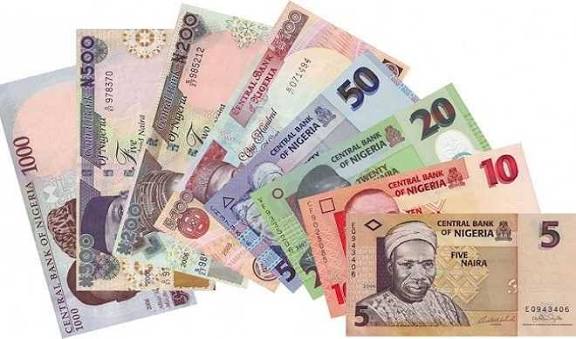
This performance suggests a steady trend compared to recent sessions, where the naira has oscillated between gains and losses due to shifts in foreign exchange supply and demand dynamics. Over the past week, the currency has largely remained within the ₦1,350 to ₦1,380 range, indicating short-term stability despite underlying pressures.
Analysts attribute the relative calm in today’s trading to sustained interventions and policy reforms by the Central Bank of Nigeria (CBN), which have helped boost investor confidence and improve dollar liquidity.
Earlier in March, the naira recorded modest appreciation, strengthening to around ₦1,376/$ at the official window, signaling gradual recovery after periods of volatility.
However, pressures persist in the parallel market, where the naira continues to trade at slightly weaker levels compared to the official rate, reflecting ongoing demand for foreign currency outside formal channels.
Read also:CERAWeek 2026: Nigeria’s energy future hinges on execution, partnerships — NNPC GCEO
Economic experts note that while the naira’s current stability is encouraging, its outlook remains tied to key factors such as foreign exchange inflows, oil revenue performance, and broader macroeconomic reforms.
Overall, today’s performance underscores a cautiously stable trajectory for the naira, as authorities continue efforts to sustain liquidity and narrow exchange rate disparities across markets.