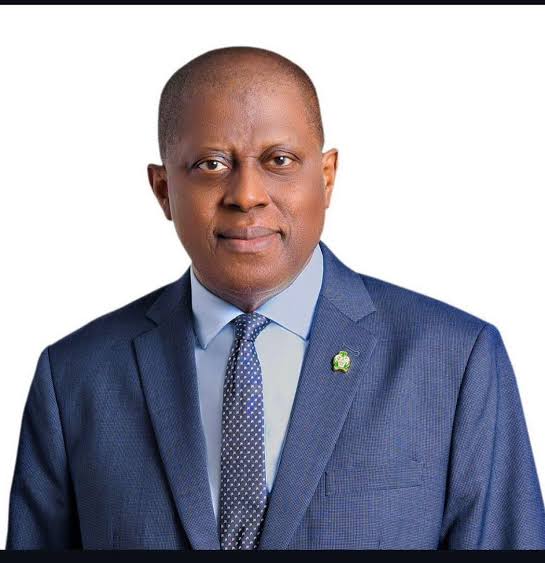
The Governor of the Central Bank of Nigeria (CBN), Mr. Olayemi Cardoso, has urged developing economies to pursue coordinated reforms in digital cross-border payments to drive inclusive growth, enhance financial stability, and deepen global financial integration.
Speaking at the 2026 G-24 Technical Group Meetings (TGM) in Abuja, Cardoso stressed that efficient and modern payment systems are critical to economic inclusion, particularly for households and Micro, Small and Medium Enterprises (MSMEs).
He noted that high remittance costs, settlement delays, fragmented payment systems, and heavy compliance requirements continue to limit participation in global trade.
According to him, global remittance corridors still cost over six per cent on average, with settlement delays stretching for several days, effectively excluding millions from fully engaging in modern economic activities.
Cardoso explained that digital innovation through interoperable platforms, instant payment systems, distributed ledger technology, and strong digital identity frameworks presents a historic opportunity to lower transaction costs, shorten settlement times, and broaden financial inclusion.
Highlighting Nigeria’s domestic reforms, the CBN Governor said the apex bank has strengthened regulatory and supervisory frameworks, improved oversight of payment infrastructure providers, and enhanced interoperability across payment channels.
He disclosed that Nigeria launched the National Payment Stack in June 2025, a next-generation real-time payment system built on ISO 20022 messaging standards to support multi-currency and cross-border transactions.
Cardoso further revealed that Nigeria has implemented simplified Know Your Customer (KYC) and Anti-Money Laundering (AML) requirements for low-value cross-border transactions to encourage broader participation in the Pan-African Payment and Settlement System (PAPSS), thereby supporting intra-African trade payments for Nigerian SMEs.
In addition, he said new remittance channels including the Non-Resident Nigerian Ordinary Account (NRNOA), the Non-Resident Nigerian Investment Account (NRNIA), and the Non-Resident BVN platform have strengthened diaspora engagement and boosted foreign inflows, which now average about 600 million dollars monthly.
While underscoring the transformative potential of digital cross-border payments, Cardoso cautioned that the rapid growth of private digital platforms and stablecoins could pose risks to monetary transmission, exchange rate stability, and financial system resilience if not adequately regulated.
He emphasised the need for strong governance frameworks, regulatory coordination, and central bank leadership to safeguard monetary sovereignty and ensure financial stability.
Cardoso reaffirmed Nigeria’s commitment to working closely with the Group of 24 (G-24), the International Monetary Fund (IMF), the World Bank Group, and other partners to build a more inclusive, resilient, and development-oriented global financial architecture.
The G-24 Technical Group Meetings, themed “Mobilising finance for sustainable, inclusive, and job-rich transformation,” brought together finance ministers, central bank governors, and global financial stakeholders to deliberate on modernising global finance in support of emerging and developing economies.