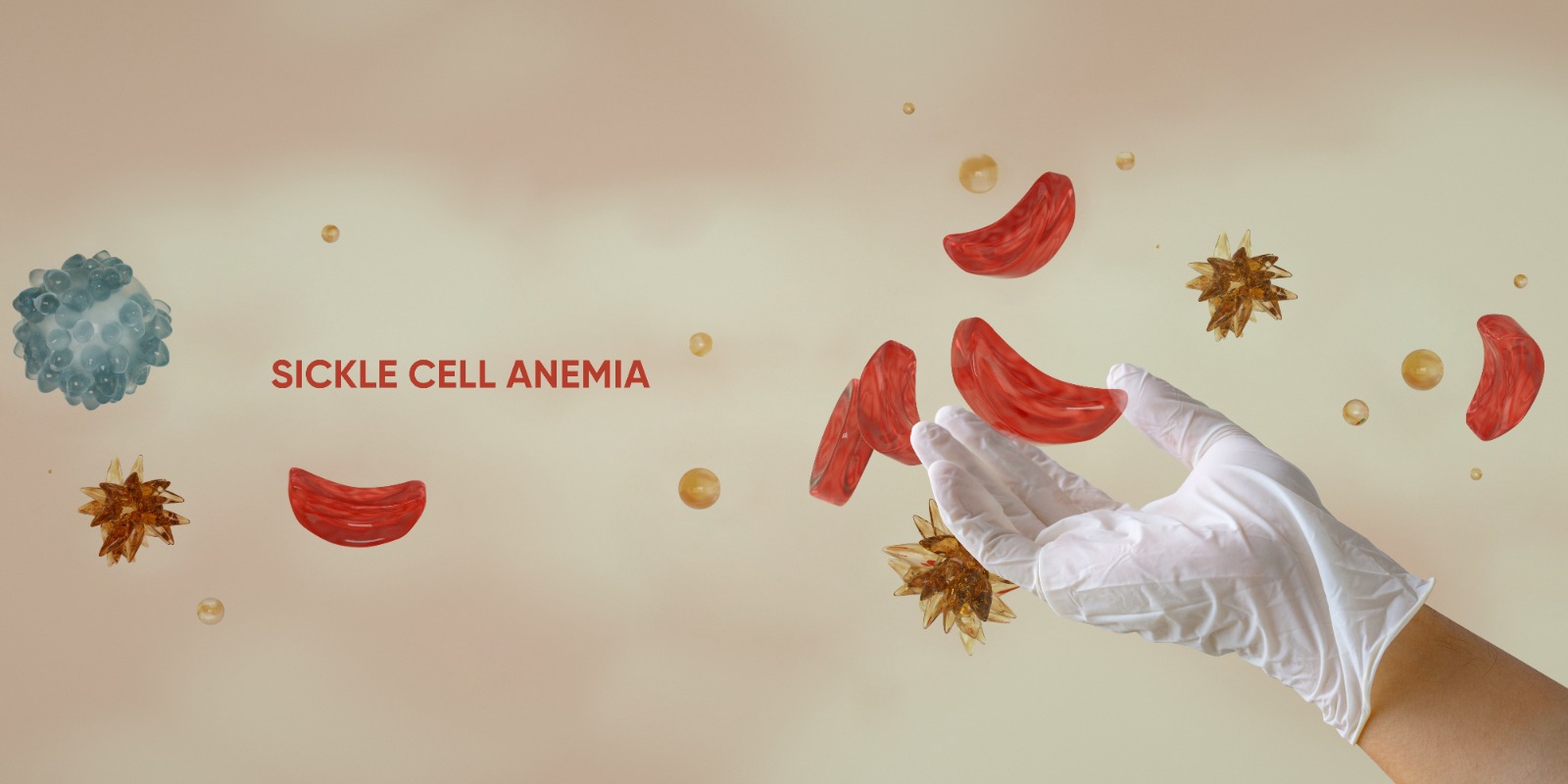
A major international study published in The Lancet Child & Adolescent Health has revealed that Nigeria bears the highest burden of sickle cell disease (SCD) globally, with more than 1.5 million children under the age of 15 living with the condition.
The study further estimates that nearly nine million children across sub-Saharan Africa were living with sickle cell disease in 2023, including about 1.17 million infants and 2.75 million children under five, who are at the highest risk of early death without timely medical intervention.
Nigeria accounts for the largest share of this burden, significantly ahead of other high-prevalence countries such as the Democratic Republic of the Congo and Ethiopia.
Researchers say the findings highlight both the severity of the health challenge and the opportunity for Nigeria to lead regional efforts in reducing preventable childhood deaths.
The study was led by Professor Davies Adeloye of Teesside University, United Kingdom, and Director of the International Society of Global Health (ISoGH).
It analysed data from 40 studies across 22 African countries, producing what is described as the most comprehensive country-level estimate of childhood sickle cell disease to date.
Sickle cell disease is an inherited blood disorder present from birth. Experts say early diagnosis and simple, low-cost interventions—such as newborn screening, penicillin prophylaxis, routine vaccinations, malaria prevention, and hydroxyurea treatment—can significantly reduce complications and prevent early deaths.
However, the study notes that access to these interventions remains limited in Nigeria. Many children are diagnosed only after severe complications occur, while others are never diagnosed at all, contributing to high levels of preventable illness and mortality.
Professor Adeloye described Nigeria as being “at the centre of the global sickle cell crisis,” stressing that the tools needed to address the disease already exist.
He called for stronger integration of newborn screening and treatment into Nigeria’s maternal and child health systems, noting that such measures could save hundreds of thousands of young lives
Read Also:Tinubu sparks cabinet shake-up as Wale Edun, Dangiwa exit FEC
The researchers also urged strengthened health system responses, including expanded newborn screening programmes, improved access to essential medicines and vaccines, and integration of sickle cell care into primary healthcare services. They further recommended increased domestic investment, supported by international partnerships, alongside stronger data systems for better surveillance and policy planning.
The study concluded that even modest improvements in early detection and treatment in high-burden countries like Nigeria could significantly improve child survival rates and reduce preventable deaths.