
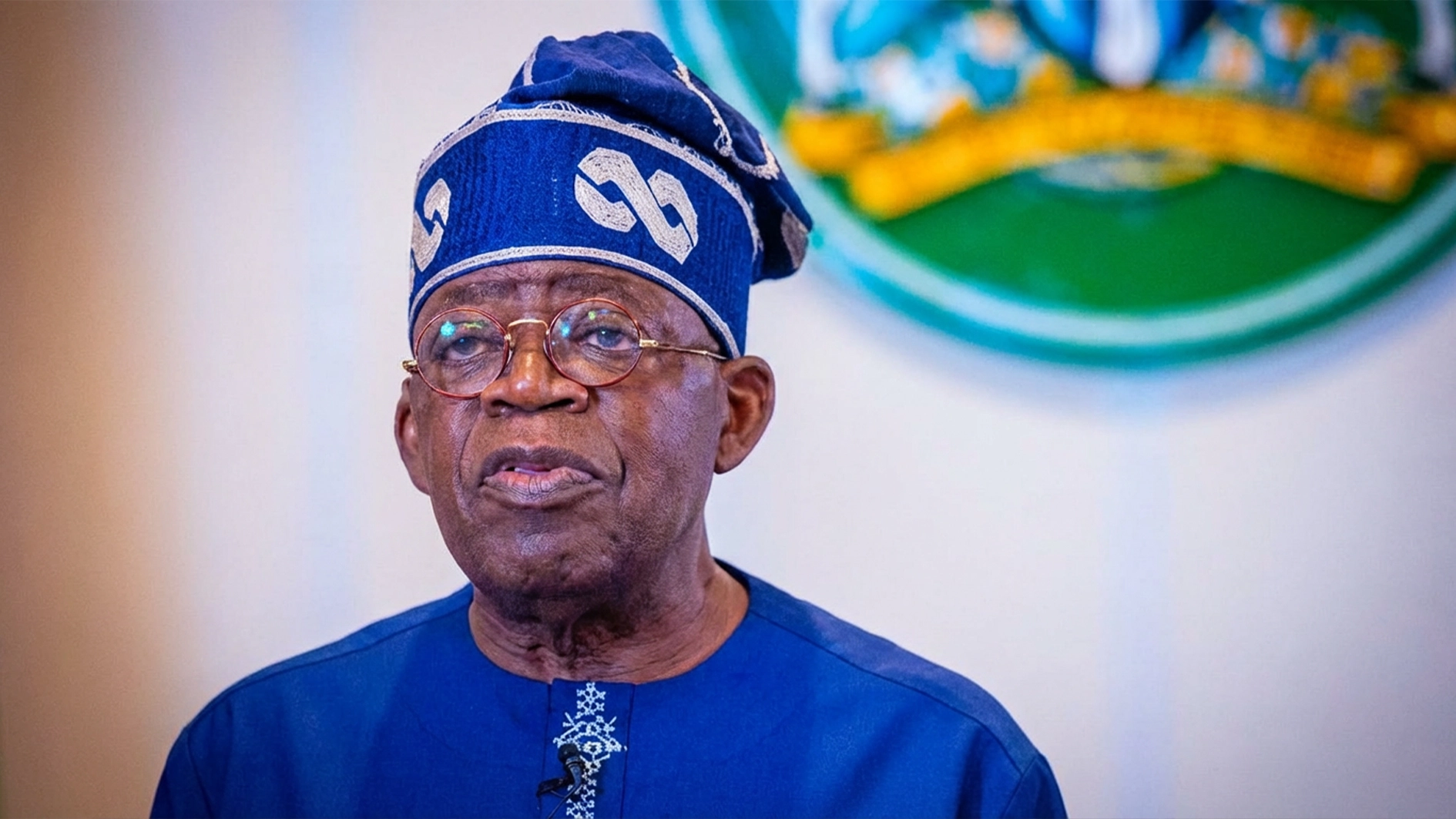
President Bola Tinubu on Tuesday unveiled Nigeria’s Industrial Policy 2025, directing relevant Ministries, Departments and Agencies (MDAs) to ensure its speedy implementation as part of efforts to strengthen the country’s economic foundation.
The policy was inaugurated on the president’s behalf by Vice-President Kashim Shettima at the Bola Ahmed Tinubu International Conference Centre in Abuja.
Tinubu described the document as a roadmap for re-engineering Nigeria’s industrial base, noting that it is designed to unlock value across key sectors while placing production, competitiveness, and job creation at the centre of the nation’s economic strategy.
He lamented that Nigeria had long struggled with fragmented value chains, high production costs, infrastructure gaps, policy inconsistency, and weak coordination between government and industry.
“Industrialisation is not a wish you think about; it is an action you perform,” the president said, stressing that the task requires coherence across energy, trade, infrastructure, finance, skills, and innovation, as well as strong partnerships between government and the private sector.
Tinubu emphasised that his administration, which assumed office in 2023, would prioritise execution over documentation.
“The defining strength of this policy is its insistence on implementation.
This administration will not measure success by the number of documents we produce,” he said.
“We will measure success by the number of factories that open their gates at dawn, the jobs created for our young men and women, the exports that leave our ports bearing the mark of Nigerian excellence, and the value retained within our economy.”
According to the president, the policy focuses on strategic sectors aligned with Nigeria’s comparative advantages, promotes value chain development to shift the country from exporting raw materials to producing finished goods, and integrates micro, small, and medium enterprises into industrial growth.
It also aligns infrastructure and energy with industrial ambitions while strengthening skills, technology, and innovation to prepare the workforce for emerging industries.
Tinubu commended the Minister of State for Industry, John Owan Enoh, for what he described as disciplined leadership and clarity of purpose in driving the process.
He also praised the ministry’s technical teams, manufacturers, investors, and other stakeholders for shaping the policy.
Meanwhile, President of the Dangote Group, Aliko Dangote, welcomed the initiative, describing it as a progressive step for the nation’s industrial development.
Dangote noted that Nigeria is unique in Africa for having a private sector larger than the government and expressed optimism about the country’s economic outlook, predicting that the naira could strengthen to about ₦1,000 to the dollar within the year.
He added that growing exchange rate stability and ongoing economic reforms were encouraging investors to consider Nigeria but stressed the need to protect indigenous industries.
“If there is no protection, there is no way any industry will thrive here,” he said.