By David Oluwatosin
The Senate is considering a bill seeking to impose up to six months’ imprisonment or a fine of ₦300,000 on hospitals and healthcare providers that violate proposed emergency medical treatment standards.
The proposed legislation also seeks to compel public and private hospitals to assess emergency patients within 15 minutes of arrival, commence initial stabilisation within 30 minutes and complete referrals to other facilities within three hours where necessary.
Sponsored by Senator Abdulaziz Yar’Adua, the bill seeks to amend the National Health Act, 2014, to establish enforceable standards for emergency medical treatment, healthcare workers’ training and patient referral procedures.
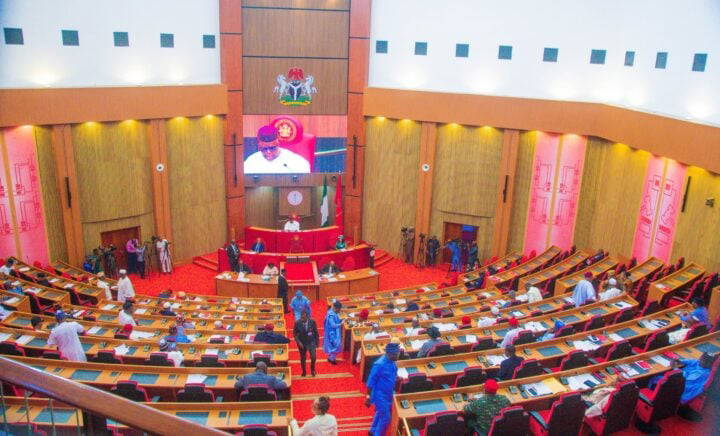
Leading the debate during Wednesday’s plenary, Yar’Adua said the proposed amendment would address critical gaps in Nigeria’s healthcare system and ensure that patients receive timely, life-saving treatment during emergencies, irrespective of their social status, wealth, influence or location.
He said the Medical and Dental Council of Nigeria and the Nursing and Midwifery Council of Nigeria would jointly develop and maintain a standardised national emergency care curriculum.
Under the proposal, healthcare workers involved in emergency medical care would be required to undergo training and certification at intervals not exceeding 18 months.
The bill further provides that public and private healthcare facilities licensed to provide emergency medical care must commence triage and initial assessment within 15 minutes of a patient’s arrival at the emergency department.
Where a licensed medical doctor is unavailable, a trained and certified nurse may conduct the triage.
Yar’Adua said any person or health facility found guilty of violating the proposed provisions would be liable, upon conviction, to a fine not exceeding ₦300,000, imprisonment for up to six months, or both.
The proposed amendment also requires hospitals to begin basic stabilisation measures, including oxygen therapy, intravenous fluids, pain relief and preliminary diagnostic procedures, within 30 minutes of a patient’s arrival.
It further mandates immediate life-saving interventions, including cardiopulmonary resuscitation, airway management and bleeding control, once a life-threatening condition is identified.
For patients requiring admission, hospitals would be required to assign beds within two hours, subject to availability.
However, facilities without available beds must immediately stabilise patients and commence referral arrangements within two hours of arrival or as soon as the patient has been assessed and considered stable for transfer.
The bill also requires hospitals to begin ambulance dispatch or arrange alternative transportation within 30 minutes of deciding to refer a patient.
READ ALSO:Tinubu’s education reforms deliver ₦372.62bn student loans, 156,446 TVET beneficiaries – APC
Yar’Adua said the proposed amendment was consistent with international practices, citing emergency care standards in Ghana, South Africa, Kenya, the United Kingdom and the United States.
Supporting the bill, the Senate Whip, Senator Mohammed Monguno (APC, Borno North), said the legislation would address avoidable deaths arising from road accidents and maternal emergencies.
Monguno lamented that some healthcare providers neglected emergency patients, resulting in preventable deaths. He said the proposed legislation would introduce criminal liability for violations of emergency treatment standards.