By Seun Ibiyemi
The Chairman of the Rural Electrification Agency (REA), Ayodele Fayose, has described the Renewable Asset Management Company (RAMCO) as a major development capable of transforming Nigeria’s electricity sector by ensuring the sustainability and efficient management of renewable energy infrastructure.
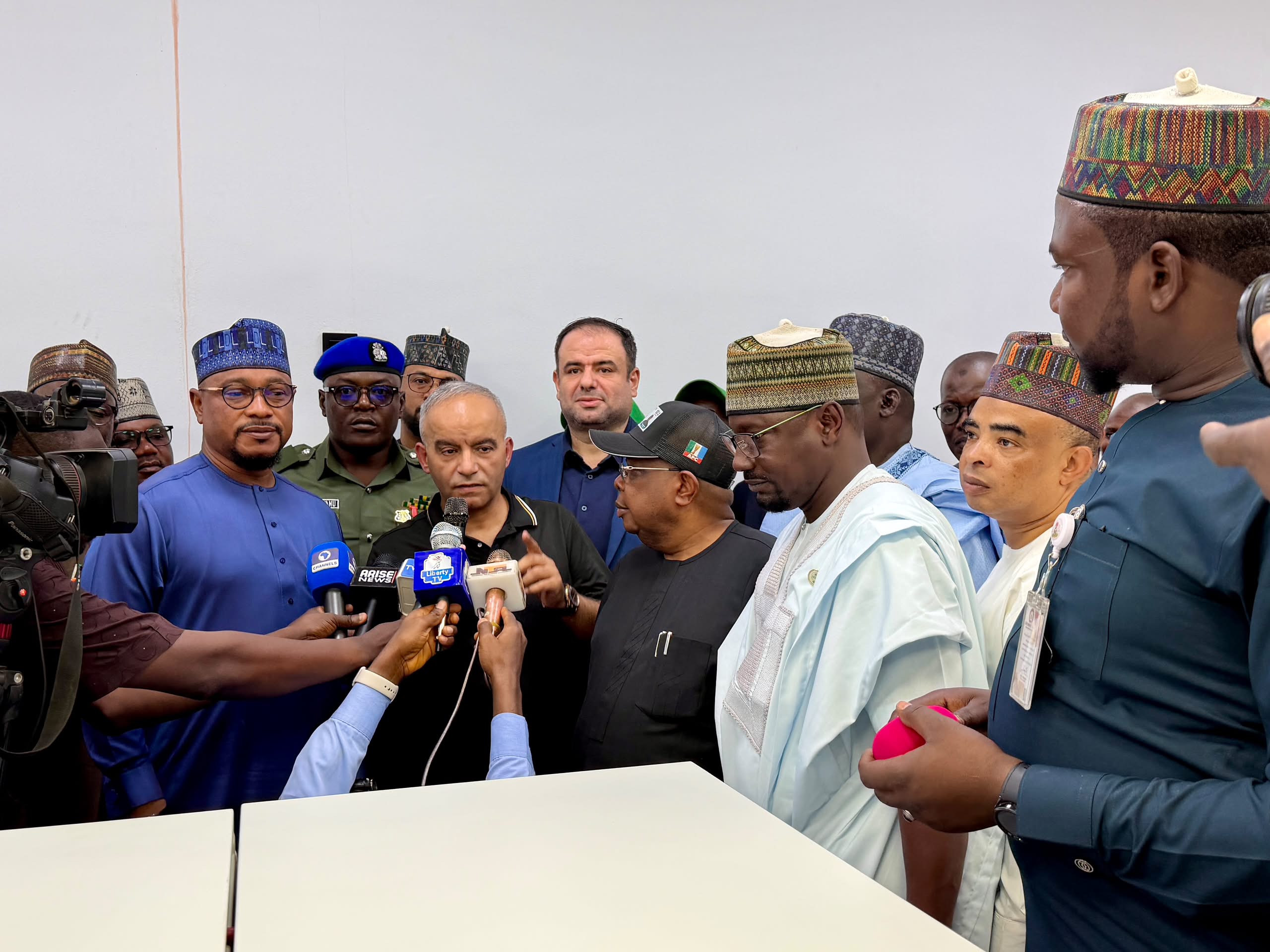
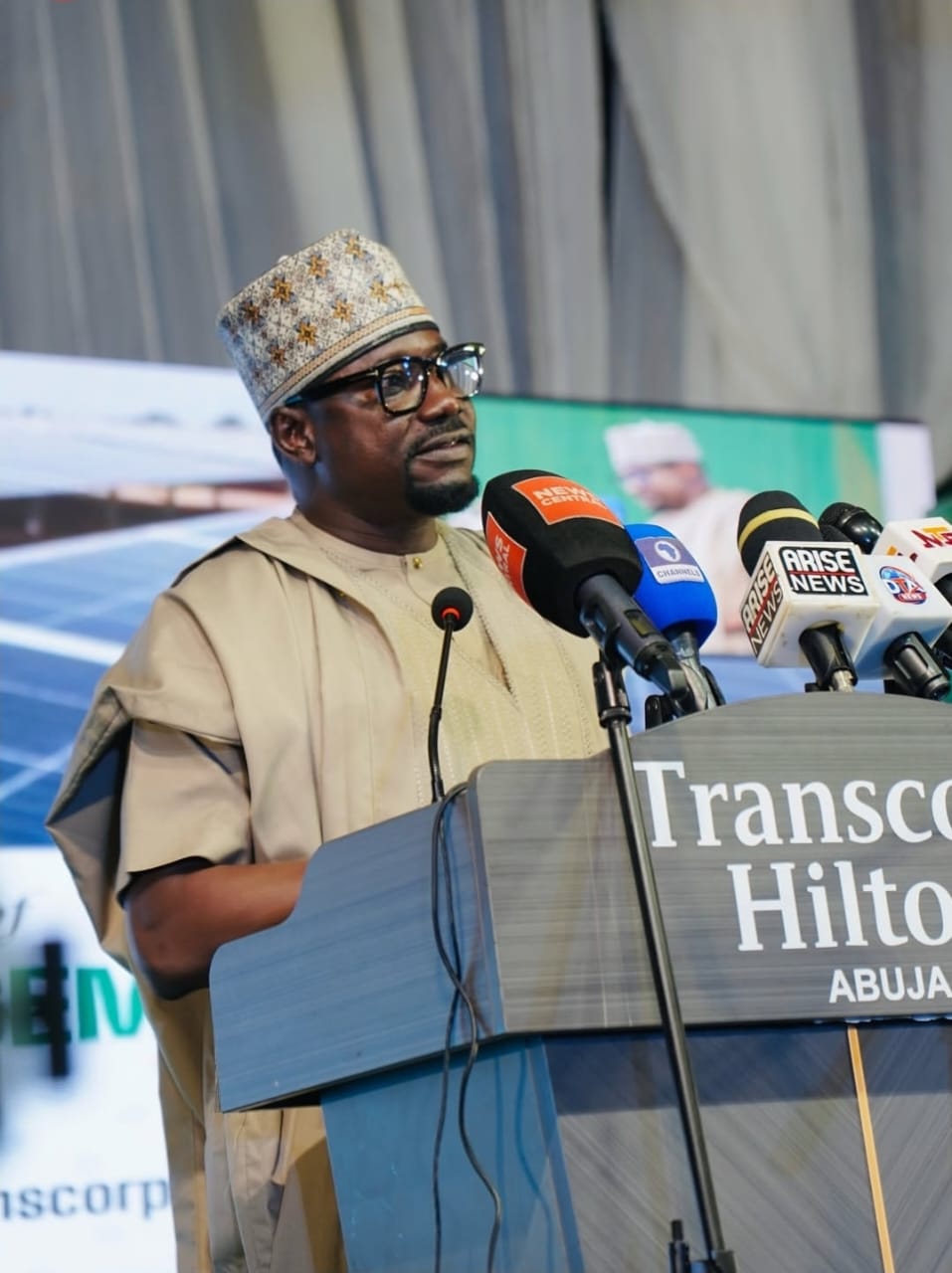
Fayose made the remarks in Abuja at the launch of RAMCO, where he commended the REA management for maintaining institutional continuity and advancing initiatives aimed at improving electricity access.
He stressed that the development of new power projects must be matched with effective maintenance and operational management to ensure that the infrastructure continues to deliver value.
According to him, Nigerians must also develop a stronger sense of ownership towards public infrastructure, noting that electricity assets would have a longer lifespan if communities protected and maintained them.
Speaking at the event, the Minister of Power, Joseph Tegbe, said renewable energy had become an integral part of Nigeria’s energy mix and announced plans by the Federal Government to deploy mini-grids in areas experiencing transmission deficits.
He said RAMCO was established to improve the sustainability and reliability of renewable energy assets while addressing the gap between access to electricity and the long-term viability of power infrastructure.
Tegbe disclosed that the government was conducting a technical audit of electricity infrastructure that is more than 42 years old, with plans to replace obsolete facilities with modern assets.
He also said the government would optimise energy assets through aggregation by linking available energy resources to high-demand clusters.
The minister further disclosed plans to revisit the East-West supergrid project as part of efforts to strengthen the resilience of the national electricity grid.
He said the Federal Government was targeting electricity generation of 6,500 megawatts by year-end and 8,000MW by the end of 2026.
Tegbe also announced plans to put 21 dormant dams to productive use, including dams located along the Sokoto-Badagry expressway corridor, which he said would be developed for commercial purposes.
“Public investment must be matched by discipline to protect the assets,” the minister said.
He further directed the Ministry of Finance Incorporated to prioritise grid and transmission assets, clarifying that the government was not planning to sell off the assets but would instead place them on a stronger balance sheet to ensure optimal utilisation.
The Managing Director and Chief Executive Officer of REA, Abba Aliyu, described RAMCO as the future of productive renewable energy asset utilisation.
Aliyu said the initiative would reduce the pressure on government finances by unlocking private capital and new revenue streams for the long-term sustainability of off-grid electricity infrastructure.
“RAMCO will reduce Nigeria’s dependence on government budgets, sovereign borrowing, and development finance to expand electricity access,” he said.
He explained that the new model would allow existing renewable energy assets to generate predictable revenues that could be aggregated and leveraged to attract additional private investment.
According to him, mature renewable energy assets could also be refinanced or recycled under appropriate commercial and regulatory frameworks, thereby releasing liquidity for new projects.
Aliyu added that RAMCO would support the development of local manufacturing capacity for renewable energy equipment.
He disclosed that the REA had entered into a joint development arrangement with MOFI and InfraCorp, involving German manufacturers, to produce solar modules, batteries, inverters and street-lighting equipment, as well as develop solar asset recycling capacity.
The Managing Director and CEO of MOFI, Armstrong Takang, said RAMCO would play an important role in supporting Nigeria’s ambition of becoming a $1tn economy.
He argued that the country needed to properly account for its capital assets and explore ways of generating revenue from them, rather than focusing solely on its debt profile.
Similarly, the Managing Director of InfraCorp, Lazarus Angbazo, described RAMCO as a landmark outcome of collaboration among the participating institutions.
He said a portfolio of properly managed renewable assets could unlock asset-backed financing, credit enhancement and long-term institutional capital.
“Infrastructure does not create value simply because it has been commissioned; it creates value because it continues to work,” Angbazo said.
He explained that RAMCO would provide stewardship for renewable energy assets by maintaining, optimising and restoring underperforming systems to ensure continued service delivery.
The Director-General of the Budget Office of the Federation, Tanimu Yakubu, also welcomed the initiative, saying RAMCO would provide investors with a transparent portfolio supported by lifecycle planning and credible performance monitoring.
He said the initiative would strengthen Nigeria’s position as a destination for global renewable energy investment.
Meanwhile, the Minister of State for Health and Social Welfare, Iziaq Salako, said reliable electricity was critical to the effective operation of Nigeria’s healthcare system.
Salako said between 60 and 70 per cent of public health facilities in the country experience severe power outages or energy poverty, while some teaching hospitals spend up to half of their operating budgets on diesel.
He described RAMCO as a critical operational link for the Presidential Nigeria Power-for-Health Initiative, which targets the electrification of at least 30 per cent of health facilities by the end of 2027.
READ ALSO:NIMASA tightens cabotage enforcement, moves to protect jobs for Nigerians
According to him, more than 30 per cent of solar systems installed in primary healthcare centres historically fail within three years because of inadequate maintenance funding, lack of spare parts and poor post-commissioning ownership.
He proposed that healthcare facilities be recognised as a distinct asset class under RAMCO, with energy management integrated into hospital operations and energy audit data unified to improve planning.
Salako also called for part of the capital recycled through RAMCO to be channelled into sustaining off-grid power systems in primary healthcare centres.