By Seun Ibiyemi
The Independent Petroleum Marketers Association of Nigeria (IPMAN) and the Petroleum Products Retail Outlets Owners Association of Nigeria (PETROAN) have rejected calls for the reinstatement of petrol subsidy, arguing that the government should instead focus on reviving Nigeria’s refineries and critical petroleum infrastructure.
The two major downstream petroleum groups made their positions known in separate interviews with DAILY POST on Monday while reacting to the renewed debate over fuel subsidy following former Vice President Atiku Abubakar’s call for its restoration.
IPMAN spokesperson, Chinedu Ukadike, said bringing back subsidy would not address the fundamental challenges in the downstream sector, stressing that increased domestic refining capacity would be more effective in reducing petrol price volatility.
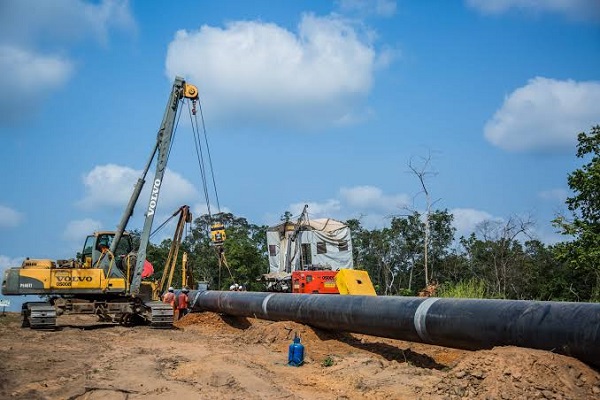
According to him, the Federal Government should prioritise the rehabilitation of the Port Harcourt, Warri and Kaduna refineries, as well as the country’s pipelines and petroleum depots.
“All these things are negative. The issue before this President is the restoration of all the refineries that are working in Nigeria. The restoration and revival of all the pipelines,” Ukadike said.
He also called for the revival of the 21 petroleum depots across the country, arguing that increased competition among domestic refiners would help drive down petrol prices.
“Whether we remove subsidy or not does not arise because competition will calm down the price volatility and reduce prices drastically,” he added.
Ukadike further argued that stronger domestic refining capacity would reduce Nigeria’s dependence on imported petroleum products and lessen the sector’s exposure to fluctuations in the foreign exchange market.
He therefore urged Atiku to focus on policies that would increase domestic refining rather than advocating the return of subsidy.
On his part, PETROAN National President, Billy Gillis-Harry, strongly opposed the proposed return of subsidy, describing the former subsidy regime as a lost opportunity for Nigeria.
Gillis-Harry said previous administrations had borrowed substantial funds to finance petrol subsidy instead of investing the resources in infrastructure, human capital and other productive sectors.
“The subsidy that we were operating under all the administrations was a stark loss of opportunity for the future of Nigeria,” he said.
He argued that President Bola Tinubu was right to remove the subsidy on May 29, 2023, noting that the issue had been extensively debated by presidential candidates during the 2023 election.
Gillis-Harry questioned the sustainability of any proposal to bring petrol prices down to about N500 per litre, asking where the funding for such an intervention would come from.
He also challenged the proposal to subsidise crude oil supplied to domestic refiners, arguing that crude production carries real economic costs that cannot simply be ignored.
“How do you subsidise one barrel of production? Is the cost of producing one barrel of crude oil not real?” he asked.
READ ALSO:RAMCO will transform Nigeria’s renewable energy sector – Fayose
The PETROAN president also questioned Atiku’s record in government, asking what was achieved during his tenure as vice president before advocating a return to subsidy.
He urged proponents of subsidy to provide detailed economic calculations showing the cost of crude oil production and clearly identify what aspect of the petroleum value chain should be subsidised.
Gillis-Harry maintained that the removal of subsidy had also forced Nigerians to become more financially disciplined and adapt to the realities of the market.
The disagreement comes amid an intensifying national debate over the future of petrol pricing ahead of the 2027 general elections, with supporters of subsidy restoration arguing that government intervention is needed to reduce the cost-of-living burden, while opponents say the policy could recreate the fiscal pressures associated with the former subsidy regime.