By Seun Ibiyemi
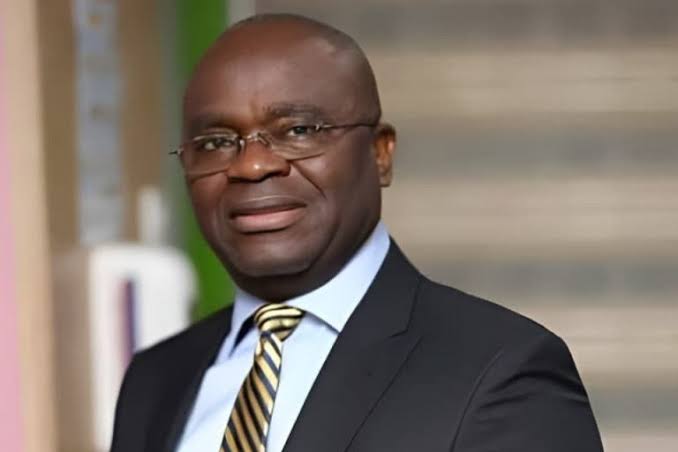
The Managing Director of the Nigerian Railway Corporation (NRC), Kayode Opeifa, has called for stronger collaboration between state governments and the Railway Police to safeguard railway infrastructure across the country.
Opeifa made the call during an interview on Sunrise Daily on Channels Television on Saturday, stressing that state governments must see the Railway Police as an integral part of their security architecture.
Read also:TCAN unveils plans for 2026 Transport Summit on economic growth through logistics
According to him, the Railway Police currently operates in 26 states and requires active support from state authorities to effectively protect rail facilities and mobility corridors.
He explained that railway infrastructure is a critical national asset that cuts across several states and plays a vital role in national development, adding that its security is closely tied to the safety of transportation corridors across the country.
Drawing from his experience as a former commissioner in Lagos State, Opeifa recalled how the Railway Police supported the state government during the cleanup of the Oshodi area, describing the collaboration as a clear example of effective inter-agency cooperation in protecting public assets.
“The history of the Nigerian Railway Corporation is the history of Nigeria itself,” he said, noting that many of the challenges facing the railway sector mirror broader national issues.
The NRC chief also traced the development of Nigeria’s modern rail system, noting that a major overhaul began in 2015 with the introduction of standard gauge rail lines.
He credited the administration of former President Muhammadu Buhari for commissioning major projects including the Abuja–Kaduna Railway, Warri–Itakpe Railway, Lagos–Ibadan Railway and the Abuja Rail Mass Transit, while also initiating the Port Harcourt–Maiduguri rail corridor.
Opeifa further highlighted the constitutional amendment that moved railway from the Exclusive List to the Concurrent List, explaining that the change has created opportunities for states such as Kano State, Ogun State and Plateau State to participate more actively in railway development.
He said his priority as managing director is to position the NRC as a major driver of national integration and economic growth while ensuring that the corporation operates in line with international best practices.
According to him, railway systems in many developed countries are treated primarily as social infrastructure, noting that Nigeria’s rail network already plays a similar role by facilitating mobility and economic activities across regions.
“Railway is an enabler of growth,” he said, adding that the Federal Government’s investments in rail projects in states such as Lagos, Kano and Kaduna are driven by their strategic economic importance.
The NRC boss also revealed that the corporation has developed a national rail map to guide the integration of state rail systems with the national network to improve connectivity across the country.
Highlighting developments along the eastern rail corridor, Opeifa described the Enugu main railway station as a large and modern facility with underground structures, noting that the corridor once contributed significantly to national revenue.
Looking ahead, he disclosed plans by the NRC to electrify major rail corridors within the next five years, beginning with Warri and Lagos where the availability of gas could support power generation for electric rail operations.
On concerns about ticket racketeering, Opeifa acknowledged that the problem exists largely due to high passenger demand but said the corporation has introduced additional verification procedures to curb the practice.
Passengers, he explained, are now subjected to double checks—first at the waiting area and again during boarding—an approach that has significantly reduced illegal ticket sales.
He also reassured passengers of the high level of security along the Abuja–Kaduna rail corridor, noting that train movements and station activities are monitored from a central control room.
Similar monitoring systems, he added, will be replicated across other rail lines nationwide.
Opeifa further announced that daily trips on the Abuja–Kaduna Train Service have been increased to three in response to growing passenger demand.
He added that the corporation is also exploring the tourism and entertainment potential of railway services as part of efforts to expand operations and achieve its long-term development targets.