By Seun Ibiyemi
The Managing Director of Parts Central Limited, Henry Olaoluwa Onifade, has called for the conversion of plastic waste, water hyacinth and other marine litter into economic wealth through recycling, biofuels and other value-added processes.
Onifade made the call in Lagos while interacting with maritime journalists during activities marking his birthday, where he also provided updates on the company’s nationwide waterways clean-up initiative in partnership with the National Inland Waterways Authority (NIWA).
He said the initiative was designed not only to remove waste from Nigeria’s waterways but also to establish sustainable systems for converting recovered materials into useful products.
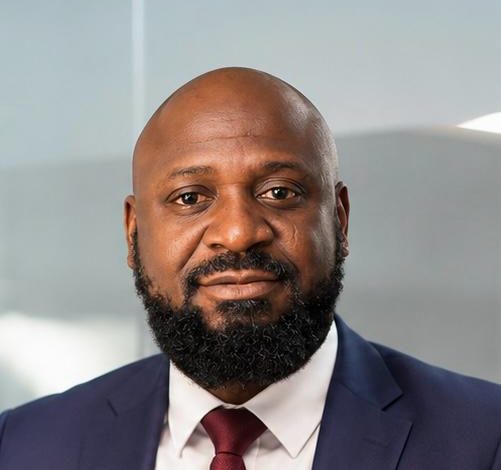
Declaring that “we don’t have waste anymore; waste is now wealth,” Onifade said biodegradable materials collected during the clean-up would not simply be discarded, as they could be processed for various applications, including biofuels and other products.
He added that the company was examining technologies for sorting and processing plastic waste for recycling, with the objective of creating an economically viable circular economy around Nigeria’s waterways.
Onifade said the growing interest from government agencies, ministries, associations and other stakeholders in cleaner waterways indicated that the initiative was addressing a critical national challenge.
He noted that the National Environmental Standards and Regulations Enforcement Agency (NESREA) was also engaging stakeholders on reducing plastic pollution in waterways.
“We are happy that we can even think of a possible pollution-free waterways and roll it out. Since we rolled it out, we’ve heard of different people, associations, organisations and states that are now talking about it, which is very good for us,” he said.
“Our goal is for us to have pollution-free waterways. By God’s grace, we will integrate everybody who has a very good and genuine mindset that pollution-free waterways is possible in Nigeria.”
The Parts Central boss disclosed that the company was preparing to extend the clean-up campaign beyond Lagos, with plans to flag off the exercise in Port Harcourt and Imo State as part of its broader expansion across the country.
He said the company was currently putting structures in place to ensure that the initiative was properly coordinated and supported by data before expanding to additional locations.
Onifade disclosed that Parts Central was developing a technology-driven database covering ports, jetties, landing sites, riverbanks, dockyards and other locations connected to Nigeria’s inland waterways.
According to him, the database would enable the company and relevant government stakeholders to determine the volume of waste generated across different locations and deploy resources more effectively.
He said every jetty and landing port would be assessed to determine whether appropriate waste-management facilities were available, while boats and other watercraft would also be incorporated into the data-gathering process.
“It’s not for us to have the data, because if you don’t have data of the people you want to cater for, you don’t know how to cater for them,” he said.
READ ALSO:CVFF: Oyetola targets 30,000 jobs as NIMASA processes 92 ship financing applications
Onifade explained that the company had spent considerable time testing different technologies and devices capable of tackling waterway pollution, adding that the exercise would eventually incorporate manufacturers and other stakeholders within the plastics and waste-management value chain.
The managing director stressed that the long-term vision was to create a nationwide system where waterways would not only be cleaner but would also become sources of employment, enterprise and wealth creation.
“Our goal is for us to have pollution-free waterways,” he reiterated, adding that the company would continue to work with government agencies, communities, private-sector operators and other stakeholders towards achieving the objective.
Onifade also defended his transition from partisan politics to business, saying the experience gained in politics had strengthened his understanding of public needs and motivated him to pursue practical solutions through enterprise.
“I took my own to the other side. I took it from politics to business,” he said.
He urged Nigerians to embrace the concept of converting environmental challenges into economic opportunities, concluding: “No more waste on the waterways; we will now have wealth on the waterways.”