By Seun Ibiyemi
Nigeria’s oil and gas production remains unaffected despite the ongoing industrial action by workers of the Nigerian Upstream Petroleum Regulatory Commission (NUPRC), which has disrupted administrative operations at the commission’s offices nationwide.
The assurance came on Monday as members of the Petroleum and Natural Gas Senior Staff Association of Nigeria (PENGASSAN) continued their protest over alleged irregularities in foreign training placements, effectively shutting down access to the commission’s headquarters and several offices across the country.
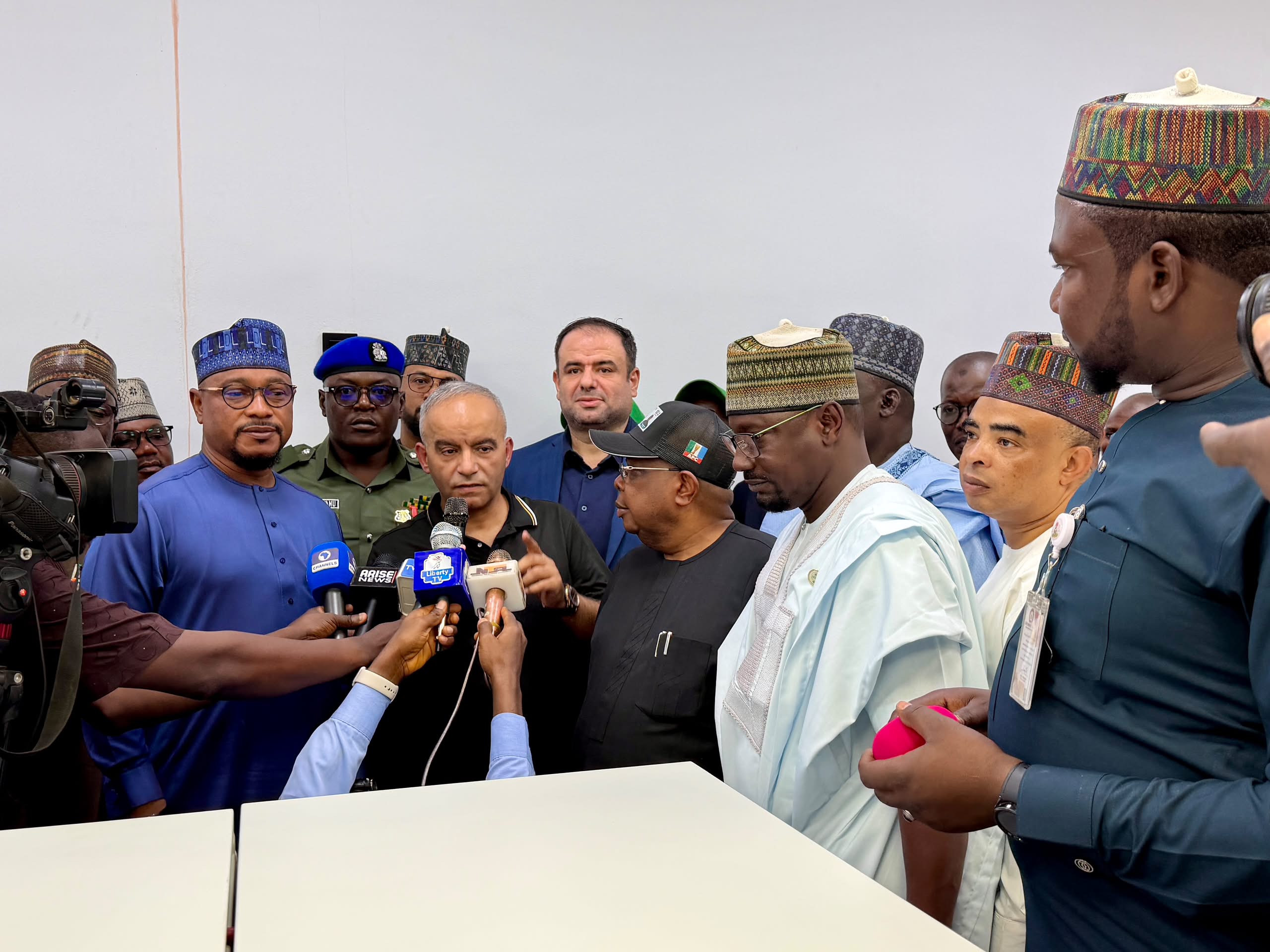
Speaking on the development, the Head of Corporate Communications and Media at NUPRC, Mr. Eniola Akinkuotu, said while some administrative activities had been affected by the strike, core regulatory and production operations in the oil and gas sector remained intact.
“It is true that some administrative activities were affected today due to industrial action taken by the unions. However, this has not in any way impacted activities in oil and gas facilities or production in general,” Akinkuotu said.
He added that the commission’s management had commenced discussions with labour representatives to resolve the dispute and restore normal operations.
“The top management of the commission is meeting with the unions in order to put an end to the strike and ultimately restore normalcy,” he stated.
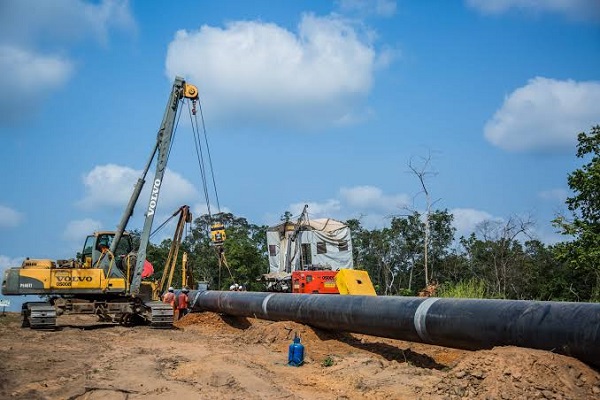
According to Akinkuotu, regulatory oversight functions and field monitoring activities across the country’s oil and gas facilities have continued uninterrupted despite the labour action.
The strike followed the breakdown of negotiations between NUPRC management and workers over issues relating to overseas training opportunities for staff.
Protesting workers accused management of irregularities in the selection process for foreign training programmes and blocked access to the commission’s headquarters, forcing the suspension of administrative services.
Sources familiar with the dispute said the disagreement stemmed from management’s decision to prioritise local capacity-building programmes instead of overseas training initiatives.
According to the sources, the commission argued that conducting specialised technical training within Nigeria would significantly reduce costs while helping to strengthen local institutional capacity and expertise.
The management reportedly insisted that certain training programmes, including those linked to Factory Acceptance Tests for Positive Displacement (PD) Meters, could be effectively conducted domestically without the need for foreign travel.
However, workers rejected the proposal, insisting on the continuation of overseas training opportunities and subsequently embarked on the industrial action.
The development has raised concerns among industry stakeholders over the potential impact of a prolonged strike on regulatory processes, approvals and administrative services within the upstream petroleum sector.
Although oil production and field operations have not been affected, analysts warn that extended disruptions to regulatory activities could slow project approvals, compliance processes and other administrative functions critical to the industry.
READ ALSO:Renaissance emerges Africa’s largest independent oil producer
Nigeria’s upstream petroleum sector remains a major contributor to government revenue and foreign exchange earnings, making the timely resolution of labour disputes within the regulatory framework important to maintaining investor confidence and operational stability.
Stakeholders are now awaiting the outcome of ongoing discussions between NUPRC management and PENGASSAN, with expectations that both parties will reach an agreement that restores normal operations while addressing workers’ concerns.