The National Universities Commission (NUC) has signed a fresh $65 million performance-based agreement with six Nigerian universities under the World Bank-supported Sustainable Procurement, Environmental and Social Standards Enhancement (SPESSE) project, in a move aimed at strengthening governance, procurement systems, and environmental standards across the country.
The agreement was formalised on Wednesday during a ceremony in Abuja attended by officials from the NUC, the World Bank, the Bureau of Public Procurement (BPP), participating universities, and other stakeholders in the education and public sector.
The SPESSE initiative, launched in 2021 with an initial $80 million World Bank facility, was designed to address capacity gaps in procurement, environmental management, and social safeguards through specialised academic and professional training programmes in Nigerian universities.
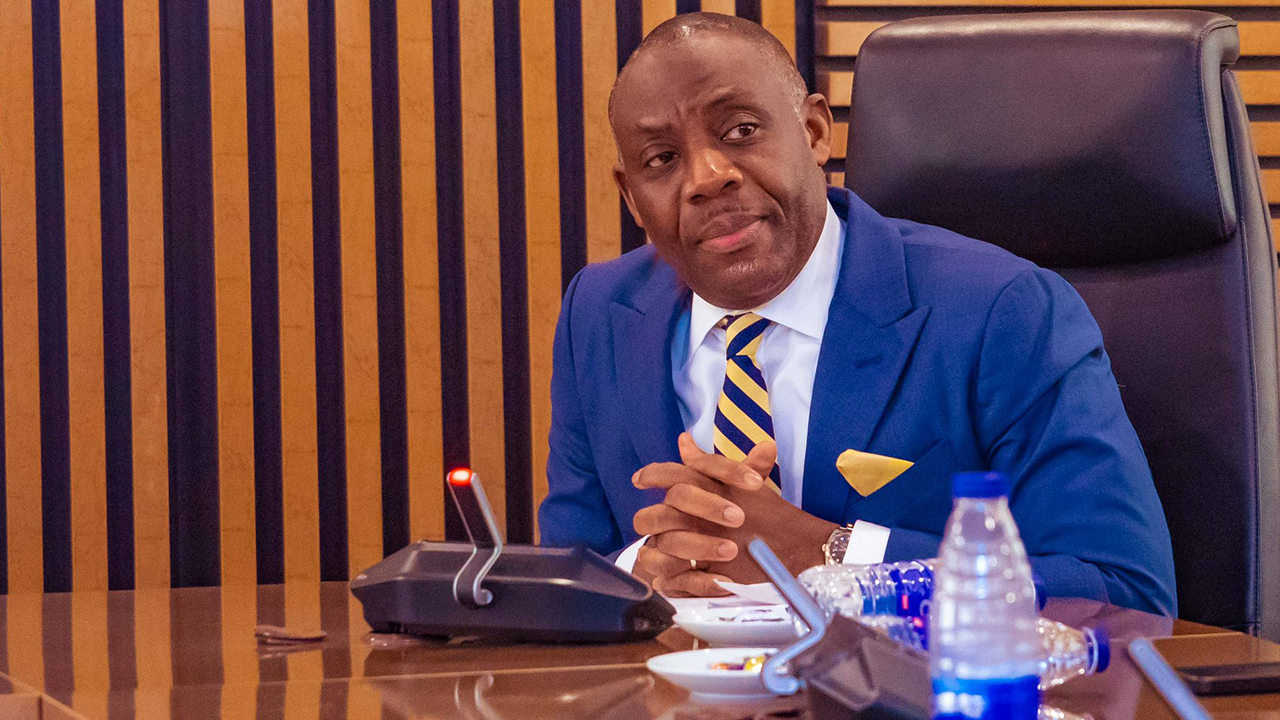
Speaking at the event, Executive Secretary of the NUC, Prof. Abdullahi Ribadu, described the additional financing phase as a major step toward consolidating the gains already recorded under the project.
According to him, the new phase would strengthen sustainability efforts while expanding the impact of the programme across participating institutions.
Ribadu explained that the project was created to tackle the shortage of skilled professionals in procurement and environmental and social governance, as well as the lack of specialised academic programmes in those areas within Nigeria’s university system.
He noted that six centres of excellence were established across the country’s geopolitical zones with support from the World Bank and under the supervision of the NUC.
The centres, including those at Ahmadu Bello University and Lagos State University, are expected to provide highly skilled manpower capable of promoting transparency, accountability, environmental responsibility, and inclusive development in both the public and private sectors.
The NUC boss highlighted several achievements recorded since the programme became operational in 2021. These include the introduction of postgraduate diplomas, master’s degrees, undergraduate programmes, and professional short courses focused on procurement, environmental, and social standards.
He also said investments had been made in digital learning infrastructure, including high-performance computing systems, learning management platforms, live-streaming technology, and research facilities to improve teaching and learning.
According to Ribadu, the project has expanded the international profile of participating institutions, with some centres already enrolling foreign students and establishing over 68 international partnerships.
He further disclosed that certification protocols covering procurement, environmental, and social standards had been activated in collaboration with the Bureau of Public Procurement, the Federal Ministry of Environment, and the Federal Ministry of Women Affairs to ensure professional standards for practitioners.
The NUC Executive Secretary announced that three of the six centres had already commenced PhD programmes, while the remaining institutions are expected to begin doctoral studies in the next academic session starting in July 2026.
Under the new financing arrangement, the project is expected to produce at least 60 PhD graduates, attract a minimum of 60 foreign students, facilitate 18 staff internship programmes, and support no fewer than 60 international student exchange opportunities.
Ribadu also revealed that The Gambia had expressed interest in sending students to participate in the programme, a development he said reflects growing regional confidence in the initiative.
On the future direction of the project, he explained that the new funding phase would focus more specifically on sustainability, environmental governance, and procurement reforms, unlike the earlier stage which concentrated on foundational structures.
He added that electronic procurement would become a central feature of the programme as the Federal Government moves toward digitising public procurement systems nationwide.
Task Team Leader of the SPESSE Project at the World Bank, Ishtiak Siddique, described the initiative as one of the institution’s most impactful partnerships with Nigeria despite the bank’s broader $17 billion portfolio in the country.
Siddique said the project cuts across multiple sectors because procurement, environmental, and social standards are essential to effective governance and service delivery.
He disclosed that more than 40,000 individuals had already been trained under the initiative and that the additional financing would support the training of at least another 24,000 participants, especially personnel from strategic public institutions.
According to him, the project would also facilitate the introduction of a comprehensive electronic procurement system at the federal level before eventual expansion to state governments.
He stated that the system would incorporate emerging technologies such as artificial intelligence and machine learning to improve efficiency, transparency, and accountability in public procurement processes.
READ ALSO:Amid mixed trading session, NGX records N109.4bn turnover as market gains N65bn
Director-General of the Bureau of Public Procurement, Adebowale Adedokun, said the agency remained committed to producing procurement professionals who are both academically qualified and professionally competent.
Adedokun disclosed that over 2,700 officers from federal, state, and local government agencies, as well as the private sector, had already been trained and certified under the programme.
He added that the new financing phase would also support online training initiatives for small and medium-scale enterprises and policymakers responsible for managing public funds.
Vice Chancellor of Lagos State University, Prof. Ibiyemi Olatunji-Bello, commended the project, saying it had significantly transformed institutional capacity and created new opportunities for specialised training in procurement and environmental standards within Nigerian universities.