By Seun Ibiyemi
The Nigerian Upstream Petroleum Regulatory Commission (NUPRC) has projected that newly awarded oil and gas licences will deliver at least 250,000 barrels of oil per day within the next five years, as Nigeria intensifies efforts to achieve its production target of three million barrels per day by 2030.
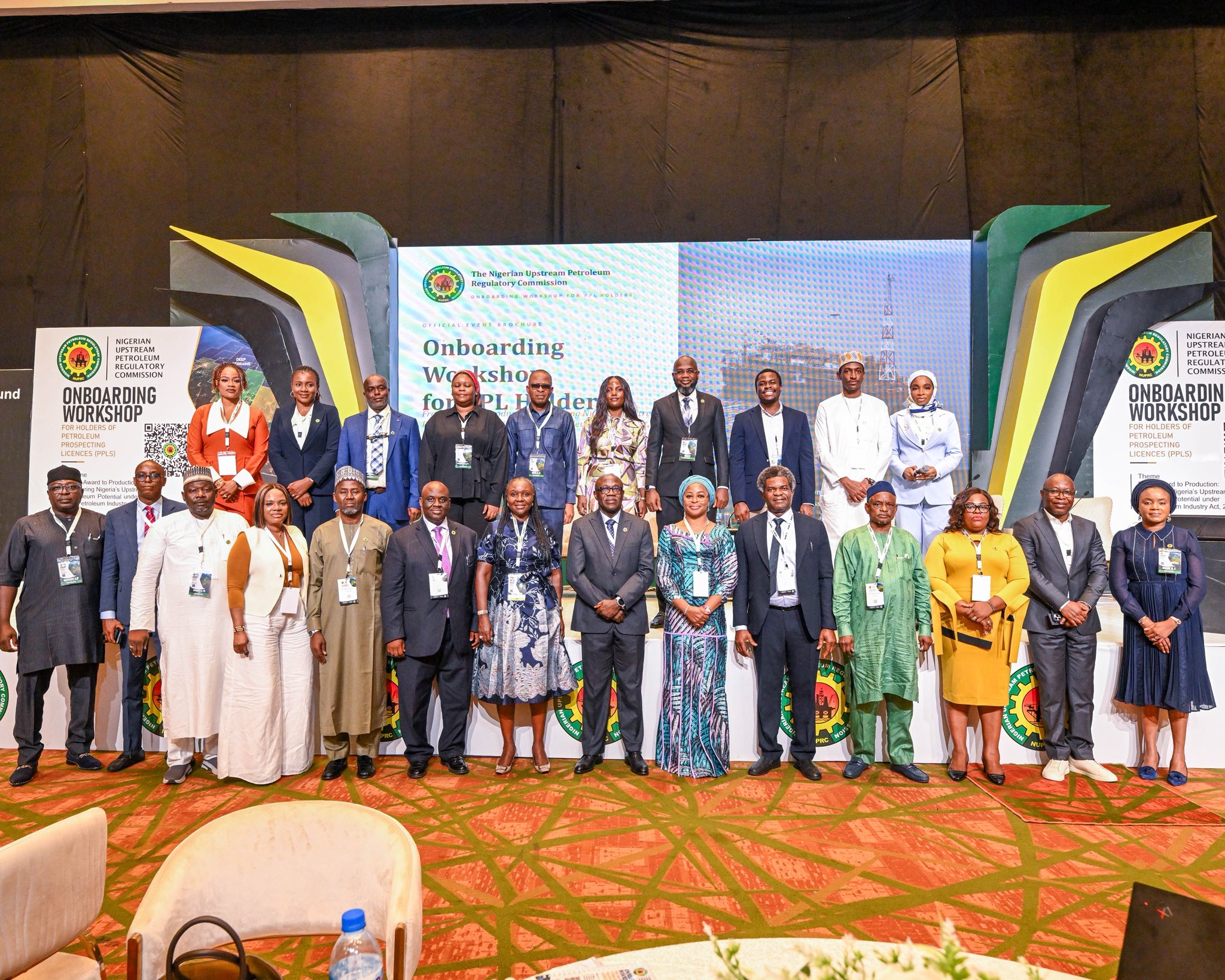
The Commission Chief Executive, Mrs Oritsemeyiwa Eyesan, disclosed this on Tuesday, October 20, 2026, in Lagos, during a two-day onboarding workshop for new licence awardees.
The workshop, themed “From Award to Production: Delivering Nigeria’s Upstream Potential Under the Petroleum Industry Act, 2021,” was organised to guide the awardees through the technical, regulatory and commercial processes required to move from licence acquisition to actual oil production.
Speaking with journalists on the sidelines of the event, Eyesan said the Commission expected the 22 licence awards to make a significant contribution to Nigeria’s oil production in the coming years.
“For this set of awardees, we are expecting nothing less than 250,000 barrels per day in the next five years at least from the 22 awards,” she said.
Eyesan added that Nigeria remained on course to achieve its target of producing three million barrels of oil per day by 2030, stressing the importance of translating licence awards into productive assets.
The NUPRC chief urged the new awardees to learn from the experiences of previous licence holders, including their successes and mistakes, to avoid delays and improve project delivery.
She said the Commission expected significant progress from the awardees within the next few years, particularly in moving from exploration and drilling to first oil.
“We want to see that in the next two years, more than half of you have reached first oil. In the next three, four years, you are drilling your second well,” Eyesan said.
The first day of the workshop featured technical experts from the Commission and professionals from legal and financial institutions, who shared practical insights to help the awardees navigate the upstream petroleum value chain.
Five technical sessions examined the processes involved in progressing from the award of a licence to first oil production.
The sessions covered the regulatory framework, work programmes, exploration, appraisal and commerciality, field development, well operations and production, as well as exploration financing.
The programme was designed to help the awardees understand their obligations under the Petroleum Industry Act (PIA) 2021 and develop workable plans for bringing their respective assets into production.
Eyesan also reiterated the October 31, 2026 deadline for the revocation of idle oil and gas licences under the PIA’s drill-or-drop provision.
She said the Commission would reclaim licences where holders had failed to undertake the required activities within the stipulated periods of three years for onshore licences and five years for offshore licences.
READ ALSO:No plot to assassinate Atiku – APC campaign council
“We have issued a directive that by the end of this month, those who were awarded licenses, and have not done anything within the stipulated time – three years for those onshore and five years for those offshore – the Commission will call in those blocks,” she said.
The NUPRC chief described the policy as an established international regulatory practice aimed at ensuring that petroleum assets are actively developed rather than held without progress.
“It’s going to be drill or drop. This is standard practice all over the world. In the UK, in the Netherlands, all over the world,” she added.
Eyesan further warned that licence holders should no longer expect extensions to be granted automatically, signalling a tougher approach to enforcing work commitments and improving the utilisation of Nigeria’s upstream petroleum resources.
The Commission’s position places greater emphasis on converting oil block awards into exploration activities, commercial discoveries and sustained production, as Nigeria seeks to raise output and maximise the value of its petroleum resources.
By setting production expectations for the 22 new awardees and reaffirming its position on idle licences, the NUPRC is seeking to encourage timely investment and improve accountability among operators.
The success of the initiative will depend on the awardees’ ability to secure financing, meet regulatory obligations, execute their work programmes and bring commercially viable discoveries into production.