
By Seun Ibiyemi
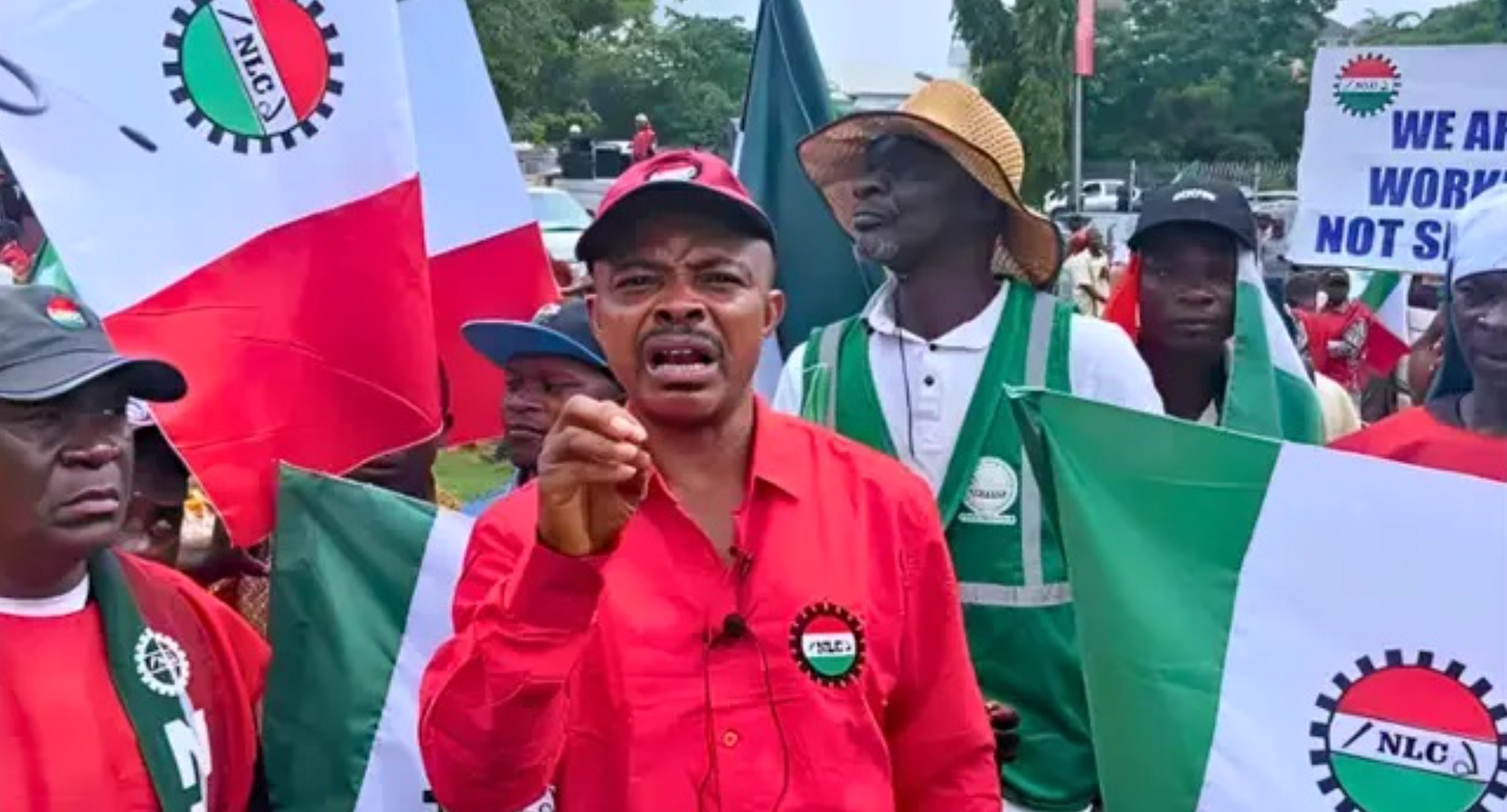
The Nigeria Labour Congress (NLC) has threatened possible nationwide industrial action over petrol prices, workers’ wages, tax relief and unresolved labour disputes, giving the Federal Government until October 27 to make meaningful progress in negotiations.
The labour centre issued the warning after a meeting with government representatives ended without an agreement in Abuja on Thursday, October 22, 2026.
The congress said its relevant organs would determine the next course of action if the next round of negotiations failed to produce concrete commitments on workers’ welfare and other outstanding demands.
In a statement issued after the meeting by its Acting General Secretary, Benson Upah, the NLC expressed disappointment over what it described as the government delegation’s lack of preparedness for the discussions.
According to the congress, organised labour had approached the negotiations in good faith but left without firm commitments from the government on the issues presented.
READ ALSO:NIMASA detains 2 vessels in sea guardian operation, clears 3 others
“The meeting between the Federal Government and organised labour, convened at the Ministry of Labour in Abuja on 22nd October 2026, has ended without resolution,” the statement said.
The NLC disclosed that the Minister of Labour requested an adjournment until Tuesday, October 27, to enable the government to prepare adequately and bring relevant ministers and heads of departments and agencies to the negotiations.
The congress said the government delegation lacked the authority required to negotiate substantively on the outstanding issues.
Among the NLC’s major demands is a reduction in petrol prices to the levels recorded in 2024, amid concerns about the cost of living and the impact of fuel costs on workers and households.
The congress is also seeking the renegotiation of the national minimum wage, implementation of agreed tax relief measures and resolution of the terms of settlement involving the Joint Health Sector Unions (JOHESU).
Other outstanding issues include demands by the Joint Public Service Negotiating Council (JPSNC) over peculiar allowances, wage awards and hazard allowances.
The demands reflect organised labour’s broader concerns about workers’ purchasing power, remuneration and the implementation of agreements reached with the government.
A reduction in petrol prices, the NLC argues through its demands, remains an important part of efforts to ease the economic pressures facing workers.
However, the latest meeting ended without a resolution of the issues, leaving the parties with another five days before the scheduled resumption of negotiations.
Despite threatening industrial action, the congress said it remained committed to dialogue but would not accept indefinite delays in resolving workers’ concerns.
It warned that the outcome of the October 27 meeting would determine whether the dispute escalated into a broader confrontation between organised labour and the Federal Government.
“We will report back to our organs, and if no meaningful progress is made on Tuesday, the relevant organs of the NLC will decide the next line of action,” Upah said.
The congress also directed its affiliates, state councils and civil society allies to remain alert and begin mobilisation in preparation for possible nationwide action.
“However, we urge all affiliates of NLC and TUC; all state councils and our civil society allies to be alert and start mobilising for a possible action across the nation while we hope that the tenets of our demands are met by the government,” the statement added.
The mobilisation directive signals a possible escalation of industrial tensions if the government fails to address the outstanding demands at the next meeting.
The next meeting is expected to provide an opportunity for the government to present concrete proposals on petrol prices, wages, tax relief and unresolved agreements affecting public-sector workers.
The outcome could determine whether both sides reach a compromise or whether the dispute progresses towards industrial action.
For workers, the negotiations touch on key concerns relating to living costs, take-home pay and the implementation of previously agreed welfare measures.
For the government, reaching an agreement could help avert a nationwide labour dispute and the potential disruption of public services and economic activities.
As of the NLC’s statement, no nationwide strike had been formally declared. The congress said its relevant organs would decide the next course of action if the October 27 meeting failed to produce meaningful progress.
The coming negotiations will therefore be critical to determining whether dialogue can resolve the dispute and prevent a wider confrontation between organised labour and the Federal Government.

