By Seun Ibiyemi
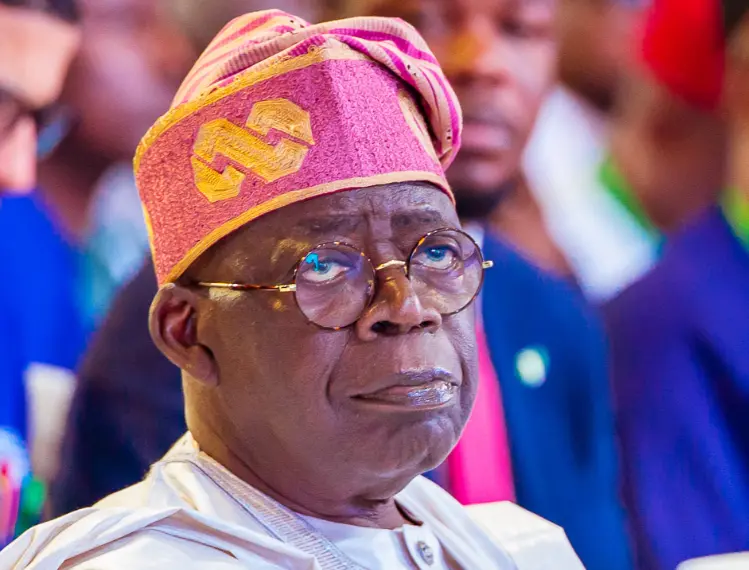
Mixed reactions have continued to trail President Bola Tinubu’s request for Senate approval of a fresh $516 million external loan to finance sections of the Sokoto–Badagry Super Highway.
The President had written to the Senate, seeking approval for a $516,333,070 loan expected to be sourced from Deutsche Bank.
The letter, addressed to Senate President Godswill Akpabio, was read during plenary on Thursday, formally initiating legislative consideration.
According to the President, the loan will fund Sections 1, 1A, and 1B of the proposed 1,000-kilometre highway project linking Sokoto to Badagry, traversing Kebbi, Niger, Kwara, Oyo, Ogun, and Lagos states.
The project is a flagship infrastructure initiative aimed at boosting connectivity and economic integration across the corridor.
Former Vice President Atiku Abubakar has, however, raised concerns over the move, warning against Nigeria’s growing debt burden and what he described as inadequate transparency in borrowing decisions.
In a statement issued by his Senior Special Assistant on Public Communication, Phrank Shaibu, Atiku stressed that while infrastructure development is essential, it must not come at the cost of fiscal sustainability.
“At a time when Nigeria is already groaning under the weight of unsustainable debt, the resort to yet another foreign loan—without transparent terms, clear cost-benefit analysis, and a credible repayment framework—raises profound questions about prudence and accountability,” he said.
He cautioned the National Assembly against approving the request without thorough scrutiny, adding that development must be anchored on responsible financing to avoid burdening future generations.
Economists also expressed divergent views on the proposed borrowing. Professor of Economics and Public Policy, Prof. Akpan Ekpo, warned that Nigeria’s increasing reliance on external debt poses risks to the country’s fiscal health.
“The economy is getting too exposed to external debt. Our revenue base is weak and heavily dependent on oil, which we do not control. Borrowing without clear repayment strategies could become a major burden,” Ekpo said.
He urged the government to explore alternative financing options such as Public-Private Partnerships, concessions, and Sukuk bonds to reduce dependence on foreign loans and stimulate domestic economic growth.
On the other hand, Chief Executive Officer of Economic Associates, Dr. Ayo Teriba, supported the loan request, describing it as a viable option for funding long-term capital projects.
“The superhighway will create income opportunities that can support its repayment. With an interest rate of about 5.3 per cent, the loan is relatively affordable compared to previous borrowing terms,” Teriba noted.
He also called for reforms to enable local banks to participate in financing such infrastructure projects, highlighting the need to unlock domestic liquidity.
President Tinubu maintained that the Sokoto–Badagry Super Highway would reduce travel time, enhance trade, and promote economic integration across multiple states.
The Senate has since referred the request to its Committee on Local and Foreign Debts for further legislative scrutiny.
Read Also:Nigeria, Malaysia customs deepen cooperation to boost trade, border security