By Seun Ibiyemi
The International Monetary Fund (IMF) has warned that sustained increases in energy prices could drive global inflation and weaken economic growth if the current trend persists.
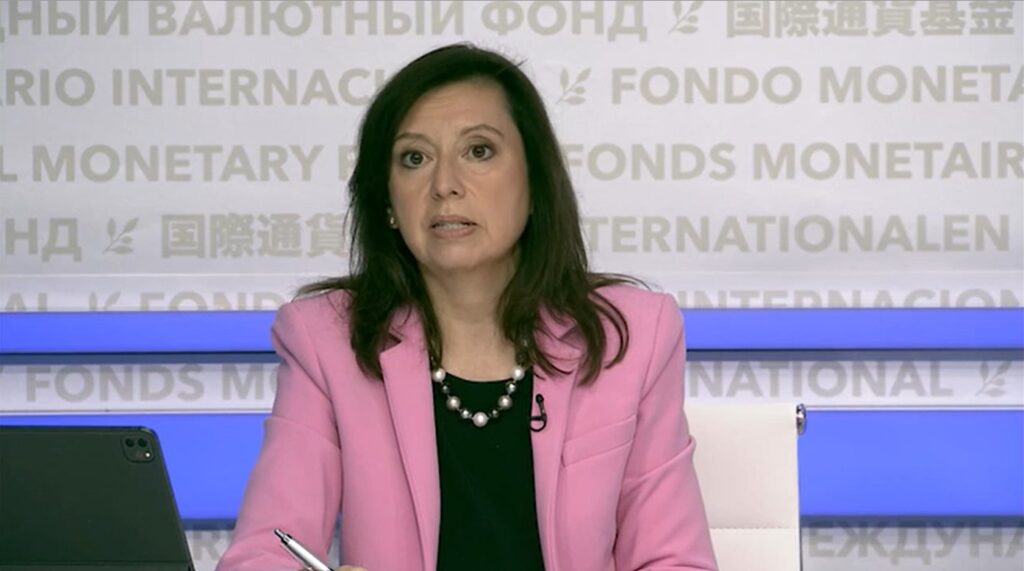
IMF spokesperson, Julie Kozack, disclosed this on Thursday, noting that ongoing conflict has already disrupted seaborne shipments of oil and natural gas, pushing crude oil prices up by more than 50 per cent to over $100 per barrel.
Speaking to reporters in a report published by Reuters, Kozack said the Fund had not yet received any formal requests for emergency financing but remains ready to support member countries if needed.
She added that IMF officials are actively engaging with finance ministers, central bank governors, and regional institutions to assess developments and provide guidance.
Read also:NSC urges dialogue as freight forwarders protest tariff hike
Kozack explained that the overall economic impact of the conflict would depend on its duration, intensity, and scope.
She cited an IMF “rule of thumb,” which indicates that every 10 per cent increase in energy prices sustained over a year could raise global inflation by about 40 basis points, while reducing global output by between 0.1 and 0.2 per cent.
According to her, if oil prices remain above $100 per barrel for an extended period, the effect on inflation and global economic output could be significant.
She advised central banks to remain vigilant, particularly in monitoring whether inflationary pressures extend beyond energy prices and whether inflation expectations remain stable.
Kozack also noted that preliminary IMF assessments suggest the conflict could weaken economic growth in Gulf Cooperation Council (GCC) countries, although she did not provide detailed projections.
She said the extent of the impact would largely depend on how quickly affected countries can restore oil and gas exports.
Earlier in March, the IMF had raised concerns about rising energy costs and disruptions to global trade stemming from the crisis in the Middle East, warning that the situation adds to existing global economic uncertainties.
“The situation remains highly fluid and adds to an already uncertain global economic environment. It is too early to assess the economic impact on the region and the global economy. That impact will depend on the extent and duration of the conflict,” the Fund stated.