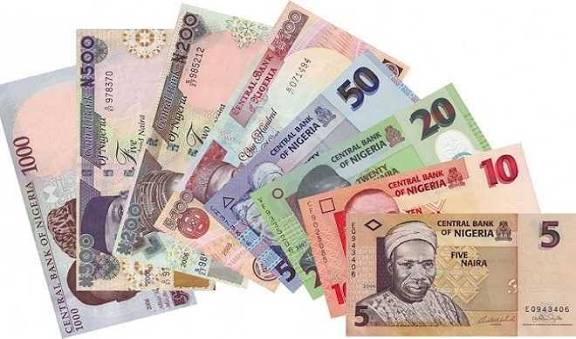
Activity in Nigeria’s interbank foreign exchange market surged on Monday, with total turnover rising by 265.86 per cent to $437.53 million, amid improved liquidity and growing confidence in the naira.
The latest turnover was the highest recorded since July 22, 2026, and represented a sharp increase from the $119.59 million traded on Friday.
The number of deals also increased by 29.93 per cent, rising from 137 transactions on Friday to 178 on Monday, indicating stronger activity among market participants.
Although the Nigerian Foreign Exchange Market (NFEM) figures for Monday were not available as of the time of reporting, activity at the window moderated in the previous session.
NFEM turnover fell by 8.98 per cent to $352.34 million on Friday, from $387.09 million on Thursday, while the number of deals increased by 11.31 per cent from 283 to 315.
The renewed activity in the FX market coincided with continued growth in Nigeria’s external reserves, which rose to $52.25 billion as of August 13, 2026, the highest level in 17 years.
The reserve position represents a 28.32 per cent increase from the $40.72 billion recorded during the corresponding period of 2025, strengthening the Central Bank of Nigeria’s capacity to support the foreign exchange market and meet external obligations.
Analysts attributed the recent improvement in the naira’s performance partly to the CBN’s recent reforms to its liquidity management framework.
Ayodeji Ebo, Chief Executive Officer of MDU Capital, said the naira’s appreciation to around N1,349 per dollar could be linked to the revised discount-window rules, which provide banks with greater liquidity flexibility.
He, however, said stronger FX supply, rising external reserves and moderate demand for foreign currency were also supporting the naira.
Ebo noted that further appreciation in the parallel market would be desirable, saying greater convergence between official and parallel-market rates could reduce arbitrage opportunities and strengthen confidence in the currency.
The CBN last week introduced reforms aimed at improving liquidity and the transmission of monetary policy.
READ ALSO:Refinery restart won’t succeed without reliable crude supply, PETROAN warns Tinubu
The measures include easing restrictions on banks’ access to the discount window and Standing Lending Facility, resuming tenored repo operations with maturities ranging from four to 90 days, and expanding participation in Open Market Operations (OMO) to non-bank financial institutions, corporates and retail investors.
However, banks that access the discount window remain restricted from participating in OMO auctions conducted on the same day.
Analysts at Quest Merchant Bank said the reforms were expected to improve money-market liquidity, strengthen monetary policy transmission and deepen participation in the fixed-income market.
They added that broader participation in OMO securities could eventually drive yields lower, potentially reducing treasury-income opportunities for banks and moderating the attractiveness of naira assets for carry investors