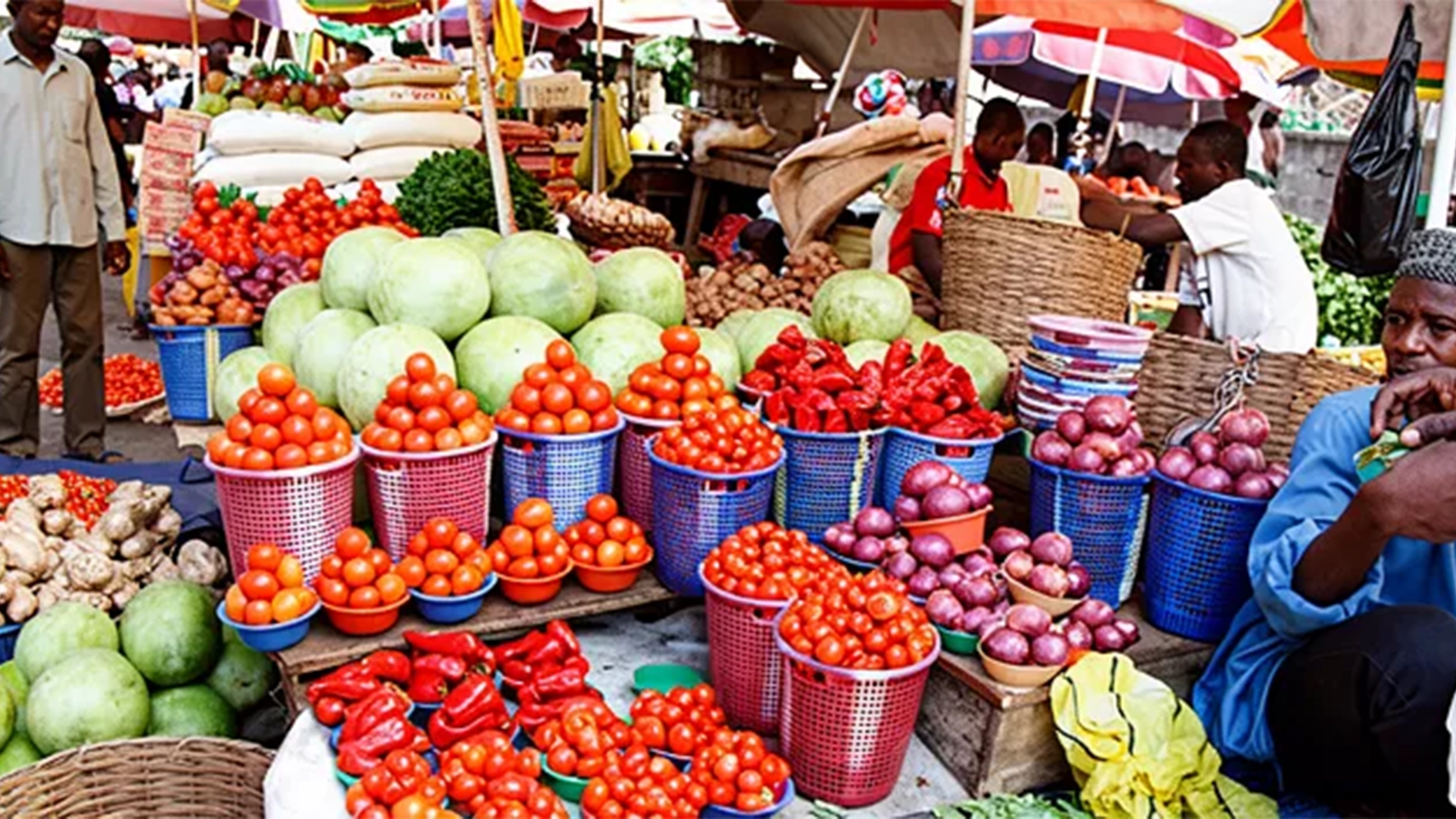
Nigeria’s imported food inflation slowed to 9.19 per cent in September 2026, its lowest level in six months, as monthly price increases moderated significantly, offering a fresh indication of easing inflationary pressures amid persistent concerns over food affordability and the country’s dependence on imports.
Figures derived from the latest data released by the National Bureau of Statistics (NBS) showed that the imported food price index rose to 135.5 in September 2026 from 124.1 in the corresponding period of 2025.
The annual growth rate declined from 12.83 per cent in August and the recent peak of 14.60 per cent recorded in May, extending a steady moderation in imported food inflation over the past four months.
On a month-on-month basis, the index increased by just 0.07 per cent in September, significantly lower than the 0.89 per cent recorded in August and 1.21 per cent in July.
The figures suggest that although imported food prices continued to rise compared with a year earlier, the pace of increase slowed considerably, potentially easing some of the pressure on Nigeria’s food market.
However, the moderation does not necessarily mean consumers are paying less for imported food products, as the overall price level remains elevated.
Despite the slowdown in inflation, the imported food price index climbed from 120.0 in January to 135.5 in September, highlighting the cumulative increase in prices over the period.
The annual growth rate has declined consistently since May, easing to 13.62 per cent in June, 13.25 per cent in July and 12.83 per cent in August before reaching 9.19 per cent in September.
The development points to a gradual easing of price pressures in imported food products, although the extent to which this will translate into lower retail prices remains uncertain.
Factors such as exchange-rate movements, international commodity prices, shipping costs, tariffs and domestic distribution expenses will continue to influence the final prices paid by consumers.
For households already struggling with elevated living costs, a slower increase in food prices could provide some relief, but the benefits may take time to reflect across markets.
The slowdown comes against the backdrop of Nigeria’s substantial expenditure on imported food and beverages, underscoring the challenges confronting domestic agricultural production.
A report by Nairametrics indicated that Nigeria spent ₦3.30 trillion on food and beverage imports in the first half of 2026, with expenditure rising sharply in the second quarter.
The high import bill has continued to raise questions about the country’s capacity to produce sufficient food locally, reduce dependence on foreign supplies and conserve foreign exchange.
Nigeria’s reliance on imported food also leaves domestic food costs vulnerable to developments in international markets and changes in the exchange rate.
While slower imported food inflation could moderate the rate at which the import bill translates into higher consumer prices, it does not automatically reduce the country’s overall spending on food imports.
Analysts have consistently highlighted the need to improve domestic agricultural productivity, strengthen food-processing capacity and address supply-chain constraints to reduce the pressure on household budgets.
Beyond inflation, food security remains a major concern as millions of Nigerians face the risk of inadequate access to affordable and nutritious food.
The Food and Agriculture Organisation of the United Nations has warned that about 34.7 million Nigerians could face severe food insecurity during the next lean season.
The warning underscores the gap between easing inflation rates and the broader challenge of ensuring that households can afford sufficient food.
Insecurity, rising production costs and post-harvest losses continue to threaten agricultural output, while disruptions to farming activities have raised concerns about food supplies in vulnerable communities.
Parts of the North-Central and North-West regions have been particularly affected by security challenges, with concerns that some farmers could abandon agricultural activities because of the risks and costs involved.
These constraints could weaken domestic food supplies and sustain pressure on prices, even if inflation continues to moderate.
Strengthening security in farming communities, expanding access to affordable agricultural inputs, improving rural infrastructure and reducing post-harvest losses are therefore critical to increasing food availability and stabilising prices.
READ ALSO:Ogun Police arrest 56-year-old man over wife’s death in suspected arson
The moderation in imported food inflation coincided with a broader easing of inflationary pressures across the Nigerian economy.
The NBS reported that headline inflation declined to 14.63 per cent in September 2026 from 15.39 per cent in August, extending the disinflation trend for a fourth consecutive month.
Food inflation also recorded a decline in its annual growth rate, standing at 19.59 per cent in September compared with 20.16 per cent in September 2025.
On a month-on-month basis, food inflation fell to minus 1.55 per cent in September from 1.02 per cent in August, representing a decline of 2.57 percentage points.
The negative monthly food inflation rate indicates that the measured food-price level fell between August and September, in contrast to the positive monthly movement recorded in the imported food price index.
The difference highlights the importance of distinguishing between annual inflation, monthly price changes and the separate price movements of imported food products.
While the latest figures suggest that inflationary pressures are easing, they do not establish that every food item has become cheaper or that households have fully recovered from previous price increases.
The outlook for food prices will depend on whether the current disinflation trend is sustained and supported by improvements in domestic production, supply chains and market distribution.
A stable exchange rate and more favourable international food prices could help moderate the cost of imports.
However, renewed currency pressures or higher global commodity and transportation costs could reverse some of the gains.
Domestically, improved security, lower production costs, better access to farm inputs and investments in storage and processing facilities could help increase food supplies and reduce losses between farms and markets.
For policymakers, the challenge is to translate the easing of inflation into lasting improvements in food affordability and household welfare.
September’s imported food inflation figures offer a positive signal that price increases are slowing. Nevertheless, with the overall price index still significantly above its January level and millions of Nigerians facing food insecurity risks, sustained improvements in local agricultural production and food distribution will remain essential to achieving more affordable and reliable food supplies.