By Seun Ibiyemi
The Federal Government has paid N1.23 trillion in legacy debts owed to power generation companies (Gencos) and plans to clear the outstanding balance in 2027, as it intensifies efforts to improve electricity supply and attract investment into the power sector.
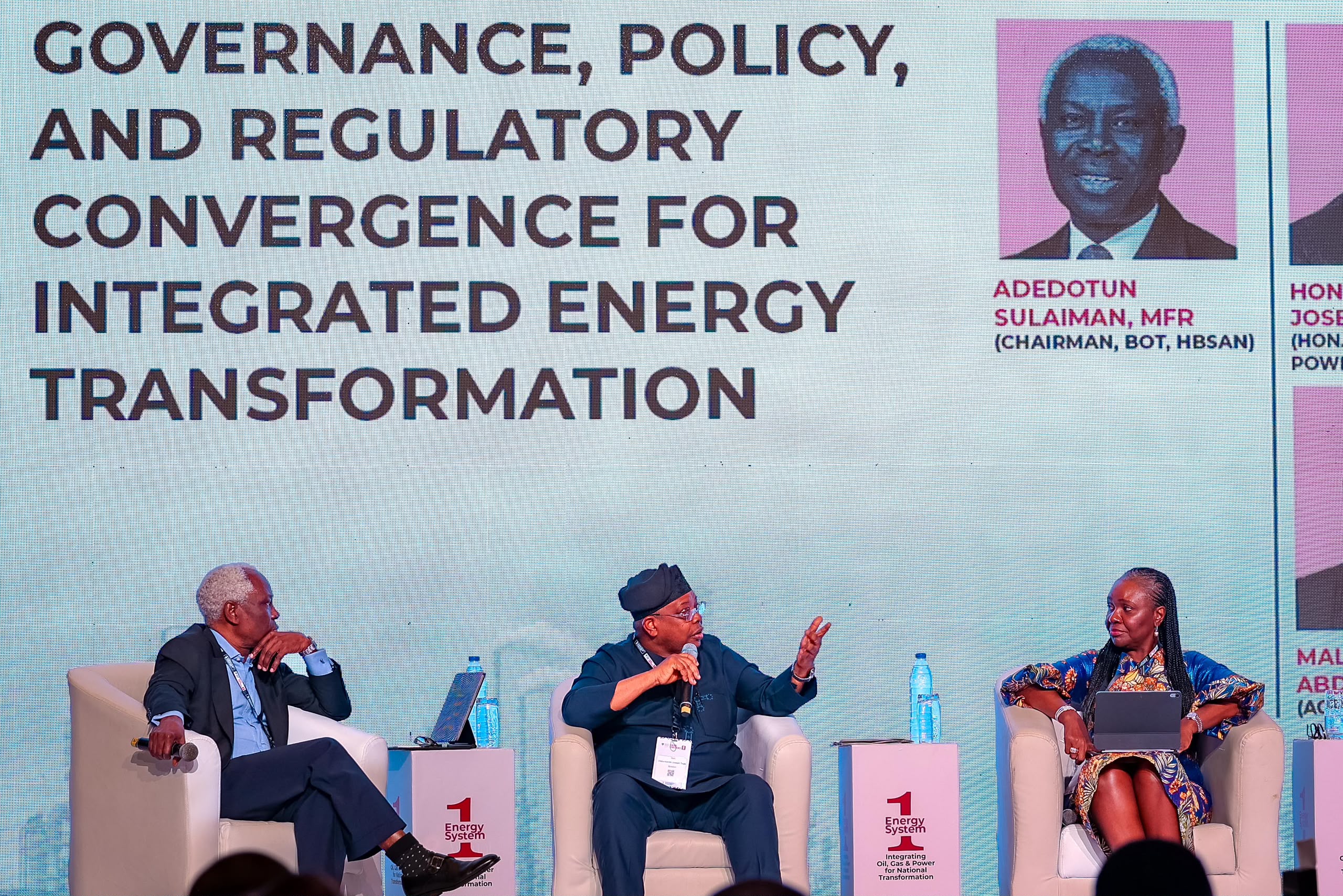
The Minister of Power, Joseph Tegbe, disclosed this at the Harvard Business School Association of Nigeria (HBSAN) Energy Conference in Lagos, noting that the payments had so far been made through bonds.
Tegbe said the government was committed to settling the outstanding obligations to power generation companies while ensuring that vulnerable groups were adequately protected in the implementation of electricity sector reforms.
The payment forms part of the Federal Government’s efforts to address longstanding financial obligations that have weighed on the power sector and affected the operations of electricity generation companies.
According to the minister, the government’s objective goes beyond clearing accumulated debts, as it also seeks to prevent a recurrence of arrears that could undermine the financial stability of the electricity market.
He said establishing a more sustainable payment system would help restore investor confidence, strengthen the financial position of operators and create conditions for fresh investment across the power value chain.
The minister stressed that settling the legacy debts was a critical step towards building a more financially stable and investment-ready electricity industry.
Persistent payment arrears have been a longstanding concern for generation companies, which require adequate revenue to meet operating expenses, maintain facilities and invest in additional generation capacity.
The government’s planned settlement of the outstanding balance is expected to support efforts to address these financial pressures, although improvements in electricity supply will also depend on the performance of transmission and distribution infrastructure and the financial sustainability of the entire market.
Tegbe said the administration was determined to make better use of available electricity generation capacity and improve the reliability of supply to households, businesses and industries.
He added that preventing new debts from accumulating would be essential to ensuring that the gains from the settlement programme were sustained.
The minister also reaffirmed the government’s commitment to protecting vulnerable groups as it pursues reforms aimed at improving the electricity market.
The commitment comes amid efforts to balance the need for a financially viable power sector with the affordability of electricity for households and businesses.
A sustainable electricity market requires generation companies to receive payments for the power they supply, while consumers need reliable service and effective measures to protect those who may struggle with the cost of electricity.
The government’s approach, Tegbe indicated, is intended to address both concerns while strengthening the sector’s capacity to support economic activity.
READ ALSO:Nigeria, Norway partner on satellite surveillance to combat illegal fishing
The Federal Government said its efforts to clear the legacy debts and improve the use of available generation capacity were aligned with President Bola Tinubu’s Renewed Hope Agenda.
Reliable electricity remains critical to Nigeria’s industrial development, business productivity and household welfare, particularly as companies contend with the cost of alternative energy sources.
For manufacturers and other businesses, improved grid supply could reduce reliance on diesel and petrol generators, lower operating expenses and support greater competitiveness.
The planned completion of the debt settlement in 2027 will therefore be an important test of the government’s efforts to restore financial discipline to the electricity market.
However, sustained improvements in supply will also require effective transmission, distribution, metering and collection systems, alongside measures to ensure that electricity market participants meet their financial obligations.
The government’s stated objective is to establish a power sector capable of attracting investment, supporting economic growth and delivering more reliable electricity to Nigerians.