

By Seun Ibiyemi
The Association of Licensed Telecommunications Operators of Nigeria (ALTON) has thrown its weight behind the Central Bank of Nigeria (CBN) directive requiring financial institutions to host payment transaction data within the country, describing the policy as a major step toward reducing foreign exchange exposure and strengthening Nigeria’s digital economy.
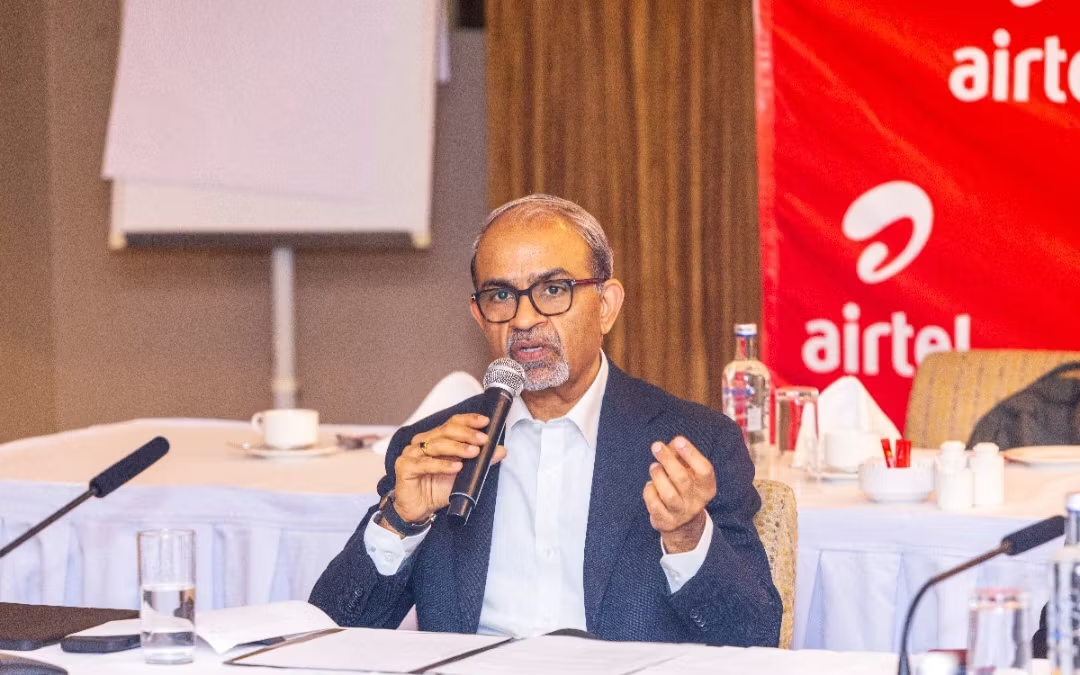
Chairman of ALTON, Engr. Gbenga Adebayo, expressed the association’s support for the policy, noting that strict compliance by banks, fintech firms and other payment service providers would significantly reduce the impact of exchange rate volatility on their operations.
The directive issued by the Central Bank of Nigeria mandates that all payment transaction data generated within Nigeria must be stored on local servers from January 1, 2027.
According to the apex bank, the measure is part of broader efforts to enhance regulatory oversight, improve data security and strengthen the resilience of Nigeria’s rapidly expanding digital payments ecosystem.
Speaking on the implications of the directive, Adebayo said the benefits of local data hosting extend beyond cost savings, offering financial institutions greater protection from long-term operational risks associated with foreign exchange fluctuations.
He explained that organisations hosting their data locally would pay service providers in naira rather than foreign currencies, thereby reducing exposure to exchange rate pressures and lowering operational costs.
Adebayo also described the policy as a significant step toward achieving data sovereignty, stressing the need for Nigeria to take ownership of its data value chain, including data collection, management, storage and integrity assurance.
He argued that continued reliance on foreign jurisdictions for critical data infrastructure limits the country’s ability to fully control and secure sensitive financial information.
The ALTON chairman further highlighted the performance challenges associated with offshore data storage, noting that routing domestic transactions through foreign servers often increases communication overhead, transaction latency and data retrieval costs.
On data security, he maintained that domestic hosting offers stronger safeguards, arguing that countries have greater incentives to protect data generated within their borders than external providers.
READ ALSO:SERAP issues 7-day ultimatum to Akpabio, Abbas over N110bn spent on vehicles, allowances
Addressing concerns about the country’s readiness for the transition, Adebayo said Nigeria possesses sufficient infrastructure to accommodate the policy.
He pointed to the presence of several world-class data centres operating within the country, including about six functional Tier III facilities that already provide services to international clients.
According to him, the effectiveness of the policy will depend more on available storage capacity than the number of facilities, adding that current infrastructure is capable of meeting the needs of Nigeria’s financial services sector.
Industry stakeholders believe the directive could accelerate investments in local data infrastructure, promote digital sovereignty, strengthen cybersecurity, and support the growth of Nigeria’s digital economy while reducing dependence on foreign technology platforms.

https://shorturl.fm/TNvbe