By Seun Ibiyemi
President Bola Ahmed Tinubu has set an ambitious target to more than double the contribution of Nigeria’s livestock sector to the national economy, potentially lifting its annual economic value from over $32 billion to more than $64 billion.
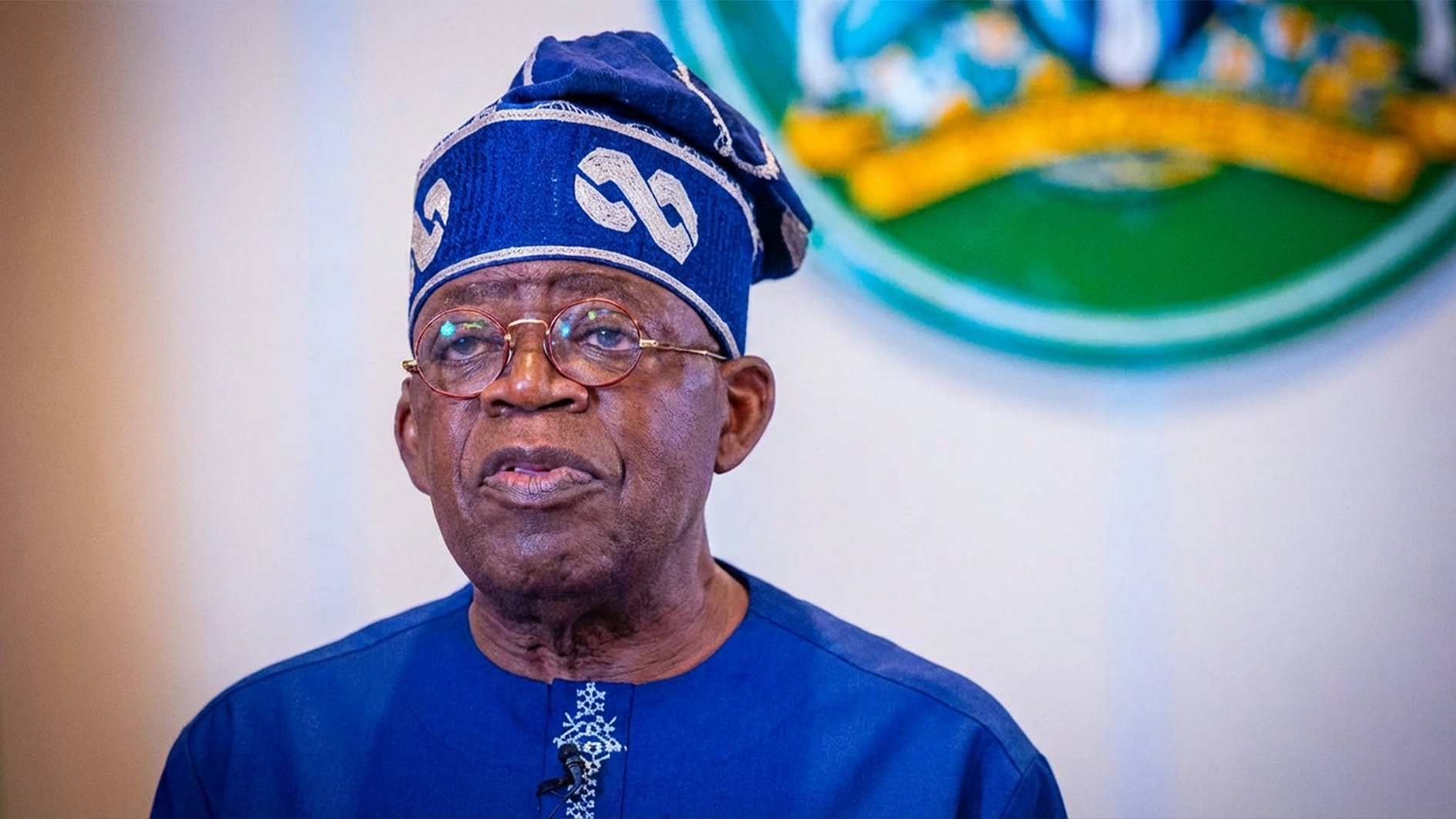
The President disclosed this on Monday in Abuja at the opening of the 9th All Africa Conference on Animal Agriculture, where he said the livestock industry had become a critical component of Nigeria’s strategy to strengthen food security, create jobs and diversify government revenues.
Represented by the Secretary to the Government of the Federation, Senator George Akume, Tinubu said the government’s objective was to transform livestock from predominantly subsistence production into a commercially viable industry capable of competing in regional and international markets.
“Our national strategy aims to more than double the sector’s economic contributions to position Nigeria as a leading hub for livestock production and processing in Africa,” he said.
The scale of Nigeria’s livestock assets provides the foundation for the target. The country currently has more than 58 million cattle, 64 million sheep, 124 million goats and 660 million poultry, according to the President.
Tinubu said the Federal Government’s establishment of the Federal Ministry of Livestock Development in July 2024 was designed to unlock the commercial potential of the sector and attract greater private-sector investment.
The administration is implementing the National Livestock Growth Acceleration Strategy, which focuses on productivity, animal health, genetics, commercial feed production, value-chain development and climate-smart livestock production.
From a business perspective, the strategy could open opportunities across multiple segments, including dairy production, meat processing, leather, animal feed, breeding, veterinary services, logistics and livestock infrastructure.
The President said the government was particularly focused on reducing Nigeria’s dependence on imported dairy products by expanding domestic milk production.
“Our ongoing dairy transformation programme seeks to double local milk production through improved genetics, better nutrition, modern breeding systems, and stronger private sector participation,” he said.
The programme is expected to support improved breeds, pasture development, commercial feed production, milk collection infrastructure and modern dairy-processing facilities.
Tinubu also identified ranching and modern livestock production as part of efforts to improve productivity while reducing conflicts associated with traditional livestock production systems.
Beyond food security, the government is positioning the livestock value chain as a major employment engine, particularly for Nigeria’s growing youth population.
The President said greater opportunities would be created for young people and women through access to finance, technology, innovation and private-sector partnerships.
The economic ambition also extends beyond Nigeria’s domestic market. Tinubu said the government would pursue stronger regional cooperation under the African Continental Free Trade Area (AfCFTA) to expand livestock production and exports.
He stressed that Africa’s livestock industry could become globally competitive if countries collaborate on animal health, disease control, genetics, climate resilience, trade and investment.
READ ALSO:Tinubu hails Customs as AfCFTA picks local firm for $multi-billion modernisation project
“The future of Africa’s livestock industry depends on innovation, science, technology, and regional cooperation. No country can achieve sustainable livestock transformation in isolation,” he said.
The President therefore charged stakeholders at the conference to develop practical proposals capable of attracting investment, improving productivity and strengthening Africa’s livestock value chains.
With the sector already contributing more than $32 billion annually, the proposed doubling of its economic contribution represents a potential additional $32 billion in annual economic activity, if the target is achieved.
Tinubu said Nigeria was prepared to work with investors, research institutions, development partners and other African countries to build a modern livestock industry capable of becoming a major source of food, jobs, industrial raw materials and export earnings.