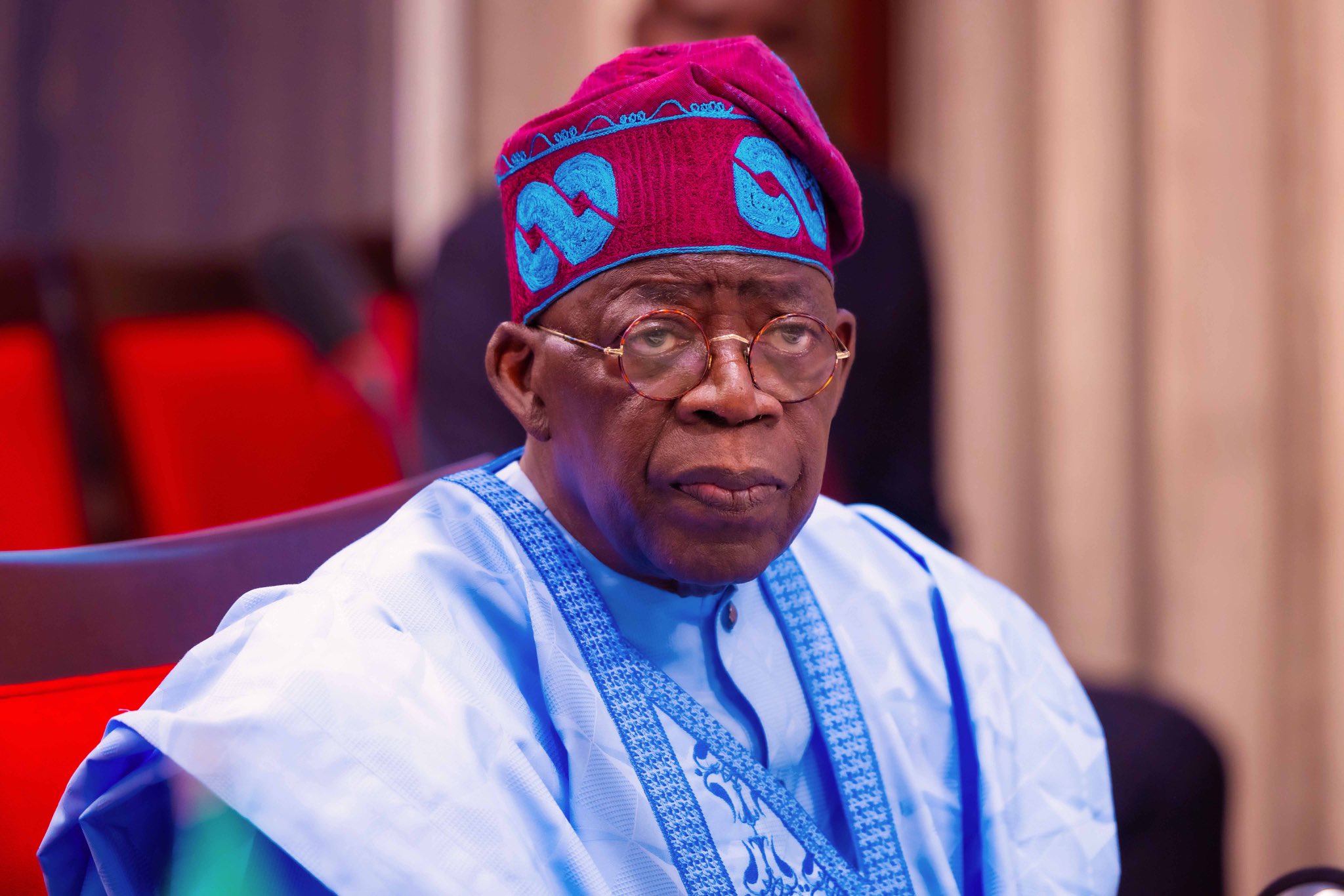
The Federal Government on Monday declared that it is displeased with the South African government’s failure to respond firmly enough to the renewed wave of xenophobic attacks targeting Nigerian nationals, warning that retaliatory diplomatic gestures, including a review of bilateral privileges, were being actively considered and were not off the table
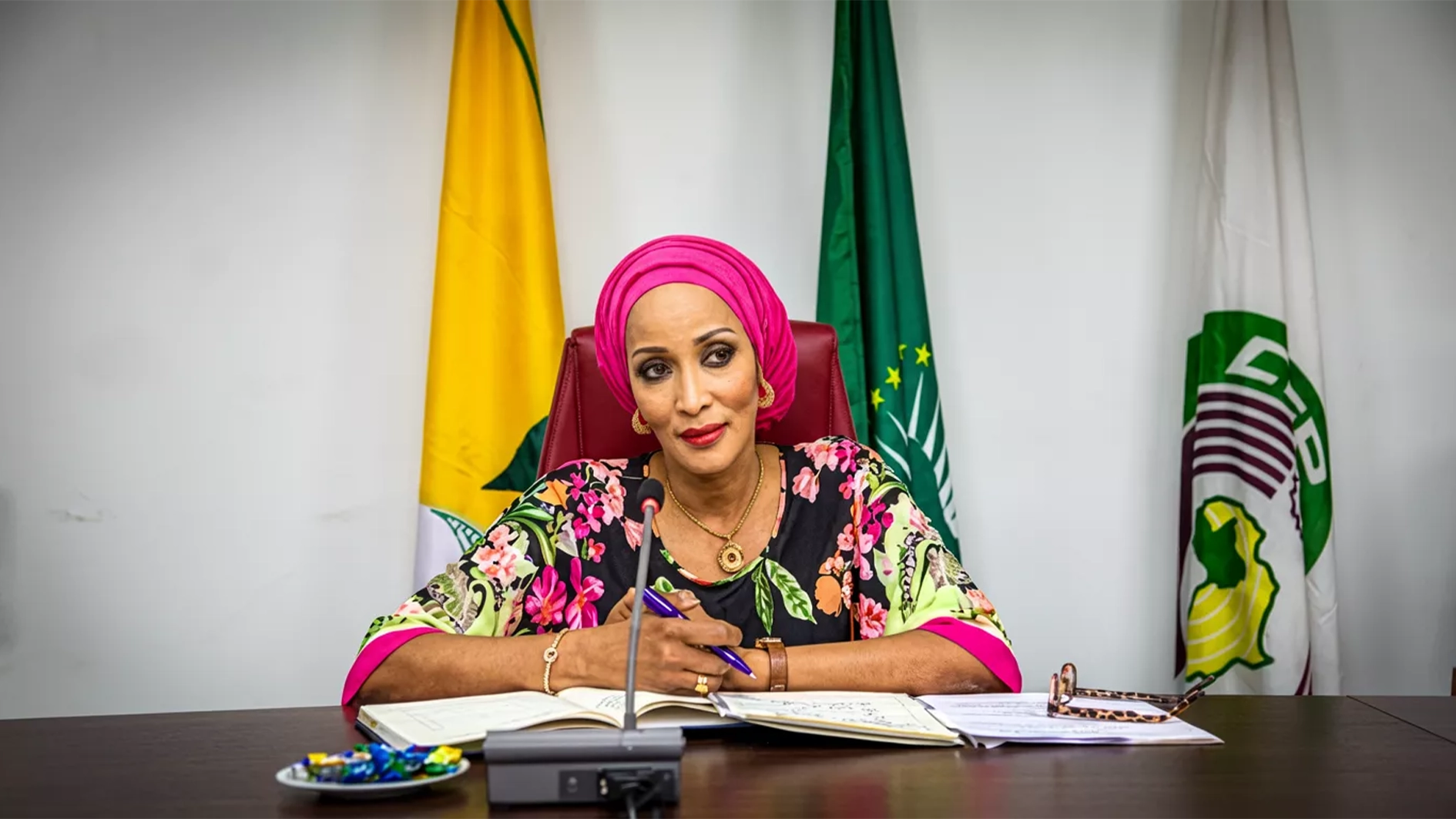
Minister of Foreign Affairs, Amb. Bianca Odumegwu-Ojukwu, disclosed this on Monday after briefing President Bola Tinubu at the Presidential Villa in Abuja, expressing dissatisfaction with what she described as South Africa’s inadequate response to the attacks.
The development has raised concerns within business and investment circles, given the extensive commercial ties between Africa’s two largest economies and the significant presence of South African companies in Nigeria.
Odumegwu-Ojukwu said the Nigerian government was unhappy with reports of harassment, intimidation and destruction of property belonging to Nigerians living and conducting legitimate businesses in South Africa.
According to her, many Nigerian entrepreneurs have suffered losses as shops and businesses were allegedly looted or set ablaze, while their families faced intimidation.
“Our citizens are being harassed. Our citizens’ properties are being looted. Criminal actions are being perpetrated, and the police refuse to do anything.
The South African government has not come out strongly and firmly enough to condemn these incidents,” she said.
The minister also rejected claims that Nigerians affected by the attacks were undocumented migrants, insisting that many of them were legitimate business owners and residents with valid travel and residency documentation.
The latest crisis has prompted discussions within government on possible diplomatic and economic responses, including a review of existing privileges granted to South African entities operating in Nigeria.
Asked whether such measures were under consideration, Odumegwu-Ojukwu said the option remained open.
“That is a situation that we are considering.
This is a decision that has to be taken at the highest level of government. But it is not off the table,” she said.
The remarks come amid growing calls from lawmakers for stronger action. The House of Representatives has reportedly recommended a temporary suspension of business permits granted to South African companies operating in Nigeria, while the Senate has resolved to send a high-level delegation to South Africa to convey Nigeria’s concerns.
Analysts note that any restrictions on South African businesses could have implications for bilateral trade and investment flows, as major South African firms maintain substantial operations across sectors including telecommunications, retail, financial services and consumer goods in Nigeria.
The minister also confirmed that the Federal Government had activated evacuation plans for Nigerians willing to return home from South Africa.
According to her, President Tinubu approved five evacuation flights to be operated by Air Peace, while a crisis response unit has been established within Nigeria’s diplomatic missions in Johannesburg and Pretoria.
As of June 8, more than 1,000 Nigerians had registered for voluntary repatriation, with over 500 already screened and cleared for evacuation.
The first evacuation flight, initially scheduled for Monday, was moved to Wednesday due to logistical considerations.
Odumegwu-Ojukwu stressed that the evacuation programme would be accompanied by rehabilitation and reintegration support for returnees through collaboration with the National Emergency Management Agency (NEMA) and other government institutions.
The current tensions stem from anti-immigration protests organised by groups such as Operation Dudula and March for March, which have heightened fears among foreign nationals across several South African provinces.
READ ALSO:LAMATA increases Blue Line trips to 94 daily as ridership tops 6m
The situation has revived memories of previous waves of xenophobic violence in 2008, 2015 and 2019, which strained diplomatic relations between Nigeria and South Africa and disrupted business activities involving citizens of both countries.
Economic observers warn that prolonged tensions could affect investor sentiment and commercial relations between the two nations, which remain among the continent’s most important trade and investment partners.
However, they note that both governments have strong economic incentives to preserve bilateral cooperation while addressing concerns surrounding the safety and welfare of foreign nationals.