The United States has imposed a 12.5 per cent tariff on imports from Nigeria under a new trade policy targeting countries it says have failed to prohibit the importation of goods produced with forced labour.
The measure, announced by the Office of the United States Trade Representative (USTR), affects imports from 60 economies that Washington said have not enacted and effectively enforced bans on goods linked to forced labour.
According to the USTR, Nigeria is among the countries that will face the 12.5 per cent tariff, while countries such as India, Indonesia, Malaysia, Mexico and the United Kingdom will attract a lower 10 per cent tariff after adopting or committing to implement prohibitions on imports produced through forced labour.
The decision follows investigations launched by the USTR in May 2026 under Section 301 of the US Trade Act into 60 of America’s largest trading partners.
The agency said it received more than 1,600 written submissions, heard testimony from over 100 witnesses, and consulted more than 45 governments before announcing the new tariffs.
In a statement, the USTR said a 10 per cent tariff would apply to countries that have already implemented or committed to implementing effective forced labour import prohibitions through reciprocal trade agreements or similar measures.
It added that 12.5 per cent would apply to all other investigated economies that failed to meet those standards.
READ ALSO:Terrorism: Trump commends Tinubu, pledges US support
A Federal Register notice obtained from the USTR stated that Nigeria would be subject to the 12.5 per cent tariff on its products, except for goods listed under specified exemptions.
The notice said the tariff was imposed after considering the findings of the investigation, public comments, testimony and recommendations of the Section 301 Committee and advisory bodies.
It added that the scope of the tariffs and available exemptions were designed to eliminate what the United States described as actionable trade practices identified during the investigation.
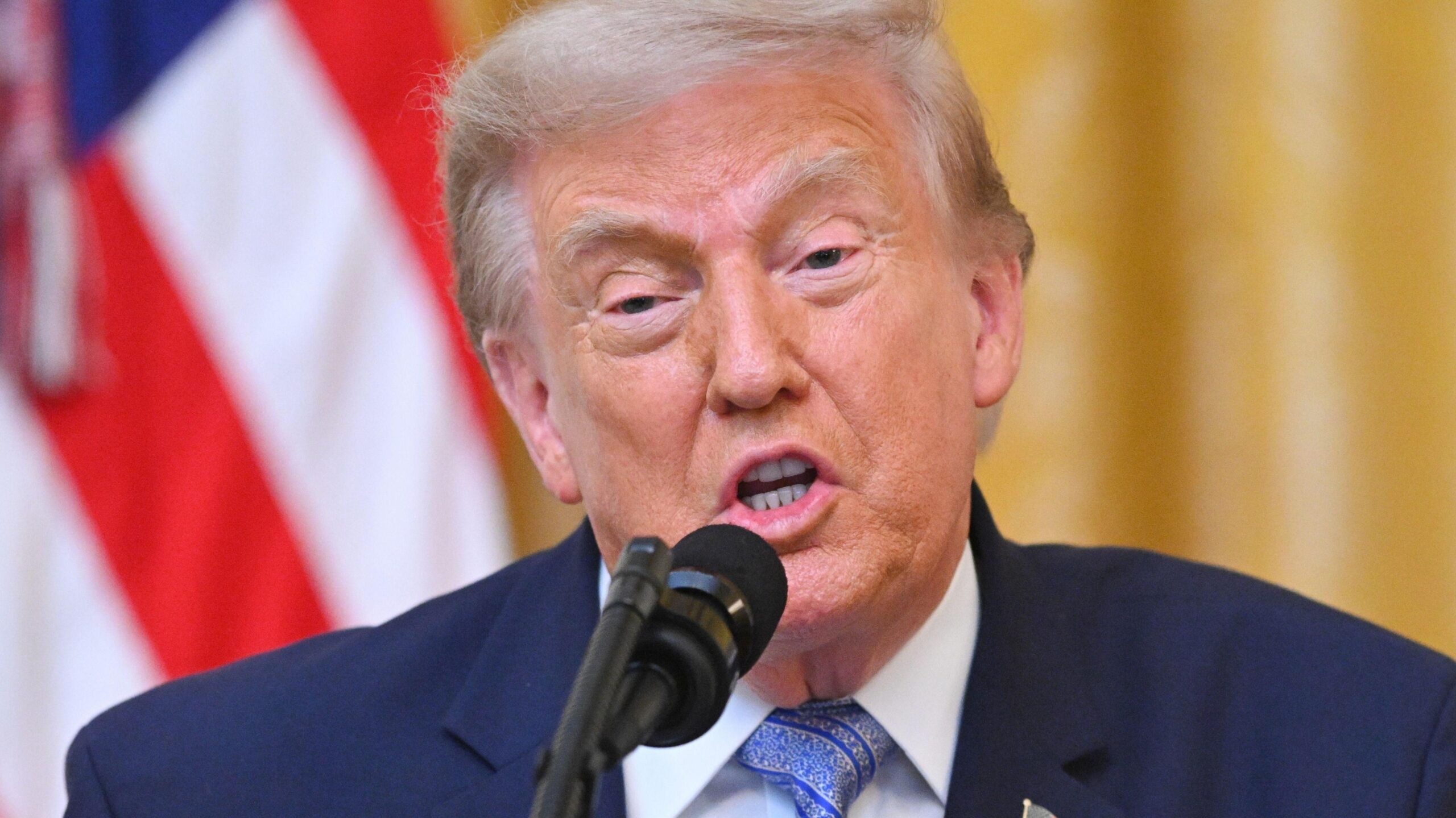
The latest action follows President Donald Trump’s decision to invoke Section 122 of the Trade Act of 1974 to impose temporary universal tariffs after the US Supreme Court blocked his administration’s broader tariff plan under the International Emergency Economic Powers Act.
Commenting on the decision, US Trade Representative Jamieson Greer said the new tariffs were intended to encourage trading partners to strengthen efforts against forced labour.
“President Trump recognises that decades of moral suasion have not eradicated forced labour from global supply chains,” Greer said.
“The United States has had a forced labour import ban for nearly a century. It’s well past time for our trading partners to do the same.”
The USTR, however, clarified that the tariffs would not apply to certain categories of products, including raw materials whose restriction could create domestic supply shortages, goods capable of causing widespread economic disruption, products unavailable in sufficient quantities in the United States or from alternative suppliers, and selected items from countries that have adopted or pledged to implement forced labour import bans.
Additional exemptions, the agency said, were granted in cases where tariffs were considered unlikely to eliminate the trade practices under investigation.
The new tariffs could have implications for Nigerian exporters, particularly those shipping manufactured goods and other products to the United States, although the impact will depend on the categories of goods affected and the applicable exemptions.