By Seun Ibiyemi
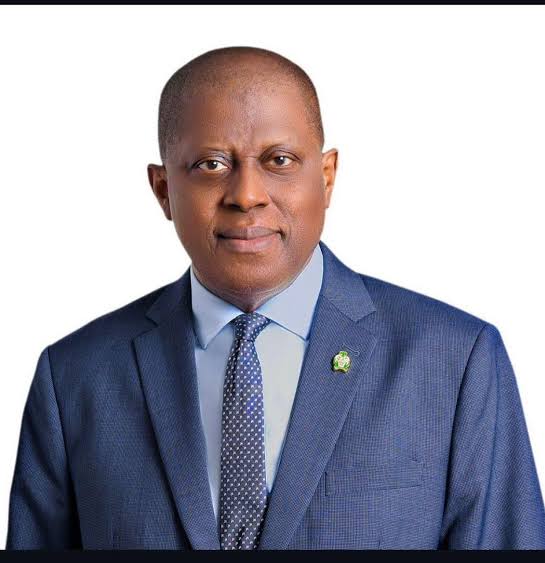
The House of Representatives has resolved to summon the Governor of the Central Bank of Nigeria (CBN), Olayemi Cardoso, over alleged breaches of pension agreements and failure to pay outstanding retirement benefits to former employees of the apex bank.
The resolution followed the adoption of a motion during plenary on Tuesday, November 3, 2026, titled, “Need to Investigate the Central Bank of Nigeria for Alleged Breach of Approved Pension Agreements, Non-Implementation of Harmonisation Policy and Exclusion of Pensioners from General Pension Increases.”
The motion was sponsored by the member representing Igabi Federal Constituency of Kaduna State, Hussaini Jallo, who raised concerns over alleged violations of agreements guiding pension entitlements and the welfare of retired CBN employees.
Presenting the motion, Jallo said the alleged failure by the apex bank to implement the harmonisation policy had created disparities in pension payments and resulted in the accumulation of unpaid arrears, leaving affected retirees in financial hardship.
“The House is concerned that the alleged non-implementation and faulty execution of the harmonisation policy may have led to disparities in pension benefits and the accumulation of unpaid arrears,” Jallo said.
READ ALSO:NNPC eyes 5–10% stake sale in proposed IPO, targets NGX listing
The lawmaker further alleged that some pensioners had been excluded from general pension increases over additional demands that might not be supported by existing laws, agreements or approved pension policies.
He disclosed that the number of CBN pensioners had declined from 5,104 in 2011 to approximately 3,000, representing a reduction of more than 2,100 retirees.
Jallo warned that prolonged delays in pension payments could expose elderly retirees to poverty, ill health and preventable deaths, stressing that former employees who served the country deserved transparency, fairness and timely payment of their lawful entitlements.
The motion received overwhelming support from lawmakers through a voice vote during plenary presided over by the Speaker, Tajudeen Abbas.
Following the adoption of the motion, the House urged the CBN and other relevant authorities to verify and pay all outstanding pension arrears owed to eligible retirees within a clearly defined period.
Lawmakers also called for the extension of applicable general pension increases to qualified pensioners in line with existing laws and approved policies.
The House subsequently resolved to invite Cardoso, relevant CBN officials, pension administrators, regulators and representatives of affected pensioners to appear before it and provide explanations alongside supporting documents.
The invitation is expected to enable lawmakers to examine the circumstances surrounding the alleged breaches and establish the extent of the outstanding pension obligations.
The House mandated its Committee on Pension to investigate the alleged breaches of pension agreements by the CBN, particularly the terms governing the administration and payment of retirement benefits.
The committee is expected to examine the circumstances surrounding the non-implementation of the harmonisation policy, the reasons for the delays and the total amount of outstanding pension arrears.
It will also investigate the alleged exclusion of eligible pensioners from general pension increases and determine whether the practice complies with existing laws and approved pension policies.
As part of its assignment, the committee will review relevant agreements, policy circulars, payment records and actuarial reports to establish responsibility for any administrative failures.
It is also expected to recommend appropriate corrective measures to address identified irregularities and ensure that affected retirees receive their legitimate entitlements.
The investigation comes amid concerns over the welfare of retired employees and the obligations of institutions to honour approved pension agreements and protect the retirement benefits of their former workers.