By Seun Ibiyemi
The Federal Government has dismissed claims that the petrol price discount introduced by NNPC Retail Limited amounts to a return of fuel subsidy, insisting that the initiative is funded entirely from the company’s retail margin without recourse to public funds.
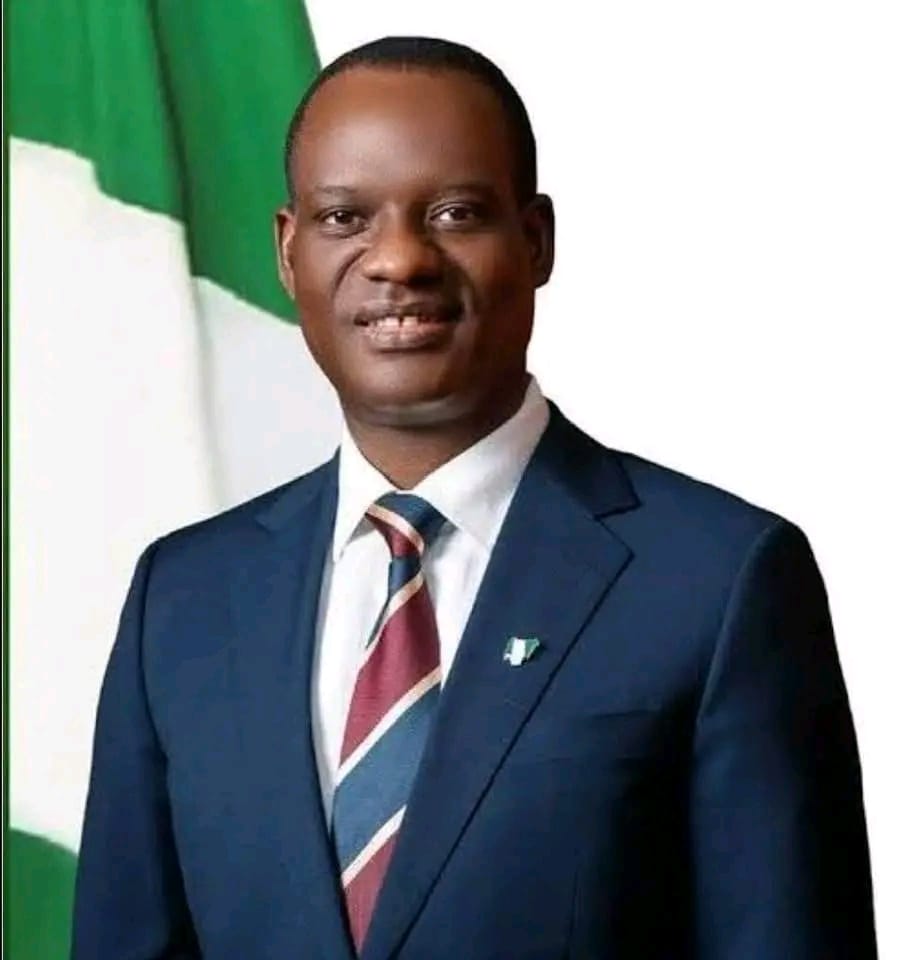
The Minister of Finance and Coordinating Minister of the Economy, Taiwo Oyedele, said the discount, which took effect on October 1, 2026, was a commercial decision by NNPC Retail to reduce its margin and pass the savings to consumers, rather than a government-funded intervention.
In a statement issued by the Federal Ministry of Finance, Oyedele explained that the initiative was designed to provide relief to households, commuters and transport operators grappling with high petrol prices, while allowing the national oil company’s retail subsidiary to strengthen its commercial performance.
The clarification comes amid public debate over the reduction in petrol prices at NNPC Retail stations, with some commentators interpreting the move as a possible reversal of the fuel subsidy policy abolished by the Tinubu administration in 2023.
The ministry, however, maintained that the distinction between a retail margin discount and a fuel subsidy lies in who bears the cost of the price reduction.
According to the minister, a retailer can voluntarily reduce its profit margin to attract customers and increase sales without receiving financial support from the government. A subsidy, by contrast, occurs when the government pays part of the cost of a product to keep its price below the market rate.
Oyedele stressed that the current arrangement does not involve any payment from the federal budget or the Federation Account, adding that the discount is borne solely by NNPC Retail through a reduction in its retail margin.
He said the company continues to purchase petrol from the Dangote Refinery and other suppliers at market prices under commercial terms before determining its pump prices.
“The discount comes out of that margin alone, so the discounted pump price remains market-reflective,” the minister explained.
He added that the arrangement differs fundamentally from selling crude oil belonging to the Federation below market value, which could amount to a subsidy because the resulting revenue shortfall would ultimately be borne by the public.
The finance minister also dismissed concerns that reducing the retail margin would necessarily lower the profits of NNPC Limited and, consequently, the dividends payable to the Federation.
According to him, the reduction in earnings per litre could be offset by an increase in sales volumes as motorists switch to NNPC Retail stations to take advantage of the lower prices.
He explained that offering discounted prices could also strengthen customer loyalty, helping the company retain customers even after the promotional period ends.
The ministry argued that increased sales volumes and stronger customer retention could improve the overall profitability of NNPC Retail, potentially supporting higher dividends to the Federation.
Oyedele described the approach as a commercial strategy used by retailers globally to attract customers, improve market share and strengthen long-term business performance.
The position suggests that the government considers the discount not merely a consumer-relief measure but also a business strategy capable of delivering benefits to both motorists and the public treasury.
The Federal Ministry of Finance further argued that the discount would not significantly distort the domestic petroleum market or create additional incentives for cross-border fuel smuggling.
Oyedele said the retail margin on petrol accounts for less than five per cent of the pump price, limiting the extent to which a discount within that margin could alter the price relationship between Nigeria and neighbouring countries.
He noted that petrol prices in neighbouring countries were already between 20 and 40 per cent higher than those in Nigeria, arguing that the NNPC Retail discount would not meaningfully widen the existing price gap.
According to the minister, the arrangement therefore does not create the kind of market distortion associated with previous fuel subsidy regimes.
The ministry maintained that the commercial nature of the discount distinguishes it from government interventions that artificially lower domestic prices and create incentives for the diversion of subsidised petroleum products across national borders.
Oyedele said NNPC Retail Limited, a wholly owned subsidiary of NNPC Limited, was established more than two decades ago as a petroleum marketing and retail company to support the nationwide availability, distribution and affordability of refined petroleum products.
He explained that the company’s mandate extends beyond maximising retail profits to ensuring that petroleum products remain accessible to consumers across the country.
According to him, NNPC Retail has historically sold petrol at prices below those charged by some competing marketers, making the latest discount consistent with its established role in the downstream petroleum market.
He added that the current price reduction represents a voluntary commercial decision that other retailers could also adopt within their respective business models.
READ ALSO: Minister sets up committee to tackle vandalism, protect electricity infrastructure
The ministry’s position is that the ability of a retailer to absorb part or all of its margin temporarily should not automatically be interpreted as evidence of a government-funded subsidy.
While defending the NNPC Retail discount, the minister acknowledged that petrol prices continue to place pressure on households and businesses, particularly through their effects on transportation, distribution and the cost of goods and services.
He said the government was pursuing additional measures to reduce the burden, including expanding compressed natural gas-powered transportation, waiving taxes and duties on petrol, and removing illegal levies that contribute to higher transport costs.
According to the ministry, the measures are intended to ease economic pressures without restoring the fuel subsidy arrangement that the administration terminated in 2023.
The government has repeatedly defended the removal of petrol subsidy on the grounds that public resources previously used to support fuel prices could be redirected towards other national priorities.
However, the policy has remained a major subject of public debate because of the impact of higher petrol prices on transportation costs, household spending and business operations.
The latest clarification is therefore aimed at drawing a clear distinction between government-funded price support and a retailer’s decision to sacrifice part of its commercial margin to attract customers.
Oyedele maintained that the NNPC Retail discount lowers the price paid by consumers without committing public funds, while potentially improving the company’s sales volumes, customer retention and profitability.
He said the initiative should consequently be understood as a commercial pricing strategy rather than a reversal of the government’s fuel subsidy policy.