By Seun Ibiyemi
The Nigerian Midstream and Downstream Petroleum Regulatory Authority (NMDPRA) has called on Cross River State to harness ongoing reforms in Nigeria’s downstream petroleum sector by investing in strategic fuel infrastructure and clean energy value chains to drive economic growth.
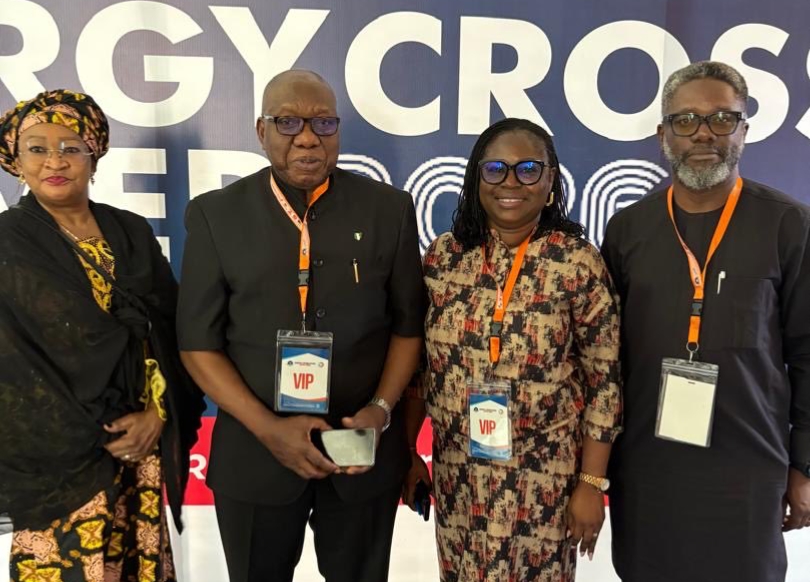
Speaking on behalf of the Authority Chief Executive, Engr. Saidu Mohammed, the Executive Director, Hydrocarbon Processing, Plant Installation and Transportation Infrastructure, Engr. Francis Ogaree, delivered the keynote address at the Energy Cross River Conference & Exhibition 2026 held in Calabar.
Read also: PETROAN, NMDPRA pledge deeper partnership to boost downstream petroleum operations
In his address titled “Downstream Petroleum Industry in Nigeria – Past Perspectives and Present Opportunities,” Ogaree reflected on Nigeria’s journey from a prolonged energy crisis in the downstream sector, marked by heavy reliance on imported refined petroleum products, inefficient distribution networks and critical infrastructure gaps that strained public finances.
He noted that the country’s energy landscape is undergoing significant transformation, driven by deliberate efforts to optimise domestic refining capacity and achieve product supply sufficiency to meet national demand.
According to him, these measures are aimed at strengthening energy security and reducing exposure to external supply shocks.
Ogaree stressed that the NMDPRA remains committed to fostering a predictable and transparent regulatory environment that will enable businesses to thrive, catalyse investments and support industrial expansion, while creating employment opportunities for Nigeria’s growing youth population.
Read also:Tinubu orders strict PPP compliance for national gas command centre
He urged Cross River State to take advantage of the current midstream and downstream momentum by investing in strategic fuel distribution terminals, expanding Liquefied Petroleum Gas (LPG) and Compressed Natural Gas (CNG) infrastructure for transportation and industrial use, and establishing clean energy hubs.
The state was also encouraged to develop export-oriented value chains by leveraging its free port status and the anticipated deep seaport infrastructure, positioning Cross River as a critical energy and logistics hub for the South-South region and beyond.