By Seun Ibiyemi
The Nigerian Midstream and Downstream Petroleum Regulatory Authority (NMDPRA) has introduced a revised gas transportation code aimed at improving pipeline access, reducing avoidable losses and strengthening the framework for domestic and cross-border gas transportation.
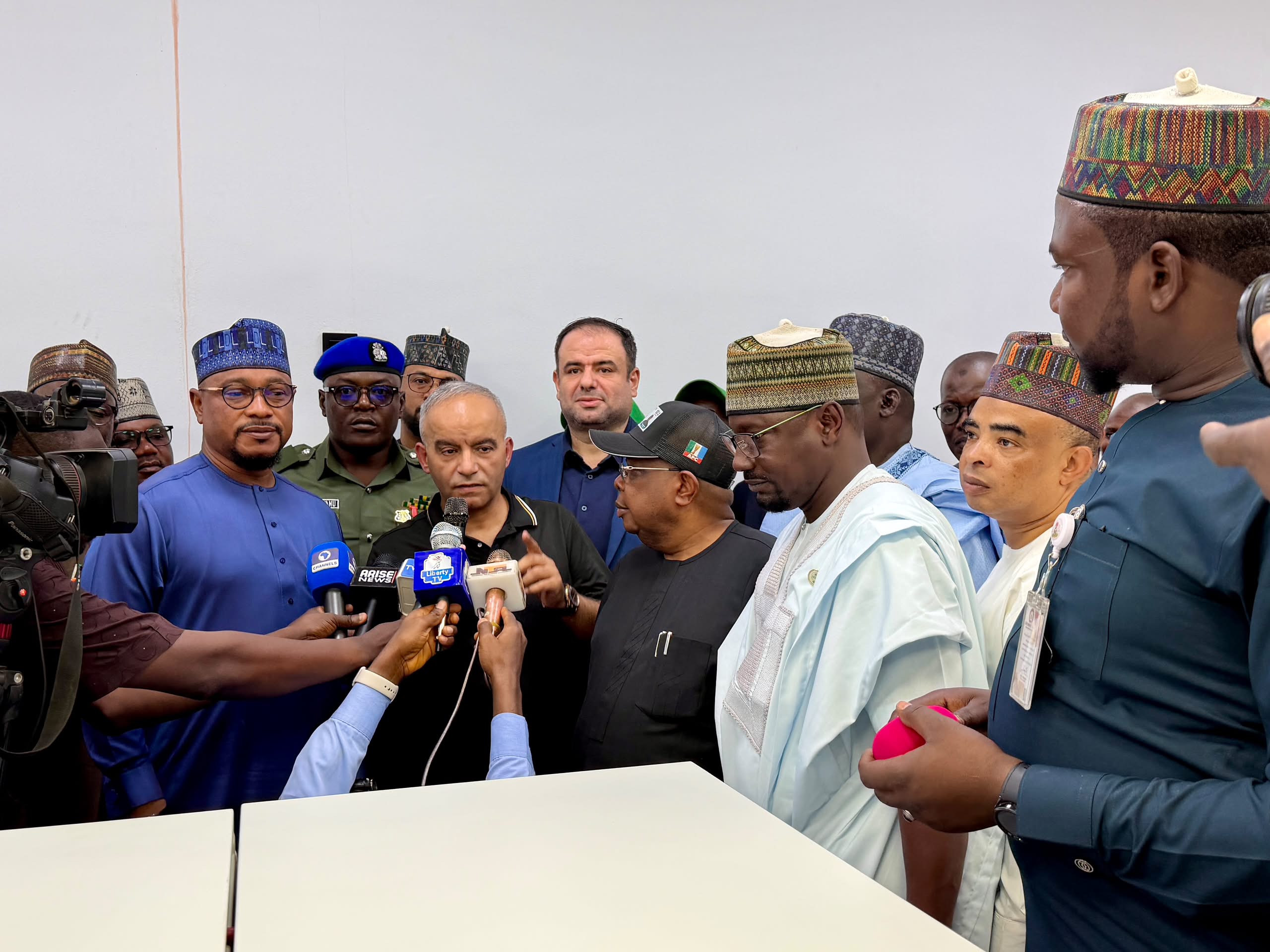
The Authority Chief Executive, Rabiu Umar, disclosed this at the 2026 OTL Africa Downstream Energy Week in Lagos, saying Revision 2 of the Nigerian Gas Transportation Network Code would establish clearer rules for gas shippers and transporters as Nigeria expands its pipeline infrastructure.
Umar said the first revision had increased participation by gas shippers and contributed to a reduction of about 30 per cent in imbalance on the Western Network.
“Since Revision 1, more shippers have come onto the network, and the imbalance on the western network has fallen by about 30 per cent. Revision 2 builds on these gains, and I invite every shipper, transporter, and investor to make full use of that,” he said.
The revised code is expected to strengthen transparency, standardise operational procedures and reduce technical and commercial disputes among operators using shared gas pipelines.
Umar explained that the network code serves as a rulebook governing how gas producers inject gas into shared pipelines, how volumes are measured and how shippers nominate the quantities they intend to transport.
He said standardised procedures were necessary because multiple producers use the same pipeline infrastructure, making clear rules essential for ensuring transparency and preventing disagreements.
“The network code basically is a rule book for gas transmission. As we know, there’s one pipeline that different producers put their gas into, and for that to be applicable, there needs to be a code, or if you like, rules of engagement on how you put your gas inside, how the gas is measured, and how you nominate gas into the network,” he said.
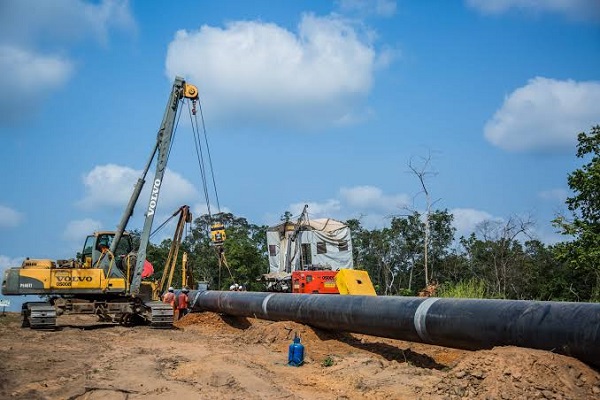
The NMDPRA chief said the revision would become increasingly important as projects such as the Ajaokuta-Kaduna-Kano pipeline expand the country’s gas transportation capacity.
He noted that clearer rules would help address technical and commercial challenges associated with transporting gas through shared infrastructure, including losses arising from differences in gas quality, measurement and handling.
Umar identified the shrinkage factor, which accounts for gas lost or consumed during transportation and processing, as one of the areas requiring effective regulation to protect operators and improve efficiency.
He warned that poor management of gas quality and transportation processes could increase costs and result in avoidable losses across the network.
“If your shrinkage factor is high, it’s like costs. If people are putting the wrong gas into the pipeline, it creates a problem that then leads to all kinds of avoidable losses,” he said.
According to him, the revised code would provide greater clarity on the responsibilities of shippers and transporters, helping to improve operational discipline and ensure that the country’s expanding gas infrastructure delivers greater value.
He stressed that open and fair access to pipelines was essential to increasing participation in the gas market and attracting investment.
“The pipelines deliver their full value only when access to them is open and fair,” Umar stated.
The NMDPRA chief also linked the revision to Nigeria’s ambition to deepen regional gas trade and develop interconnected pipeline networks across Africa.
He said Nigeria already participated in cross-border gas transportation through the West African Gas Pipeline, while proposed projects included the Trans-Saharan Gas Pipeline to Algeria and the Trans-African pipeline to Morocco.
Umar explained that differences in operating procedures between countries could complicate cross-border gas transportation, making common standards necessary for seamless gas flows.
“There is no way you will have gas crossing borders from one country to another if the rules of engagement are different,” he said.
He added that a common network code would help harmonise gas measurement, communication and custody-transfer procedures as supplies moved between countries.
READ ALSO:UBA becomes first Nigerian bank to enable Google pay for Visa, Mastercard users
The revision, he said, would provide a framework for improving coordination among operators and supporting the development of a broader regional gas market.
Umar said the completion of major pipeline projects would increase Nigeria’s gas transportation capacity from 2.2 billion cubic feet per day to 4.4 billion cubic feet per day.
The projects include the OB3 pipeline and the Ajaokuta-Kaduna-Kano pipeline, which he said was more than 80 per cent complete.
He explained that the additional capacity would improve the connection between gas supplies in southern Nigeria and demand centres in the North, including power plants, manufacturing facilities and other industrial users.
The expansion is expected to provide more opportunities for gas utilisation and investment across the country’s energy value chain.
Umar also disclosed that approximately three-fifths of the gas processed in September was consumed by the midstream and downstream sectors, including electricity generation, manufacturing and other industrial activities. A portion was exported to neighbouring countries through the West African Gas Pipeline.
He further noted that demand for cooking gas currently exceeded supply, describing the gap as an investment opportunity for businesses willing to expand local production and supporting infrastructure.
Despite the planned expansion of transportation capacity, Umar said Nigeria would require fresh investment in gas processing facilities, pipelines, fertiliser production, liquefied petroleum gas and flare gas commercialisation to unlock the sector’s potential.
He estimated that the oil and gas sector needed between $30bn and $50bn in new investment by 2030 to develop these opportunities.
The NMDPRA chief urged gas shippers, transporters and investors to take advantage of the revised network code and expanding infrastructure to increase participation in the domestic market and regional gas trade.
He said effective regulation, improved pipeline access and additional investment would be necessary to connect more gas supplies to consumers, reduce avoidable losses and support Nigeria’s broader energy and industrial development ambitions