By Seun Ibiyemi
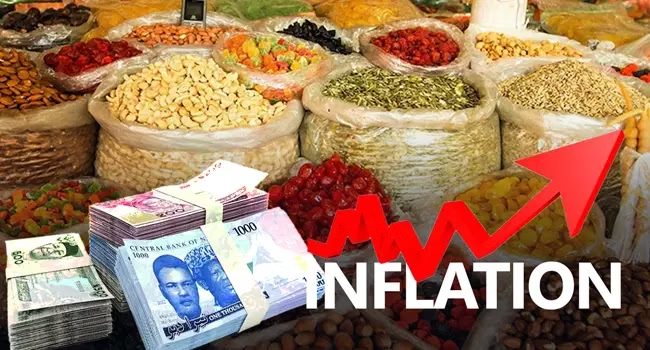
Nigeria’s headline inflation rate eased marginally to 15.39 per cent in August 2026 from 15.43 per cent in July, as food price pressures moderated during the month.
The National Bureau of Statistics (NBS) disclosed this in its Consumer Price Index (CPI) report for August 2026 released on Tuesday.
The latest inflation rate represents a 0.04 percentage point decline from the July figure and a significant drop from the 23.14 per cent recorded in August 2025.
The NBS also reported a sharper decline in month-on-month inflation, which fell to 0.71 per cent in August from 1.57 per cent in July.
According to the bureau, the figure indicates that the average price level continued to increase in August, but at a slower pace than in the previous month.
The Consumer Price Index, which measures changes in the prices of goods and services consumed by households, rose to 146.3 points in August from 145.3 points in July.
Food inflation also recorded a significant moderation, falling to 19.57 per cent year-on-year in August from 25.30 per cent in August 2025.
On a month-on-month basis, food inflation dropped to 1.02 per cent in August from 5.56 per cent in July.
The NBS attributed the moderation to changes in the prices of commodities including palm oil, carrots, pepper, onions, cassava flour, beef, yam flour, egusi, fresh fish and potatoes.
Despite the decline, food and non-alcoholic beverages remained the largest contributor to headline inflation, accounting for 6.16 percentage points.
Restaurants and accommodation services contributed 1.99 percentage points to the annual headline inflation rate, while transport contributed 1.64 percentage points.
Housing, water, electricity, gas and other fuels accounted for another 1.30 percentage points.
The figures indicate that essential household-related costs continued to make significant contributions to the overall inflation rate despite the broader moderation in price increases.
READ ALSO: Nigeria’s trade surplus hits ₦12.6trn as exports surge 28% in Q2
The NBS reported that urban inflation stood at 15.88 per cent year-on-year in August, compared with 14.23 per cent in rural areas.
However, urban month-on-month inflation fell sharply to 0.28 per cent in August from 1.90 per cent in July.
In contrast, rural month-on-month inflation increased to 1.79 per cent from 0.78 per cent recorded in July.
The average inflation rate for the 12 months ending August 2026 stood at 16.30 per cent, down from 28.32 per cent recorded in the corresponding period of 2025.
The latest data point to a continued moderation in the pace of price increases, although the annual inflation rate remains elevated, with food and other essential household expenditures continuing to account for a substantial share of the inflation burden.