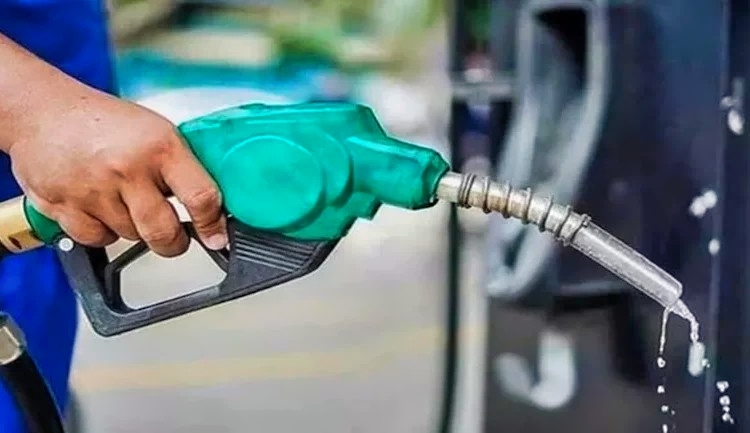
Nigerians spent an estimated N11.3tn on Premium Motor Spirit (PMS), popularly known as petrol, between January and July 2026, despite a significant decline in the volume consumed nationwide.
Data from the Nigerian Midstream and Downstream Petroleum Regulatory Authority (NMDPRA) showed that approximately 10.37 billion litres of petrol entered the domestic market during the seven-month period.
An analysis of monthly consumption figures and prevailing pump prices indicated that Nigerians spent more than N1tn on petrol every month between January and July.
The figures highlight the growing financial burden of higher petrol prices, with consumers spending more money despite purchasing less fuel.
Petrol sold at an average price of about N830 per litre in January and February before rising to N1,100 in March, N1,250 in April and N1,300 in May.
The average pump price later declined slightly to approximately N1,200 per litre in June and July.
January recorded the highest petrol consumption during the period, at about 1.87 billion litres, costing consumers approximately N1.55tn.
Consumption fell to 1.59 billion litres in February, while expenditure stood at roughly N1.32tn.
Despite declining consumption, rising pump prices pushed monthly spending higher from March. Nigerians spent approximately N1.61tn on 1.47 billion litres in March, while April expenditure rose to N1.92tn on 1.53 billion litres.
In May, consumers spent about N1.87tn on 1.44 billion litres, while June recorded expenditure of approximately N1.71tn on 1.42 billion litres.
July recorded the lowest consumption of the seven-month period, with about 1.11 billion litres consumed. However, Nigerians still spent approximately N1.33tn on petrol.
Petrol Demand Falls Sharply
The contraction in demand was particularly pronounced in July, when average daily petrol consumption fell to 35.7 million litres.
The figure represented a 24.7 per cent decline from the 47.4 million litres consumed daily in June and was 24.4 per cent below the 47.2 million litres recorded in July 2025.
According to the NMDPRA data, July petrol demand was 28.6 per cent below the 50 million litres per day benchmark and about 29.4 per cent below the 50.6 million litres daily average recorded during the 13-month period covered by the report.
The decline in petrol consumption contrasts with developments in other segments of the downstream petroleum market.
Diesel consumption reached 14.7 million litres per day in July, five per cent above its 14 million-litre benchmark.
Liquefied Petroleum Gas, commonly known as cooking gas, also exceeded its benchmark, with daily consumption reaching 4.4 kilotonnes, compared with a benchmark of 3.9 kilotonnes.
Aviation fuel recorded the sharpest shortfall among the products listed, with daily consumption of 1.7 million litres, representing a 43.3 per cent decline from its three-million-litre benchmark.
The latest figures have intensified debate over the consequences of petrol subsidy removal and the need for measures to cushion households and businesses from rising energy costs.
Energy experts and economists have supported targeted government intervention but warned against a return to the previous subsidy regime without adequate safeguards against abuse.
The Chief Executive Officer of Petroleumprice.ng, Olatide Jeremiah, said the prevailing petrol price was becoming increasingly difficult for many Nigerians to afford.
READ ALSO: Atiku challenges Presidency to explain reported $460,000 US forfeiture
He suggested that part of government revenue from crude oil could be channelled into interventions aimed at moderating petroleum product prices during periods of severe economic pressure.
Energy economist, Prof. Adeola Adenikinju, said a production subsidy would be preferable to a consumption subsidy but warned that vested interests could undermine such a policy.
Adenikinju also urged the Federal Government to strengthen mass transportation as part of efforts to reduce the impact of high fuel prices on households.
He expressed concern that the availability of compressed natural gas buses and supporting infrastructure remained insufficient to provide widespread relief from petrol dependency.
The latest NMDPRA figures therefore point to a growing imbalance in the downstream petroleum market: Nigerians are buying substantially less petrol, but their total spending remains exceptionally high because of elevated prices.