By Seun Ibiyemi
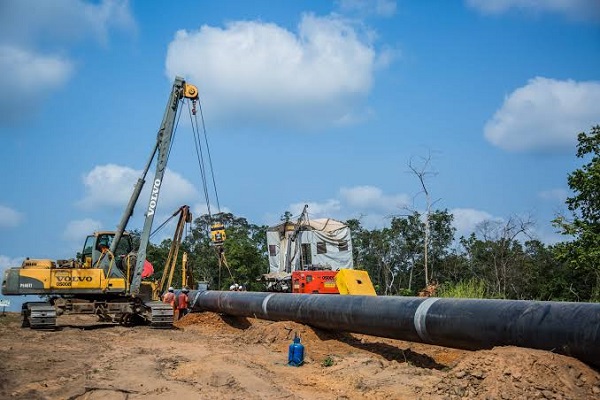
Nigeria is witnessing a strong return of international investors who previously exited the country in search of more favourable business environments, with improved oil production security, regulatory reforms and clearer investment terms helping to reposition the country as Africa’s leading destination for upstream investment.
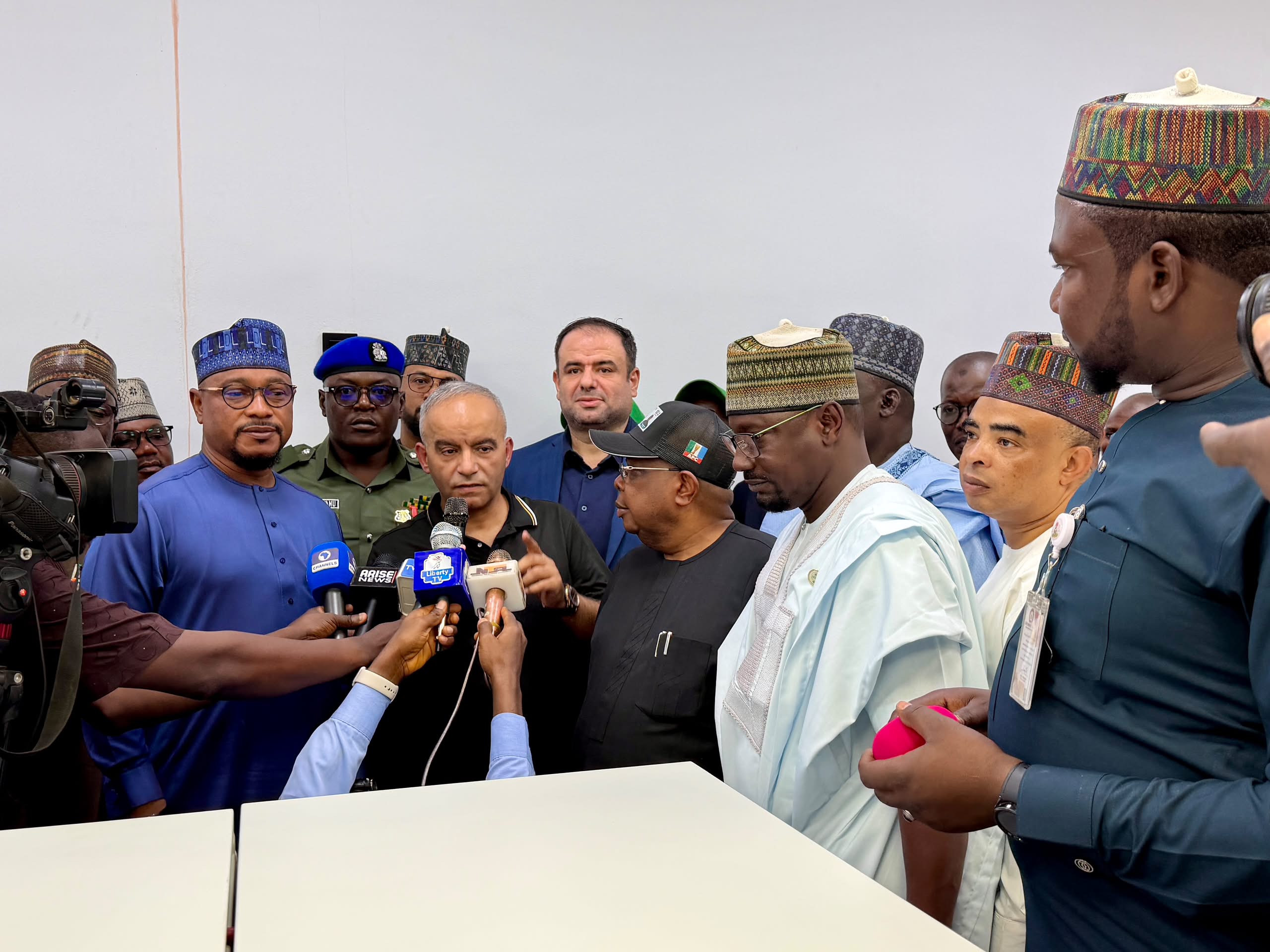
Vice President Kashim Shettima disclosed this on Tuesday in Abuja while representing President Bola Ahmed Tinubu at the fifth-anniversary celebration of the Nigerian Upstream Petroleum Regulatory Commission (NUPRC).
Shettima said stronger collaboration among security agencies, oil and gas operators, host communities and the regulator had helped stabilize crude oil production and restore investor confidence in Nigeria’s upstream sector.
According to the Federal Government, the turnaround has seen Nigeria rank as Africa’s number one destination for upstream investment for two consecutive years, signalling renewed confidence in the country’s petroleum investment climate.
The development comes as the Tinubu administration intensifies efforts to attract fresh capital into the oil and gas industry while reducing the economy’s dependence on crude oil revenues.
Representing the President, Shettima said the administration’s reforms were aimed at creating an investment environment capable of supporting long-term growth, job creation and economic diversification.
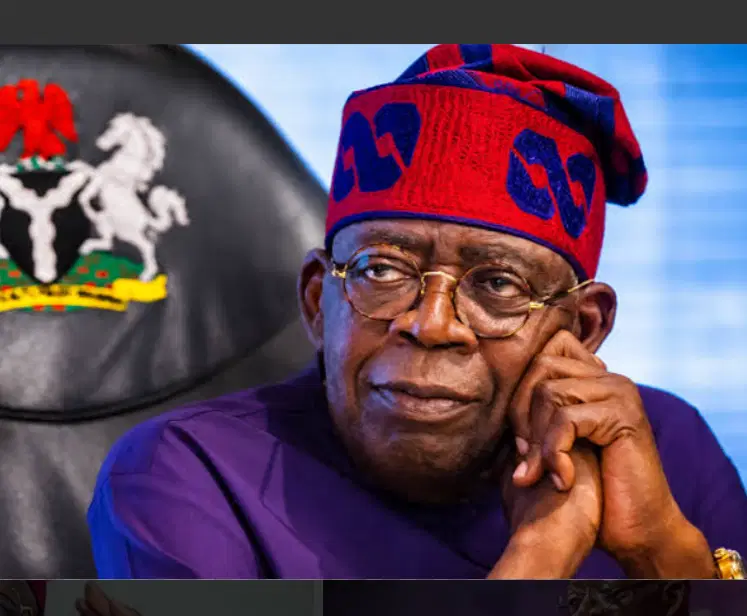
President Tinubu, in his address delivered at the occasion, said the gains recorded in the upstream sector were important beyond the oil and gas industry, stressing that petroleum resources would increasingly be used to support the development of other sectors of the Nigerian economy.
“These gains matter well beyond the oil and gas industry. Under the Renewed Hope Agenda, we are building a diversified economy in which agriculture, manufacturing, the digital and creative industries all play their part,” the President said.
Tinubu said Nigeria had already reduced its dependence on oil revenue and would continue along that path, while acknowledging the strategic role petroleum earnings still play in supporting foreign exchange availability, energy supply and government finances.
“We have already reduced our dependence on oil revenue, and we intend to go further. But a diversified economy still needs energy, foreign exchange and investment, and that is where this sector serves the nation,” he said.
According to him, Nigeria’s gas resources can power homes and industries, while petroleum earnings can support the stability of the naira and contribute to funding the Federation.
The President added that a well-managed upstream industry could create significant opportunities for Nigerian engineers, fabricators and indigenous oilfield service companies.
He said the government’s objective was to use petroleum resources as a catalyst for wider economic development rather than allowing the country to remain dependent on them.
A major component of the administration’s strategy is the newly introduced Deep Offshore Oil and Gas Projects Incentive Tax Order 2026, which Tinubu said was designed to provide greater certainty for investors in complex offshore projects.
He said the new fiscal framework had replaced uncertainty with clear and publicly available investment criteria and required projects to be executed in Nigeria wherever applicable.
According to the President, the incentive could unlock up to $50 billion in new investment, beginning with the Bonga South-West project.
“The message to the world is simple: Nigeria is open for long-term investment, and the terms are clear,” Tinubu declared.
The announcement comes at a time when the Federal Government is seeking to reverse years of declining investment in the upstream sector, particularly in deepwater developments where high project costs, regulatory uncertainty and lengthy contracting processes had constrained new investments.
Tinubu identified the Petroleum Industry Act (PIA) as a major foundation for the progress recorded in the sector, but stressed that legislation alone would not guarantee investment.
He said investors had complained about high operating costs, lengthy contracting processes and uncertainty surrounding fiscal terms for complex projects.
“A foundation is only the beginning. Laws set the rules, but investors decide on commercial terms,” he said.
The President described his administration as “a listening government,” noting that the government responded to investors’ concerns by introducing measures designed to improve the commercial environment.
“Investors told us plainly that good rules were not enough while costs remained high, contracting took too long and fiscal terms for complex projects were uncertain. We listened, and we acted,” he said.
Tinubu charged NUPRC with ensuring that government policies translate into actual investment and production outcomes, describing the Commission as the “bridge between government policy and investment on the ground.”
He tasked the regulator with maintaining transparent processes, reliable timelines and effective coordination with other government agencies to eliminate overlapping requirements confronting investors.
The President also demanded greater accountability from both operators and the regulator.
He said oil companies benefiting from government incentives must meet their obligations on work programmes, local content, environmental protection and host-community development.
“Operators who enjoy incentives must deliver on their commitments to work programmes, local content, the environment and host communities, and the Commission must also account publicly for its own performance,” Tinubu said.
He further pledged that the government would uphold the rule of law and sanctity of contracts to reduce disputes and ensure that disagreements, when they occur, are resolved quickly and fairly.
READ ALSO: NUPRC opens 2026 oil licensing round, offers 40 blocks to investors
The President also reaffirmed his administration’s commitment to expanding Nigeria’s gas industry, declaring that “this is the decade of Gas.”
With Nigeria possessing Africa’s largest gas reserves, Tinubu said the government would prioritize increased gas supply for electricity generation, industrial production and clean cooking.
He also pledged to reduce gas flaring and methane emissions while expanding renewable energy.
“Energy transition must be just and suited to Nigeria’s needs,” the President said, stressing that Nigeria would meet its climate obligations without compromising economic development and energy access.
Tinubu said the government would continue working to position Nigeria as the preferred destination for hydrocarbon investment while ensuring greater compliance, transparency and accountability across the sector.
While acknowledging that five years remained a relatively short period in the life of an institution, Tinubu commended NUPRC for its performance since its establishment.
He urged the Commission to approach its next five years with the same commitment, integrity and sense of purpose.
The President’s remarks underline the administration’s broader objective of transforming Nigeria’s upstream petroleum industry from a source of government revenue into a major platform for investment, industrialization, employment creation and economic diversification.
With renewed crude production, improved investor confidence and new fiscal incentives targeted at deepwater projects, the Federal Government is positioning the oil and gas sector as a key driver of Nigeria’s next phase of economic growth.