By Seun Ibiyemi
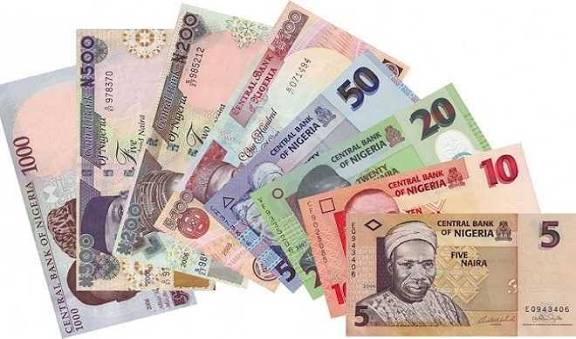
The naira, recorded a relatively stable performance at the start of trading on Monday, maintaining its position against major global currencies despite ongoing market pressures.
At the official Nigerian Foreign Exchange Market (NFEM), the naira traded at approximately ₦1,356.74 to the United States dollar, reflecting a steady trend seen in recent sessions.
Data from the market indicated that the local currency has continued to hover within a narrow band, supported by recent policy measures and improved liquidity conditions introduced by the Central Bank of Nigeria (CBN).

In the parallel market, however, the naira traded at a slightly weaker range of between ₦1,390 and ₦1,430 per dollar, depending on transaction volumes and location, highlighting a persistent gap between official and informal market rates.
Analysts say the relative stability reflects ongoing reforms such as enhanced price discovery mechanisms and improved access to foreign exchange, which have helped moderate volatility in recent weeks.
Despite the stable outlook, market indicators show mild pressure on the currency. The USD/NGN rate edged higher to about ₦1,377 in broader market tracking, suggesting slight depreciation compared to previous sessions.
Experts note that demand for foreign exchange, inflationary pressures, and global economic uncertainties remain key factors influencing the naira’s performance.
Read also:Dangote warns Middle East crisis could trigger inflation
Over the past week, the currency has traded within a relatively tight range, signalling improved confidence and reduced speculative activity in the foreign exchange market.
Economic observers say the near-term outlook for the naira will depend largely on sustained foreign inflows, oil revenue performance, and continued monetary policy interventions aimed at stabilising the market.
The naira’s performance remains a critical indicator of Nigeria’s economic health, with direct implications for import costs, inflation, and overall business activity.