By Seun Ibiyemi
Even as Nigeria’s food inflation rate eased sharply in February, millions of households continue to face acute hunger and food insecurity, a stark reminder that headline price data does not always reflect the daily struggles of ordinary Nigerians.
According to the latest figures from the National Bureau of Statistics (NBS), food inflation dropped to 12.12 per cent year-on-year in February 2026, down from 26.98 per cent in February 2025, a decrease of nearly 14.86 percentage points.
Yet the cost of food on a monthly basis still rose by 4.69 per cent, compared with a -6.02 per cent change in January, underscoring persistent pressure on household budgets.
Despite the moderation in headline figures, food insecurity remains widespread.
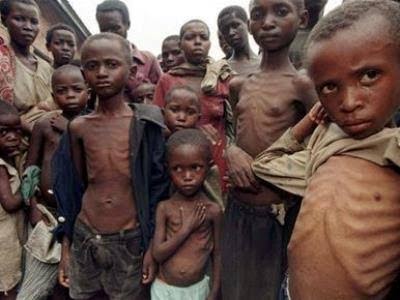
According to the latest United Nations-backed Cadre Harmonisé analysis, an estimated 27.2 million Nigerians were facing hunger in late 2025, and this figure could climb to 34.7 million by the peak of the 2026 lean season (June–August) without urgent action.
Nigeria also ranks among countries with severe hunger challenges, with warnings from humanitarian agencies that 33–35 million people may experience severe food insecurity by 2026 due to economic hardship, conflict, and climate shocks.
Read also:Inflation rate eases slightly to 15.06% in February
Children and vulnerable groups remain particularly affected. In regions such as northern Nigeria, millions of children and women are at heightened risk of acute malnutrition, with projections indicating that 5.4 million children and nearly 800,000 pregnant or breastfeeding women could face life-threatening nutrition shortfalls without intervention.
Regional disparities further compound the crisis. States like Kogi, Adamawa, and Benue recorded some of the highest local food price inflation, while food prices in Bayelsa and Ebonyi continued to surge monthly, a pattern that reflects deeper structural and distribution challenges across Nigeria’s food system.
Experts say that while the decline in headline food inflation is encouraging, it fails to capture the breadth of food insecurity and the poverty that leaves households vulnerable to even modest price increases.
They warn that without targeted social safety nets, investment in agriculture, and improved supply chains, the benefits of lower inflation will not translate into meaningful relief for millions of Nigerians struggling to put food on the table.
The gap between statistical improvement and lived hardship highlights the need for policies that go beyond macroeconomic indicators and prioritise food access, affordability, and nutritional security for all Nigerians.