By Seun Ibiyemi
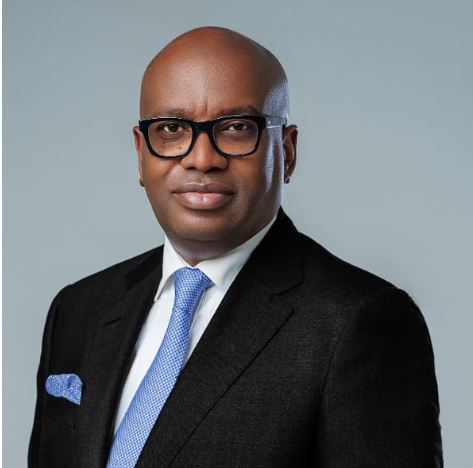
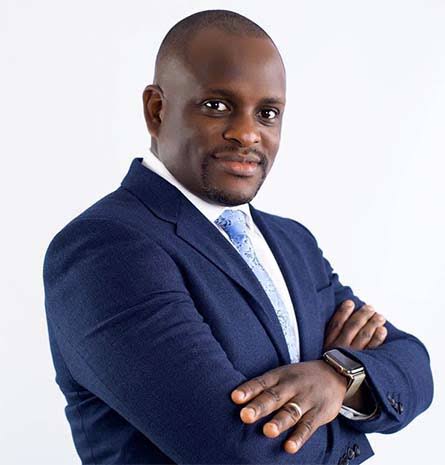
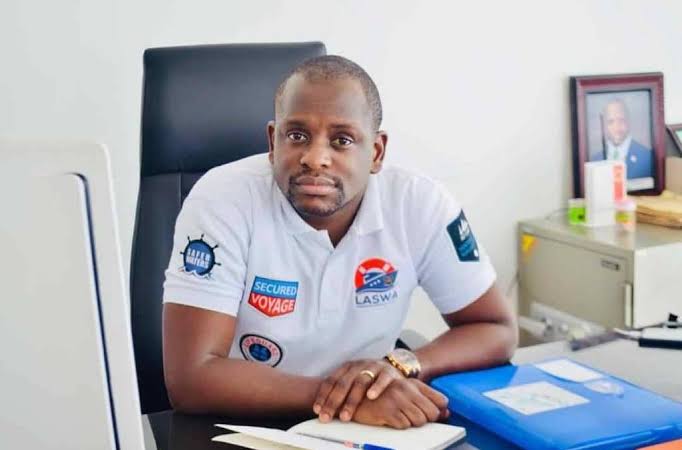
The transformation of water transportation in Lagos is increasingly tied to the leadership approach of Oluwadamilola Emmanuel, whose tenure as General Manager of the Lagos State Waterways Authority (LASWA) reflects a shift from regulatory inertia to proactive system-building.
At the core of Emmanuel’s strategy is a deliberate repositioning of waterways as a mainstream mobility option rather than a peripheral alternative.
This policy direction aligns with Lagos’ broader need to decongest its overstretched road network and diversify urban transport systems.
Safety as the Foundation of Reform
One of Emmanuel’s most defining interventions has been the elevation of safety standards.
Historically, safety concerns including poor vessel conditions and non-compliance with life jacket rules undermined public confidence in water transport.
Under his leadership, LASWA has intensified enforcement through stricter inspections, compulsory safety gear compliance, and continuous operator engagement.
This has contributed to a noticeable decline in reported accidents and an increase in commuter trust an essential metric for modal shift in urban transport.
Infrastructure and System Modernisation
Emmanuel’s administration has also prioritised infrastructure upgrades, particularly the rehabilitation and development of jetties and terminals.
By improving boarding systems and passenger facilities, LASWA is gradually formalising what was once a fragmented and largely informal transport segment.
In parallel, the agency’s push for standardised, modern vessels supported by private sector collaboration signals a transition toward a more regulated and commercially viable ecosystem.
A critical feature of Emmanuel’s approach is the integration of private operators into a structured framework. Rather than displacing existing players, LASWA has adopted a partnership model that encourages compliance while unlocking investment.
This has led to increased fleet capacity, better vessel quality, and improved service reliability. It also positions the waterways as an emerging investment destination within Lagos’ transport value chain.
Another notable shift is the gradual introduction of technology into waterway management. From digital monitoring systems to improved data collection on passenger flow and safety compliance, LASWA is building the foundation for smarter, evidence-based decision-making.
While still evolving, this approach reflects a long-term vision of integrating Lagos waterways into a modern, intelligent transport network.
Read also:Insecurity: Tinubu seeks stronger state collaboration, foreign backing
Key Achievements Under Emmanuel
Analysts point to several tangible outcomes that underscore Emmanuel’s impact:
Improved safety compliance rates, particularly in life jacket usage and vessel certification
Reduction in waterway incidents, boosting public confidence in ferry services
Upgraded and newly developed jetties, enhancing passenger experience and operational efficiency
Expansion of licensed operators and vessels, increasing capacity on key routes
Strengthened regulatory enforcement, bringing more structure to the sector
Enhanced stakeholder collaboration, reducing friction between regulators and operators
These gains, while incremental, indicate a steady institutional strengthening of LASWA and a more coordinated waterways ecosystem.
Perhaps Emmanuel’s most significant contribution is intangible, the gradual shift in perception. Water transport in Lagos is no longer viewed solely as an informal or risky option but as a growing component of the city’s multimodal transport strategy.
This narrative change is critical for long-term adoption, as public perception often determines the success of transport reforms as much as infrastructure does.
Despite the progress, challenges remain, including funding constraints, enforcement consistency, and the need for deeper integration with other transport modes.
However, Emmanuel’s reforms have laid a foundation that could support scalable growth.
If sustained, the current trajectory suggests that Lagos waterways may evolve into a major urban transit artery offering not just mobility relief, but also economic opportunities tied to trade, tourism, and waterfront development.